


Material Selection in Customized Lens Production
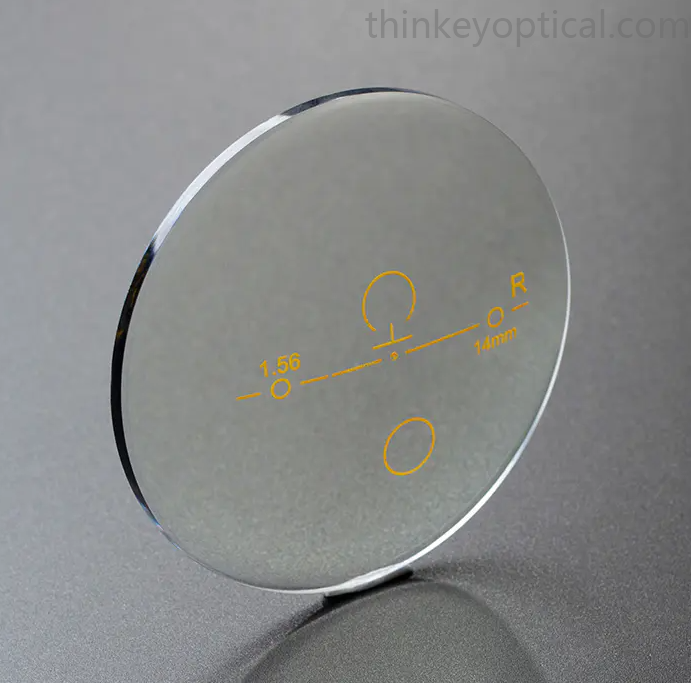
Customized eyewear depends on accurate optical design, suitable materials, controlled processing, and reliable quality inspection. In this environment, Prescription Lenses require manufacturers to coordinate multiple technical stages while maintaining consistent product standards. For international buyers, understanding the manufacturing process can make supplier evaluation more practical and provide a clearer basis for developing optical products for different markets.
Material selection is one of the first considerations in optical production. Resin-based substrates are widely used because they can support different lens geometries and processing methods. Other materials may be selected for specific applications according to optical requirements, design considerations, and manufacturing conditions. The substrate must remain compatible with forming, polishing, coating, edging, and handling procedures throughout production.
Lens geometry is central to customized optical manufacturing. Different optical designs require controlled surface profiles and accurate positioning. During production, the lens may pass through several stages that gradually transform the raw material into a finished optical product. Maintaining dimensional consistency through these stages helps manufacturers reduce variation and supports better coordination with the intended frame structure.
Digital technology plays an increasingly important role in optical production. Computer-assisted design systems can translate optical information into manufacturing instructions, allowing production teams to work with detailed digital specifications. Automated and computer-controlled equipment can then support repeatable processing. Accurate digital data transfer is important because errors introduced during information exchange may affect subsequent manufacturing stages.
Surface preparation and polishing require careful control. Optical surfaces should remain consistent and free from unnecessary processing marks before subsequent treatments are applied. Production environments therefore need suitable handling procedures and inspection checkpoints. Clean working conditions can help reduce the risk of contamination, while controlled polishing processes support consistent surface quality.
Coating technology adds another stage to the production workflow. Depending on the intended product, lenses may receive treatments for reflection management, surface protection, easier cleaning, or other functions. Coatings need to be compatible with the substrate and applied under controlled conditions. Surface preparation, application, curing, and final inspection can all influence the consistency of the finished treatment.
Quality control should operate throughout production rather than being limited to the final stage. Incoming materials can be checked for consistency, while intermediate inspections can monitor forming, polishing, and coating. Finished products may then be evaluated for dimensions, surface condition, appearance, coating integrity, and other agreed requirements. Documented inspection procedures provide useful information when production variations need to be investigated.
Frame compatibility is another important consideration. Lens dimensions and edge profiles need to correspond with the intended frame design. Accurate edging helps support efficient assembly, while appropriate product marking can help ensure that different specifications are correctly identified. Manufacturers handling multiple optical designs should maintain clear product tracking systems to reduce the possibility of mixing products during processing or packaging.
Communication between manufacturers and buyers is equally important. Customized optical products often involve detailed specifications, sample approvals, coatings, packaging, labeling, and frame information. Written documentation helps ensure that all teams understand the same requirements before production begins. When changes are necessary, confirming them clearly can reduce unnecessary rework and prevent misunderstandings.
Packaging and transportation should also be considered during product planning. Finished optical surfaces can be vulnerable to scratches, dust, pressure, and unsuitable handling. Protective packaging should match the characteristics of the product and the expected transportation conditions. Clear labels and organized packing records can further support efficient warehouse management after delivery.
For businesses developing customized optical products, long-term consistency is more important than evaluating a single sample in isolation. Buyers can review material control, production procedures, inspection systems, technical communication, packaging, and repeat-order management when assessing potential manufacturing relationships. A structured approach allows businesses to establish clearer expectations before larger production programs begin.
The development of Prescription Lenses continues to benefit from advances in optical materials, digital manufacturing, surface engineering, and quality management. Thinkey Optical Co.,Ltd provides optical product and manufacturing information through https://www.thinkeyoptical.com, offering international businesses a reference when researching customized lens production and developing future eyewear programs.

 English
 Arabic
 French
 Spanish
 Deutsch
 Turkish
 Dutch
Dutch
 Italiano
 Russian
 Romaian
 Portuguese (Brazil)
 Greek
Greek
 Bengali