


Choosing an Umbrella for Patio and Garden Spaces
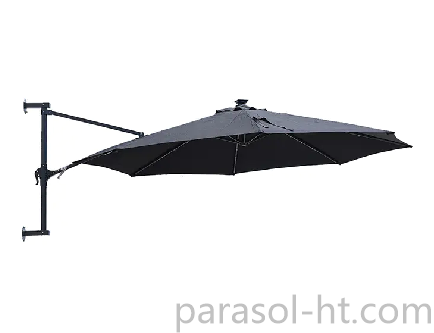
Outdoor spaces often need flexible shade solutions that can adapt to different seating arrangements, activities, and environmental conditions. An Outdoor Tent Umbrella can combine the open character of an umbrella with broader coverage for patios, gardens, hospitality areas, and other leisure environments. Selecting a suitable structure requires consideration of the canopy, frame, support system, operating method, and intended application.
The first consideration should be the space where the umbrella will be installed. Residential patios may require a compact structure for a table or small seating area, while restaurants, hotels, resorts, and recreational facilities may need larger coverage or multiple units. Measuring the available area before selecting the product can help determine an appropriate canopy size without creating unnecessary obstacles around furniture and walkways.
Canopy shape can influence how effectively the available space is used. Round designs can work well with individual tables, while square and rectangular canopies may suit larger seating arrangements. The shape should be considered together with the position of tables, chairs, entrances, pathways, and nearby structures. A well-planned arrangement can provide useful shade while keeping circulation areas accessible.
Fabric selection is another important part of the product configuration. Outdoor canopy fabrics can differ in weight, texture, flexibility, color options, and resistance to environmental exposure. The material should be selected according to the intended application and expected maintenance conditions. For commercial projects, buyers may also consider whether replacement fabric or coordinated colors are available for future maintenance or expansion.
Frame construction affects both appearance and practical operation. Aluminum can be considered when relatively low weight and corrosion resistance are useful, while steel can provide a heavier structural option for certain designs. The frame should be evaluated as part of the complete umbrella system because canopy dimensions, pole structure, joints, and base requirements all influence overall performance.
The support system is particularly important for larger umbrellas. A canopy needs a suitable base or anchoring arrangement according to its dimensions and installation environment. Freestanding bases may be appropriate for some patios, while fixed support systems can be considered for applications where the umbrella remains in a defined position. Buyers should follow installation instructions and select support components compatible with the umbrella configuration.
Operating mechanisms can also affect daily usability. Push-open designs may be suitable for straightforward applications, while crank mechanisms can simplify operation for certain larger canopies. Tilt functions may provide additional flexibility when users need to adjust the canopy according to changing sunlight. The operating system should match the expected frequency of opening and closing and the size of the canopy.
Environmental conditions should be considered before installation. Outdoor umbrellas may be exposed to sunlight, moisture, dust, and changing weather conditions. The product should be used within its intended operating conditions, and appropriate closing, securing, or storage procedures should be followed when conditions become unsuitable. Proper use can help reduce unnecessary stress on the fabric, frame, and mechanical components.
Appearance can be important for commercial outdoor areas. Restaurants, hotels, resorts, and other hospitality spaces often use umbrellas as visible elements within their overall outdoor design. Canopy color, frame finish, shape, and proportions can be coordinated with furniture, flooring, landscaping, and architectural features. Consistent specifications can also help create a unified appearance when multiple umbrellas are installed across one property.
Maintenance should be considered throughout the product lifecycle. Fabric surfaces can collect dust, leaves, and other debris, while mechanical components may require periodic inspection. Cleaning should follow the recommended care procedures for the selected materials. Fasteners, joints, opening mechanisms, and structural connections can also be checked regularly, particularly in locations where umbrellas are opened and closed frequently.
For buyers sourcing an Outdoor Tent Umbrella, customization can provide greater flexibility when standard configurations do not match a specific project. Depending on the manufacturer, customization may include canopy dimensions, fabric colors, frame finishes, operating mechanisms, side arrangements, or base configurations. Providing accurate information about the installation space and intended use can help manufacturers develop an appropriate product specification.
For wholesale and commercial purchasing, supplier evaluation should also consider manufacturing consistency, material control, production capacity, packaging, and communication. Projects involving multiple units may require consistent dimensions, fabrics, colors, and structural components. Confirming these specifications before production can help reduce differences between individual products and support a more coordinated installation.
An outdoor umbrella should ultimately be selected according to the actual requirements of the space rather than appearance alone. Canopy coverage, fabric, frame construction, support, operation, maintenance, and environmental conditions all contribute to suitability. Buyers seeking outdoor umbrella and shade solutions can review available product options and application information at https://www.parasol-ht.com/.

 English
 Arabic
 French
 Spanish
 Portuguese
 Turkish
 Dutch
Dutch
 Italiano
 Russian
 Romaian
 Portuguese (Brazil)
 Greek
Greek
 Bengali