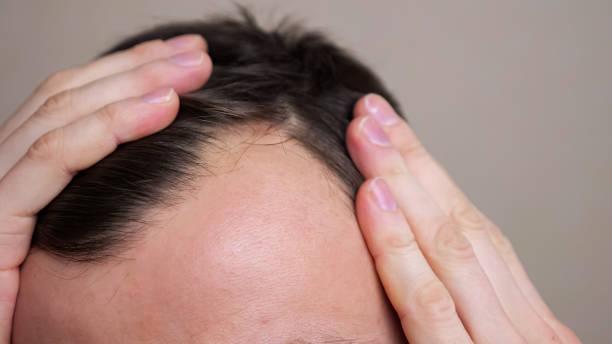
Hair thinning can affect confidence, appearance, and everyday comfort, especially when it develops gradually. People exploring regenerative approaches may consider prp in riyadh because it uses the patient’s own blood components rather than relying on an implanted material. The treatment is designed to support existing hair follicles and may be considered for certain types of hair loss after a proper evaluation.
What makes PRP particularly distinct is its biological approach. PRP Hair Treatment in Riyadh involves collecting a small blood sample, processing it to concentrate platelets, and applying the resulting platelet-rich plasma to selected scalp areas. Platelets contain growth factors and signaling proteins that may help support the local environment around hair follicles. The response, however, can differ from one person to another.
What Is PRP Hair Treatment?
PRP stands for platelet-rich plasma. It is prepared from a person's own blood through a process that separates and concentrates platelets from other blood components. The prepared plasma is then administered into areas of the scalp affected by thinning.
Rather than physically replacing lost hair, PRP focuses on supporting follicles that are still present. This makes it different from hair transplantation, where follicles are surgically moved from one area of the scalp to another.
How Is PRP Different From Conventional Hair Treatments?
One notable difference is that PRP uses the patient's own blood-derived plasma. This approach provides a concentrated source of naturally occurring platelets and their associated growth factors.
Conventional hair-loss treatments may work through different mechanisms, including influencing hormonal pathways or directly supporting the hair-growth cycle. PRP takes a regenerative approach by introducing concentrated platelets into targeted scalp areas.
The most appropriate option depends on the cause and pattern of hair loss, the condition of the follicles, medical history, and treatment goals.
The Role of Growth Factors
Platelets contain a variety of biologically active substances that participate in tissue repair and signaling. When PRP is introduced into the scalp, these substances may influence the surrounding tissue and follicular environment.
Research has investigated PRP for conditions such as androgenetic alopecia, with studies reporting varying degrees of improvement. Because treatment protocols and patient characteristics differ, PRP should not be viewed as a guaranteed method of restoring hair.
A Treatment That Uses Your Own Blood
Another feature that distinguishes PRP is its autologous nature. The plasma is derived from the patient's own blood, which means the treatment does not involve introducing donor tissue or transplanted hair follicles.
A small amount of blood is typically collected and processed before the platelet-rich portion is prepared. The clinician then administers it into selected areas of the scalp using an appropriate injection technique.
Personalized Treatment Planning
Hair loss does not have one universal cause, so a personalized assessment is important. Pattern hair loss, temporary shedding, nutritional deficiencies, hormonal changes, scalp conditions, stress, and certain medications can all contribute to hair thinning.
Before considering PRP, a clinician may evaluate the scalp, hair-loss pattern, medical history, and other relevant factors. This helps determine whether PRP is appropriate or whether another treatment or additional investigation may be needed.
What Can Make the Treatment Experience Different?
The overall PRP experience can vary according to the preparation method, injection technique, treatment protocol, scalp condition, and individual response. Clinics may also differ in how they assess patients and develop treatment plans.
The quality of consultation and follow-up is therefore an important part of the overall treatment process. A suitable plan should take the patient's current hair condition and realistic goals into account rather than applying the same approach to everyone.
PRP for Different Types of Hair Loss
PRP is most commonly discussed in relation to certain forms of pattern hair loss, particularly when functioning follicles remain. It may also be investigated for other forms of hair thinning, but suitability depends on the underlying diagnosis.
If hair loss is caused by an autoimmune condition, significant nutritional deficiency, active scalp disease, or another medical issue, addressing that underlying problem may be more important than proceeding directly with PRP.
What Results Should You Expect?
PRP does not provide immediate results. Hair follicles follow natural growth cycles, so any changes generally develop gradually. Some people may notice improvements in hair thickness or reduced shedding, while others may experience a more limited response.
The extent of improvement can depend on the cause and duration of hair loss, follicle condition, age, genetics, overall health, and treatment protocol. PRP cannot reliably restore follicles that have been permanently lost.
Is PRP a Hair Transplant Alternative?
PRP and hair transplantation serve different purposes. A transplant involves moving hair follicles from one part of the scalp to another, while PRP is intended to support existing follicles.
For some patients, these approaches may be considered at different stages of a broader hair-restoration plan. A qualified clinician can determine which options are appropriate based on the individual's pattern and extent of hair loss.
Why Choose a Professional Evaluation?
A professional assessment can help distinguish pattern hair loss from other causes of thinning. It can also help establish realistic expectations before treatment begins.
If PRP is considered appropriate, the treatment plan can be tailored according to the patient's scalp condition, affected areas, and response over time. Follow-up may also help determine whether additional sessions or another approach should be considered.
Book Your Appointment at Royal Clinic Saudia
If you are considering PRP for hair thinning, a consultation can help you understand whether the treatment is suitable for your specific condition. Royal Clinic Saudia can evaluate your hair and scalp concerns and discuss an individualized treatment approach based on your needs.
FAQs:
What is the main difference between PRP and a hair transplant?
PRP is designed to support existing follicles, while a hair transplant surgically moves follicles from one scalp area to another.
Does PRP work for every type of hair loss?
No. Its suitability depends on the underlying cause of hair loss and whether viable follicles remain.
Is PRP made from my own blood?
Yes. PRP is prepared from a small blood sample taken from the patient.
Can PRP guarantee hair regrowth?
No. Individual responses vary, and PRP cannot guarantee complete or permanent hair restoration.



 English
 Arabic
 Spanish
 Portuguese
 Deutsch
 Turkish
 Dutch
Dutch
 Italiano
 Russian
 Romaian
 Portuguese (Brazil)
 Greek
Greek
 Bengali