


What Vape Shop Owners Wish Brands Knew
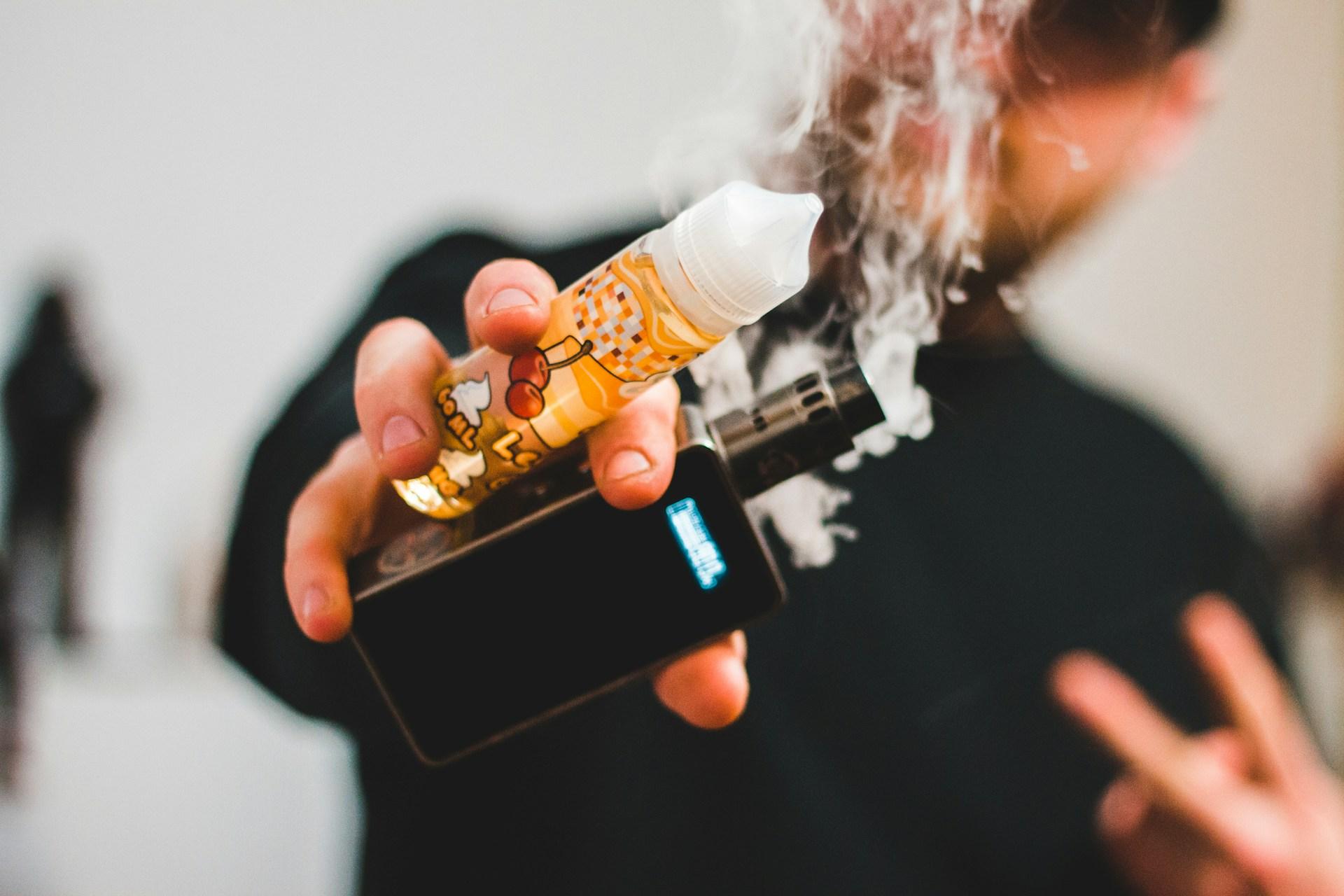
Brands design vape packaging in offices and approve it on screens. Shop owners live with it every day. They stock it, display it, explain it to customers, restock it, and deal with whatever goes wrong. That gap in perspective explains a lot of packaging that looks impressive in a presentation and performs poorly behind a counter.
The people selling your product have practical opinions about custom vape boxes, and those opinions rarely reach the brands making them. This article looks at packaging from the retail side: what makes a product easy to stock and sell, what creates friction, and what quietly determines whether a shop reorders.
Retailers Judge Packaging on Speed First
Behind a counter, time matters constantly. Customers wait, queues build, and staff move between stock room and display many times a day.
A product that takes longer to handle gets handled less enthusiastically. This sounds petty until you consider that most vape shops carry dozens of competing brands, and staff recommendations carry real weight with undecided customers.
What speeds things up:
-
Products that can be identified from the top or side, not just the front
-
Consistent box dimensions across a range, so shelves stay tidy
-
Clear variant labeling that doesn't require reading small print
-
Packaging that stays upright rather than sliding or toppling
What slows things down: Ranges where every variant looks nearly identical. Staff pull the wrong one, customers return, and the shop associates your brand with hassle.
Display Case Real Estate Is Contested
Most vape shops keep products in glass cases where customers can see but not touch. Space is limited and allocated by what sells.
This changes what packaging needs to do. A customer often can't pick up your box, which means the front panel has to work at a distance, through glass, under artificial lighting.
Disposable Vape Packaging uses strong colors, bold typography, and clear product information to grab attention, and some brands differentiate through distinctive box shapes, textured finishes, or foil accents. Behind glass, contrast matters more than detail. A subtle design that rewards close inspection is wasted when nobody can get close.
What retailers notice:
-
Whether a product reads clearly from two or three feet away
-
Whether flavors are visually distinct enough to point at
-
Whether the box holds its shape when stacked or leaned
-
Whether finishes reflect case lighting in a distracting way
One market check: Confirm disposable products are permitted in each market you supply, since some regions restrict them.
Compliance Problems Land on the Retailer
This is the concern shop owners raise most and brands underestimate most.
If packaging doesn't meet local requirements, the retailer carries risk. They may face inspection, fines, or forced removal of stock. A brand that creates that exposure once rarely gets a second order.
THC Vape Boxes can include child-resistant closures, tamper-evident seals, and dedicated space for warnings, dosage details, batch numbers, and testing information, in sizes for cartridges, disposable pens, and concentrate containers. From a retailer's view, the useful thing is documentation. They want to know a claim can be substantiated if someone asks.
Practical realities:
-
Packaging alone doesn't guarantee compliance; child-resistant features generally need recognized testing
-
Rules differ between countries, states, and product categories, and they change
-
Confirm current requirements for every market you supply
-
Ask your supplier for documentation on child-resistant certification and keep it accessible
On design: Many regulators restrict packaging that could appeal to minors, including cartoon characters or imagery resembling candy and snacks. Retailers are often more sensitive to this than brands, because they're the ones an inspector talks to. Keeping designs clearly adult-oriented protects the shop as well as you.
Breakage Costs the Shop Too
When a cartridge arrives cracked, the retailer absorbs the disruption: unsellable stock, a claim to file, a gap on the shelf, and sometimes a disappointed customer who bought it before the crack was noticed.
Cartridges are thin and delicate, facing drops, vibration, and pressure from stacked parcels during shipping. Even a small crack can cause leaks or make the product unusable.
Vape Cartridge Boxes use custom foam inserts or die-cut slots holding each cartridge firmly so it can't slide or rattle. They come in sizes fitting different cartridge lengths and diameters, and their compact shape suits retail displays, sample packs, and subscription boxes where space is tight. Multi-cartridge versions hold several units in separate slots, useful for variety packs.
What retailers appreciate:
-
Inserts shaped around exact cartridge dimensions
-
Outer cartons marked as fragile for warehouse and carrier handling
-
Compact boxes that reduce movement and shipping costs
-
Evidence the brand has done drop and shake testing
Kits Create Counter Problems
Multi-component kits are good sellers but awkward to handle in a shop. Customers ask what's included. Staff sometimes open boxes to check. Returns arrive with components missing.
Vape Pen Boxes use custom inserts giving every component its own secure spot, in sizes fitting different pen styles and kit setups, with room for branding, usage instructions, charging guidance, and compliance information. A layered design, with the pen on top and accessories in a lower tray, keeps everything organized.
The detail retailers value most is a simple contents list or diagram printed on the box. It answers customer questions without opening anything and makes return inspections quick.
Practical points:
-
Design inserts that fit each component closely
-
Use separate compartments so metal and glass parts don't rub together
-
Print clear charging and safety instructions
-
Make the contents visible or listed so staff never need to open stock
Liquid Products Bring Their Own Headaches
A leaking bottle in a case is a genuine problem: it can damage neighboring stock, create a mess in a display customers are watching, and leave a lingering smell.
E Liquid Boxes use inserts or dividers keeping bottles upright and separated during transit, reducing breakage and spills, while sturdy construction protects against impact. Opaque board also shields liquids from light, which can affect some formulas over time.
E Liquid Vape Boxes come in sizes suiting different bottle shapes and volumes, with space for branding, nicotine warnings, ingredient lists, and flavor descriptions.
Worth knowing: The bottle cap and seal do most of the work preventing leaks. Packaging is a second layer, so confirm bottles have secure, child-resistant caps where required, and consider a sealed inner bag for multi-bottle orders.
What Makes a Shop Reorder
Ask retailers what keeps a brand on their shelves and the answers are consistent and practical:
-
It sells, and customers ask for it by name
-
Stock arrives intact and on time
-
Variants are easy to tell apart at speed
-
Compliance documentation exists and is easy to get
-
Boxes stack neatly and don't waste case space
-
Nothing about it creates extra work
Notice how little of that is about aesthetics. Design gets a product considered; operational reliability keeps it stocked.
How to Get This Feedback Yourself
You don't need a research budget. You need to visit shops.
Do this:
-
Visit three retailers carrying your products and watch how they're displayed
-
Ask staff directly what's awkward about your packaging
-
Photograph your products in a real case, two weeks after delivery
-
Ask which competitor's packaging they find easiest to handle, and why
-
Ask whether they've ever had a compliance question about your boxes
Shop owners are usually happy to tell you. Most brands never ask.
A Retail-Readiness Checklist
-
Can staff identify the exact variant in under three seconds?
-
Does the front panel read clearly through glass from three feet?
-
Do boxes hold their shape and stack without sliding?
-
Is compliance documentation available if a retailer asks?
-
Do kits list contents without needing to be opened?
-
Have you tested packaging through real shipping to a retail address?
-
Does anything about your packaging create extra work for the shop?
Conclusion
Retailers see packaging in ways brands rarely do. Disposable Vape Packaging has to work through glass at a distance, THC Vape Boxes need documentation the shop can point to, Vape Cartridge Boxes prevent breakage that costs retailers as much as brands, Vape Pen Boxes reduce counter friction when contents are clearly listed, and E Liquid Boxes prevent leaks that disrupt a whole display. When you design with the counter in mind and verify requirements in every market you supply, you become a brand shops want to keep stocking.

 English
 Arabic
 French
 Spanish
 Portuguese
 Deutsch
 Turkish
 Dutch
Dutch
 Russian
 Romaian
 Portuguese (Brazil)
 Greek
Greek
 Bengali