


How Peptides Skin Care Products Are Changing Modern Daily Routines
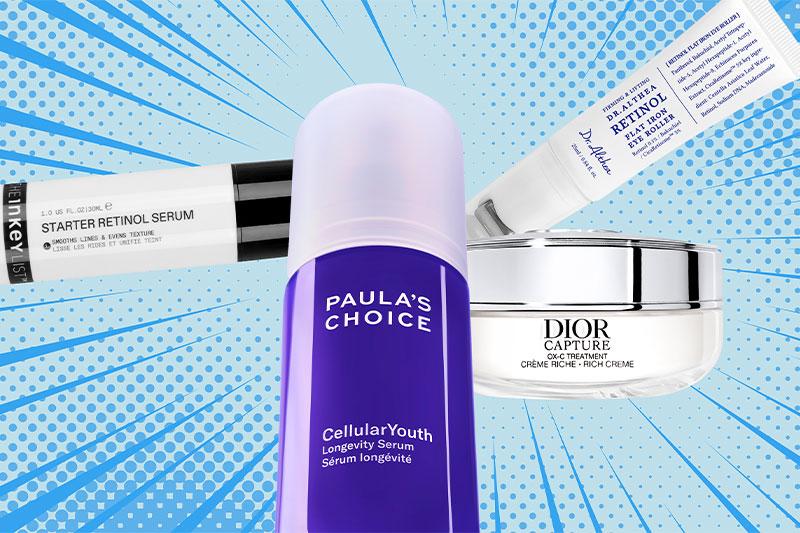
Skincare routines have become more focused on ingredients that support the skin rather than simply covering visible imperfections. Among the ingredients receiving growing attention are peptides. These small chains of amino acids are used in many modern formulas designed to support smoother, firmer, and healthier-looking skin. As interest in ingredient-focused beauty continues to grow, peptides skin care products have become a popular choice for people looking to add targeted care to their daily routines.
What Are Peptides in Skin Care?
Peptides are short chains of amino acids that can play different roles in biological processes. In cosmetic formulations, specific peptides are selected for their potential effects on the appearance and condition of the skin. Researchers have studied cosmetic peptides for activities related to collagen, pigmentation, hydration, antioxidant protection, and other skin processes. However, different peptides can work in different ways, so the ingredient list and formulation matter.
Unlike a single universal skincare ingredient, peptides represent a broad category. Some are designed to act as signaling peptides, while others may function as carrier peptides or enzyme-inhibiting peptides. This variety explains why two peptide products can have very different ingredient profiles and intended benefits.
Why Are Peptides Used in Skin Care?
One of the main reasons peptides have attracted attention is their relationship with the skin's extracellular matrix. Collagen and other structural components contribute to the skin's firmness and overall appearance. Certain cosmetic peptides have been investigated for their ability to influence processes associated with collagen production and extracellular matrix maintenance.
This has made peptides particularly interesting in products intended for mature-looking skin. Fine lines, reduced firmness, dryness, and changes in skin texture can become more noticeable over time. A well-formulated peptide product may complement a broader routine designed to maintain a smoother and more hydrated appearance.
Recent research continues to examine these effects. A 2026 systematic review of randomized controlled trials found that peptide interventions showed improvements in some measures of skin hydration and brightness, while results for elasticity and skin density were less consistent. The researchers also noted that more standardized and larger clinical trials are needed.
Types of Peptide Products to Consider
The beauty market offers peptides in several forms, making them easy to incorporate into different routines. Peptide serums are especially common because they can be applied after cleansing and before moisturizer. Creams and lotions may also contain peptides alongside moisturizing ingredients.
Eye creams sometimes include peptides as part of formulas designed for the delicate-looking skin around the eyes. Face masks can also contain peptides alongside ingredients such as hyaluronic acid and other moisturizing components. The American Academy of Dermatology notes that peptides are among the ingredients used in skincare masks to support younger-looking skin.
The best format depends less on the word “peptide” on the front label and more on the complete formulation, your skin needs, and how consistently you can use the product.
Peptides and Hydration
Healthy-looking skin depends heavily on adequate moisture. Although peptides are often discussed in connection with firmness and signs of aging, peptide formulations may also be combined with ingredients that help improve hydration.
For example, a peptide serum may contain humectants or other moisturizing ingredients. This combination can make a routine more useful for people who want to address several aspects of skin appearance at once. Research on topical peptide formulations has reported improvements in measures such as stratum corneum water content in some studies.
However, peptides should not automatically be considered a replacement for established moisturizing ingredients. A balanced formula can provide a broader approach to daily skin maintenance.
How to Add Peptides to a Routine
Using peptides skin care products does not have to make a routine complicated. A simple approach is to cleanse the skin, apply a peptide serum according to the product directions, and follow with moisturizer. During the daytime, sunscreen remains an important part of a skincare routine because protecting the skin from ultraviolet exposure helps reduce cumulative environmental damage.
Consistency is also important. Skincare ingredients rarely produce meaningful changes overnight. A product should generally be used according to its instructions for an appropriate period before deciding whether it suits your routine.
It is also sensible to introduce one new product at a time. This makes it easier to identify whether your skin responds well to a formula. People with sensitive skin may want to perform a patch test before applying a new product broadly.
What Should You Look for in Peptide Products?
When choosing among peptide formulas, look beyond the marketing claims. Check the complete ingredient list and consider what other ingredients are included. A product containing peptides alongside moisturizing or skin-supporting ingredients may provide a more complete routine than one selected solely because it uses the word “peptide” prominently on its packaging.
Packaging, storage instructions, expiration information, and formulation stability can also matter. Peptides can face challenges involving skin penetration, stability, and delivery, which means the presence of a peptide on an ingredient list does not automatically establish how effective the finished product will be.
Price is another consideration. More expensive does not necessarily mean more effective. Comparing formulas and selecting a product that you can comfortably use consistently may be more practical than choosing based only on cost or luxury positioning.
Are Peptides Suitable for Everyone?
Many people can incorporate peptide-based skincare into an ordinary routine, but individual responses vary. A peptide itself may not be the ingredient responsible for irritation; other components in the formula, such as fragrance or certain preservatives, can also affect sensitive skin.
Clinical evidence for cosmetic peptides is promising in some areas but remains uneven. Earlier systematic research found that many peptide studies had limitations, including small study populations and a lack of placebo-controlled or double-blind designs. More recent research continues to call for stronger clinical evidence.
For people dealing with persistent irritation, significant skin conditions, or unexpected reactions, professional dermatological advice can help determine which ingredients are appropriate.
The Future of Peptide Skincare
Peptides are likely to remain an important area of cosmetic research because their potential applications extend beyond one single skin concern. Researchers are studying different peptide structures and delivery methods, while cosmetic formulators continue developing products designed to keep these ingredients stable and useful within finished formulas.
The growing number of commercially available cosmetic peptides also shows how diverse the category has become. A 2025 review identified more than 100 commercially available cosmetic peptides and found that the scientific evidence supporting their proposed activities varies considerably between ingredients.
For consumers, this means the future of peptide skincare is less about finding one magical ingredient and more about understanding individual formulations.
Final Thoughts
Peptides skin care products offer an interesting option for people who want to support a more targeted skincare routine. Their potential roles in collagen-related processes, hydration, and other aspects of skin appearance have made them increasingly popular. At the same time, peptide products should be viewed realistically: different peptides have different functions, and the quality of evidence varies.
Choosing a thoughtfully formulated product, introducing it gradually, maintaining consistent use, moisturizing regularly, and protecting the skin from sun exposure can create a more balanced approach. Rather than relying on a single ingredient, peptides can be one useful component within a broader daily skincare routine.

 English
 Arabic
 French
 Spanish
 Deutsch
 Turkish
 Dutch
Dutch
 Italiano
 Russian
 Romaian
 Portuguese (Brazil)
 Greek
Greek
 Bengali