


Smart Packaging Design for Beauty Product Development
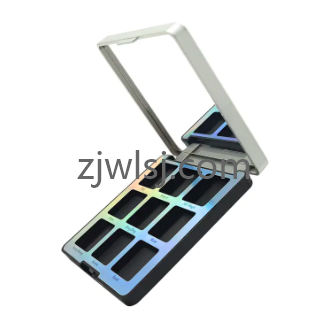
Packaging design has become an important part of developing innovative eye makeup products, especially when the cosmetic format requires a specialized structure. Eyeshadow Stamps can benefit from packaging that combines practical product protection with convenient handling and an appearance suited to modern beauty collections. For manufacturers and cosmetic brands, successful packaging development involves material selection, structural design, molding technology, surface treatment, component assembly, and quality inspection rather than focusing on appearance alone.
Material selection provides the foundation for a reliable cosmetic package. Plastic materials are commonly considered for beauty packaging because they can be molded into different shapes and support a wide range of surface finishes. When developing a compact package, manufacturers need to consider the balance between structural strength, weight, surface quality, and production efficiency. The selected material should also be suitable for the intended manufacturing process and provide a stable foundation for subsequent decoration and assembly.
Molding technology has a direct influence on the consistency of cosmetic packaging. Injection molding can produce detailed components with repeatable shapes, making it suitable for cases, covers, bases, and other plastic packaging parts. Mold design should account for wall distribution, corners, joining areas, ejection requirements, and surface appearance. Careful tooling development can help reduce visible defects and improve consistency across production batches.
The structural relationship between different packaging components is also important. A cosmetic case may include a base, cover, insert, closure component, or other supporting parts depending on the product concept. Each component needs to work together without creating unnecessary complexity. Proper fitting and alignment can improve the overall handling experience while also making the assembly process more predictable during manufacturing.
Surface finishing gives brands additional opportunities to create a recognizable product identity. Depending on the desired visual direction, packaging may incorporate printing, coating, color matching, or other decorative techniques. Matte surfaces can create a restrained appearance, while glossy finishes may provide a more polished visual effect. Decorative processes should be evaluated together with the base material because adhesion, surface preparation, and production consistency can affect the final appearance.
For specialized eye makeup formats, packaging should also support convenient interaction with the product. The package needs to protect the cosmetic contents during ordinary handling while allowing users to access and operate the product naturally. When the design includes an integrated application element, manufacturers should pay attention to component positioning and fit. These considerations can be addressed during prototype development before moving into larger-scale production.
Quality control is another important part of cosmetic packaging manufacturing. Inspection procedures can cover molding appearance, component dimensions, surface defects, assembly quality, closure behavior, and overall structural condition. Consistent inspection standards help manufacturers identify production variation and maintain stable quality between different batches. For international brands, this is particularly useful when packaging needs to support repeat orders and long-term product lines.
Customization can further distinguish Eyeshadow Stamps within a competitive beauty market. Brands may select different case shapes, colors, surface effects, printed graphics, or decorative treatments to create packaging that reflects their visual identity. However, customization should remain connected to manufacturing feasibility. A design that looks attractive but is difficult to mold, decorate, assemble, or inspect may increase production complexity. Early communication between the brand and packaging manufacturer can help balance creativity with practical production requirements.
Sustainable packaging considerations can also be incorporated during the design stage. Material efficiency, component reduction, production waste, and packaging structure can all influence the overall environmental profile of a product. Instead of adding unnecessary components, designers can examine whether each structural element has a clear functional purpose. This approach may help reduce material consumption while preserving the protection and usability required for the cosmetic product.
For beauty companies developing new eye makeup concepts, packaging development is most effective when design and manufacturing are considered together from the beginning. Clear product requirements, early samples, material discussions, artwork confirmation, and production testing can help reduce development risks. Brands interested in exploring related cosmetic packaging structures can review the product information at https://www.zjwlsj.com/product/eye-shadow-palette/shadow-palette-1-grid/ when planning their next packaging project.

 English
 Arabic
 French
 Spanish
 Portuguese
 Deutsch
 Turkish
 Dutch
Dutch
 Russian
 Romaian
 Portuguese (Brazil)
 Greek
Greek
 Bengali