


National Visa Center (NVC) Processing After I-130 Approval: A Step-by-Step Guide to Fees, DS-260, Documents, and the Immigrant Visa Interview
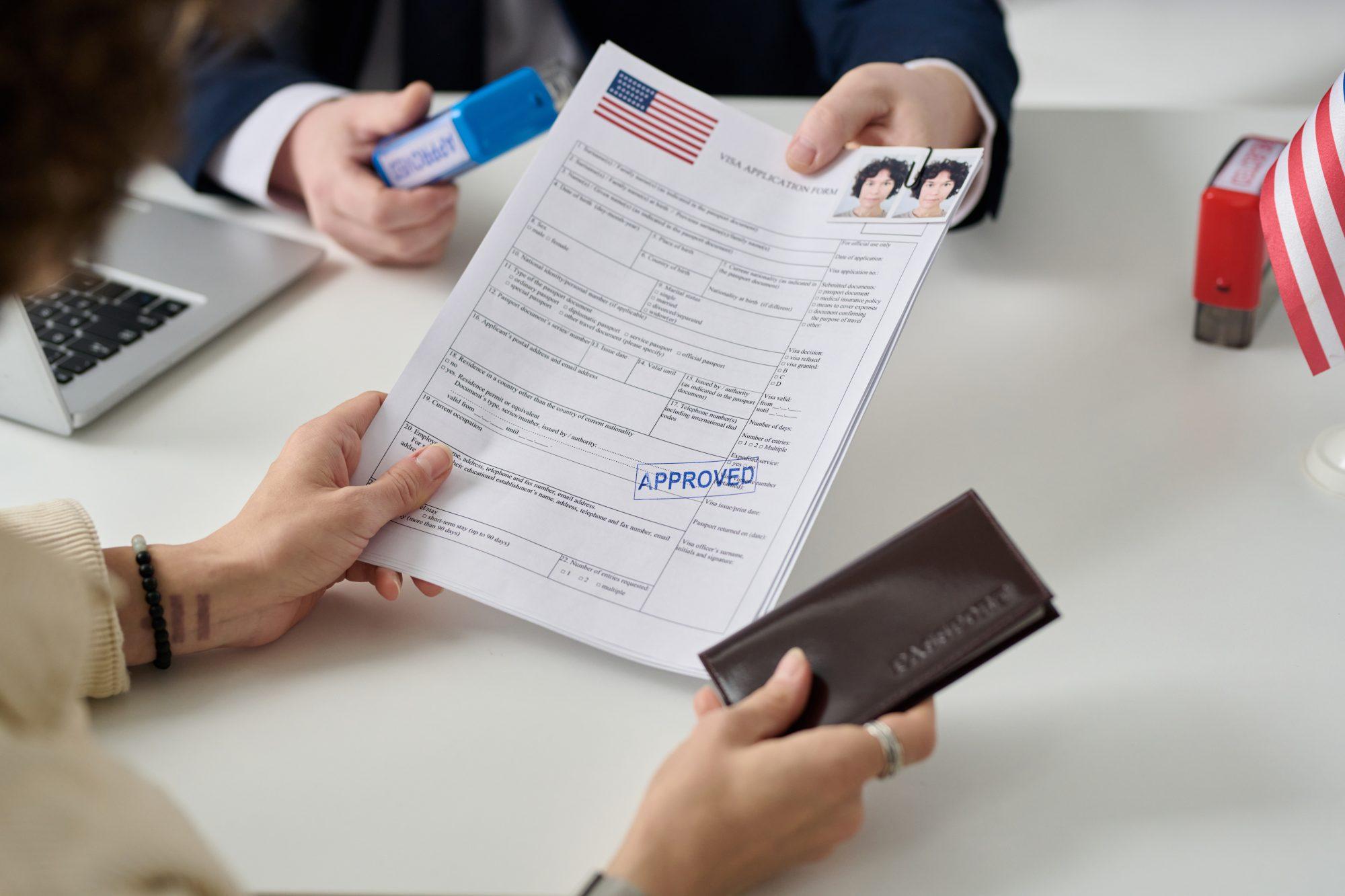
Approval of Form I-130, Petition for Alien Relative, is an important stage in many family-based immigration cases, but it does not by itself give the beneficiary an immigrant visa or lawful permanent resident status. When the beneficiary will immigrate through a U.S. embassy or consulate outside the United States, an approved petition generally moves into the Department of State's immigrant visa process.
For many cases, the National Visa Center (NVC) manages the next stage. NVC works with the petitioner and visa applicant to collect required fees, forms, financial documents, and civil documents before an immigrant visa interview can be scheduled.
The process can be confusing because applicants may receive notices from different government agencies and must complete several steps in a particular order. Understanding what happens after I-130 approval can help families recognize what information is required, what documents should be prepared, and why responding to NVC communications is important.
What Happens After USCIS Approves Form I-130?
When USCIS approves an immigrant petition for a beneficiary who will pursue an immigrant visa through consular processing, USCIS generally transfers the approved petition to the Department of State's National Visa Center.
The Department of State explains that NVC receives approved immigrant petitions from USCIS and creates a visa case in its system. Once the case is created, NVC sends a Welcome Letter containing information needed to access the case through the Consular Electronic Application Center, commonly called CEAC.
The transfer from USCIS to NVC does not mean that the immigrant visa has been approved. NVC's role is to prepare the case for consideration by a U.S. embassy or consulate.
Is Every Approved I-130 Sent to NVC?
An approved immigrant petition generally moves to NVC when the beneficiary will pursue an immigrant visa through consular processing. If the beneficiary is eligible to apply for adjustment of status from within the United States, the next steps can be different.
Therefore, one of the first questions after I-130 approval is whether the beneficiary will complete the permanent residence process inside the United States or through an immigrant visa interview abroad.
Applicants pursuing consular processing should understand the consular processing process before beginning the NVC stage.
What Is the National Visa Center?
The National Visa Center is part of the U.S. Department of State. For immigrant visa cases, NVC performs an important administrative role between USCIS petition approval and the immigrant visa interview.
NVC collects and reviews required documentation and prepares the case for an immigrant visa interview at a U.S. embassy or consulate. The Department of State explains that NVC holds the petition and supporting documentation until the case is ready for interview scheduling.
The consular officer, rather than NVC, makes the final decision on whether the applicant qualifies for an immigrant visa.
Step 1: Wait for the NVC Case to Be Created
After USCIS approves the I-130, the approved petition must reach NVC before NVC can begin its portion of the process.
NVC assigns a case number after receiving the approved petition and entering the relevant information into its system. The Department of State publishes NVC processing time information and updates it periodically.
Applicants should keep the USCIS approval notice and other case records available while waiting for NVC instructions. The approval notice contains important information, including the petition's priority date.
Step 2: Receive the NVC Welcome Letter
Once NVC creates the case, it generally sends a Welcome Letter to the applicant, petitioner, or designated representative. The letter provides information needed to access the case through CEAC.
The Department of State explains that the Welcome Letter includes the case number and Invoice ID. These details are used to access the immigrant visa case through CEAC.
Applicants should keep this information secure and avoid sharing case credentials unnecessarily.
Step 3: Determine Whether an Immigrant Visa Is Available
Visa availability can affect when NVC begins certain processing steps, particularly for family-preference categories that are subject to numerical limits.
Immediate relatives of U.S. citizens generally have a different visa-availability structure because their immigrant visas are not subject to the same annual numerical limits. Other family-sponsored categories may have to wait for their priority dates to become current.
The Department of State explains that NVC monitors visa availability and may begin processing a case when the priority date is current or is expected to become current within the applicable period.
Applicants in preference categories should therefore monitor the Visa Bulletin throughout the process.
Step 4: Pay the Required NVC Fees
After receiving the NVC Welcome Letter and gaining access to the case, the petitioner and applicant can begin the required processing steps.
For many immigrant visa cases, NVC requires payment of an immigrant visa application processing fee and an Affidavit of Support fee. The exact requirements can depend on the type of case.
The Department of State currently instructs applicants to log into CEAC and use the appropriate payment functions for the required fees. After payment is submitted, processing time may be required before the next forms become available.
Applicants should use the payment instructions displayed for their specific case rather than relying on instructions from an older case or an unrelated immigration category.
Step 5: Complete the Affidavit of Support
Most family-based immigrant visa cases require financial sponsorship documentation. The petitioner generally completes Form I-864, Affidavit of Support Under Section 213A of the Immigration and Nationality Act, when required.
The affidavit addresses the sponsor's household size, income, dependents, and other financial information. Supporting financial evidence is also generally required.
USCIS describes Form I-864 as a legally enforceable contract and explains that sponsors have specific financial obligations under the affidavit.
Financial sponsorship can involve additional considerations when the petitioning sponsor does not meet the applicable income requirement. Depending on the circumstances, a qualifying joint sponsor or other permitted financial resources may be relevant.
Step 6: Submit Financial Documents
The sponsor generally must provide documentation supporting the financial information reported on the Affidavit of Support.
Depending on the circumstances, supporting evidence can include:
- Federal income tax information
- Evidence of current employment or income
- W-2 forms or other applicable income records
- Evidence of assets when assets are being used to satisfy the applicable requirement
- Documentation from a joint sponsor when one is required
- Other financial evidence required for the particular case
The exact documentation should be determined from the current Department of State and USCIS requirements applicable to the case.
Step 7: Complete Form DS-260
The beneficiary and each qualifying family member immigrating with the principal applicant generally must complete Form DS-260, Immigrant Visa Application and Alien Registration.
The DS-260 is completed electronically through CEAC after the applicable immigrant visa processing fee has been paid and the case becomes available for the form.
The Department of State instructs applicants to submit the DS-260 online and retain the confirmation page for the immigrant visa interview.
Applicants should carefully review the information before submitting the form. Previous addresses, employment history, family information, travel history, and other information may need to be reported according to the questions on the form.
Step 8: Gather Civil Documents
NVC requires civil documents relevant to the immigrant visa application. The exact documents vary by country and by the applicant's circumstances.
Common categories can include:
- Birth certificate
- Marriage certificate, when applicable
- Divorce or termination records for previous marriages
- Police certificates when required
- Passport biographical page
- Military records when applicable
- Court or prison records when applicable
- Adoption records when applicable
- Other country-specific civil documents
Document requirements can differ depending on the country where the applicant was born, lived, or obtained the relevant record. The Department of State maintains country-specific civil document information that should be reviewed before submitting documents.
Step 9: Upload and Submit the Required Documents
Many immigrant visa cases use CEAC to submit forms and supporting documentation electronically.
The Department of State explains that CEAC allows applicants to pay fees, complete the immigrant visa application, upload required documents, and monitor messages associated with the case.
Applicants should follow the document-upload instructions carefully. Documents that are incomplete, illegible, incorrectly uploaded, or otherwise unacceptable can require additional action before the case is ready for an interview.
What Does “Documentarily Complete” Mean?
A case generally becomes ready for the next stage after NVC has received and accepted the required forms and supporting documentation.
The terminology used by the Department of State can vary depending on the particular stage of the case, but the important point is that submitting documents is not necessarily the same as having all documents accepted.
NVC reviews submitted documentation and can identify missing or unacceptable items. The Department of State's current NVC guidance explains that the agency reviews the case to determine whether the required documentation has been provided before an interview can be scheduled.
Step 10: Wait for Immigrant Visa Interview Scheduling
Once the case reaches the appropriate stage, NVC works with the relevant U.S. embassy or consulate regarding interview scheduling.
Interview availability can depend on visa availability, the consular post's capacity, and other case-specific circumstances. NVC does not guarantee a particular interview date.
Applicants should monitor their email, CEAC account, and other communications for interview-related notices.
Where Will the Immigrant Visa Interview Take Place?
Current Department of State guidance generally provides that immigrant visa applicants are scheduled for interviews in the consular district corresponding to their place of residence or, when requested, in their country of nationality, subject to limited exceptions. This policy has been in effect for immigrant visa scheduling since November 1, 2025.
Because consular procedures can vary by location, applicants should also review the instructions published by the specific U.S. embassy or consulate handling their case.
Step 11: Complete the Required Medical Examination
Immigrant visa applicants generally must complete a medical examination with an authorized physician before the immigrant visa interview or as otherwise instructed by the applicable consular post.
The medical examination is separate from the civil-document review. Applicants should follow the instructions provided by the embassy or consulate and use an approved panel physician.
Applicants should avoid completing the examination too early without checking the applicable instructions because medical examination validity and scheduling requirements can affect how the examination is used.
Step 12: Prepare for the Immigrant Visa Interview
After NVC schedules the interview, the applicant receives information about the appointment. The Department of State advises applicants to prepare the required documents and follow the instructions from the embassy or consulate.
The applicant should generally bring the documents identified in the interview instructions, including original civil documents when required.
The consular officer may ask questions about the applicant, the petitioner, the qualifying family relationship, immigration history, and other information relevant to the visa application.
What Happens at the Immigrant Visa Interview?
The interview gives the consular officer an opportunity to review the immigrant visa application and determine whether the applicant qualifies for the visa.
For a family-based case, questions may relate to the petitioning relative, the family relationship, the applicant's personal history, previous immigration activity, and information contained in the submitted forms and documents.
Applicants should answer questions accurately and consistently. If additional information or documentation is required, the consular officer may explain what is needed before a final decision can be made.
What If NVC Requests Additional Documents?
It is possible for NVC to determine that additional documentation is required. Applicants should read the request carefully and provide the specific items requested through the appropriate process.
Submitting unrelated documents or failing to address the specific issue identified by NVC may not resolve the problem. The response should correspond to the instructions associated with the case.
What If the Priority Date Is Not Current?
Some family-based immigrant visa categories are subject to annual numerical limitations. If the beneficiary's priority date is not current, the case may have to remain at NVC until an immigrant visa becomes available.
The Department of State explains that NVC may notify applicants that it has received the petition but will hold the case until a visa becomes available.
Applicants should continue monitoring the Visa Bulletin and respond to NVC communications as required.
Why Is It Important to Respond to NVC Notices?
Responding to NVC communications is an important part of maintaining an immigrant visa case.
The Department of State states that under INA section 203(g), a petition may be subject to termination if an immigrant fails to apply for an immigrant visa within one year after receiving notice of visa availability. The Department also explains that reinstatement may be possible in certain circumstances when the failure to apply was beyond the applicant's control.
This is one reason applicants should keep their contact information current and carefully monitor communications from NVC.
Common NVC Processing Mistakes
1. Assuming I-130 Approval Is the Final Step
An approved I-130 establishes the qualifying petition but does not itself issue an immigrant visa. Consular-processing applicants generally have additional steps to complete through NVC and the appropriate U.S. embassy or consulate.
2. Waiting Too Long to Respond
Applicants should not ignore NVC notices or assume that the agency will automatically continue processing without required responses.
3. Using Outdated Document Requirements
Civil-document requirements can vary by country and can change over time. Applicants should use current Department of State instructions rather than relying on an old checklist.
4. Entering Inconsistent Information
Information in the DS-260 should be carefully reviewed against previous immigration forms and records. Significant inconsistencies may require clarification.
5. Forgetting to Monitor the Visa Bulletin
Applicants in family-preference categories should understand how their priority date relates to visa availability. An approved petition does not necessarily mean that an immigrant visa number is immediately available.
6. Failing to Update Contact Information
Important notices can be sent electronically or by mail. Applicants should follow the appropriate Department of State procedures for maintaining accurate contact information.
How NVC Processing Fits Into the Overall Family Immigration Process
The NVC stage is one part of a larger family-based immigration process. In a typical consular-processing case, the sequence may look like this:
- A qualifying family member files Form I-130.
- USCIS reviews and approves the petition.
- USCIS transfers the approved petition to NVC when appropriate.
- NVC creates the immigrant visa case.
- The applicant receives instructions for accessing CEAC.
- Required fees are paid.
- Form DS-260 is completed.
- The Affidavit of Support and financial documents are submitted.
- Civil documents are collected and submitted.
- NVC reviews the documentation.
- The immigrant visa interview is scheduled when the case is ready.
- The applicant completes the required medical examination and attends the interview.
- The consular officer makes a decision on the immigrant visa application.
The exact sequence can vary depending on the family relationship, visa category, visa availability, and individual circumstances.
What Should Applicants Do While Waiting?
Applicants can use the waiting period to organize original civil documents, verify that passports remain valid, review financial documentation, monitor the Visa Bulletin when applicable, and check for messages through CEAC.
It can also be useful to keep copies of the entire immigration record, including the original I-130 petition, USCIS approval notice, NVC correspondence, submitted forms, financial documents, and civil records.
Applicants should also report important changes in circumstances when required. Changes involving marital status, family members, address, contact information, or other material facts may affect the case.
Frequently Asked Questions About NVC Processing
How long after I-130 approval does NVC contact the applicant?
The timing can vary. USCIS must first transfer the approved petition to NVC, and NVC must create the case in its system. The Department of State publishes updated NVC processing information that applicants can use to determine whether their case falls within current processing timeframes.
What is the NVC Welcome Letter?
The Welcome Letter provides information that allows the applicant or authorized representative to access the immigrant visa case through CEAC. It generally includes the NVC case number and Invoice ID.
Does NVC approve the immigrant visa?
No. NVC handles administrative processing and document collection before the interview. The consular officer at the U.S. embassy or consulate makes the decision on the immigrant visa application.
Do I need to complete Form DS-260?
Immigrant visa applicants generally must complete Form DS-260 for themselves and qualifying accompanying family members when required. The form is completed electronically through CEAC.
What happens if my priority date is not current?
If the visa category is subject to numerical limits and the priority date is not current, NVC may hold the case until an immigrant visa becomes available. Applicants should continue monitoring the Visa Bulletin and respond to required communications.
Can I check my NVC case online?
Many immigrant visa cases can be managed through CEAC using the case number and Invoice ID provided by NVC. CEAC can display case messages, payment information, document requirements, and other case information.
Conclusion
I-130 approval is an important milestone, but applicants pursuing an immigrant visa through consular processing generally have several additional steps before an immigrant visa interview can take place. The National Visa Center coordinates much of this stage by collecting fees, forms, financial sponsorship documentation, and civil records before the case is prepared for interview scheduling.
Understanding the NVC process can help applicants organize their records, monitor case communications, complete the DS-260 accurately, prepare financial documentation, and respond to requests in a timely manner. Applicants in preference categories should also continue monitoring visa availability because an approved petition does not necessarily mean that an immigrant visa number is immediately available.
The Department of State regularly updates NVC procedures and processing information. Applicants should therefore use current government instructions when preparing their cases and should pay particular attention to communications associated with their individual case.
For additional information, readers can review the family-based green card process and related immigration requirements.
Legal information disclaimer: This article is intended for general educational purposes only and does not constitute legal advice or create an attorney-client relationship. Immigration procedures, government requirements, processing practices, and visa availability can change. Individual cases may involve different requirements based on family relationships, immigration history, country of processing, and other circumstances. Readers should consult current USCIS and Department of State information and consider obtaining advice from a qualified immigration attorney regarding their particular situation.

 English
 Arabic
 French
 Spanish
 Portuguese
 Deutsch
 Turkish
 Dutch
Dutch
 Italiano
 Russian
 Romaian
 Greek
Greek
 Bengali