


Repairing Chimney Brick and Masonry Repair: Restoring Your Chimney Before Damage Spreads
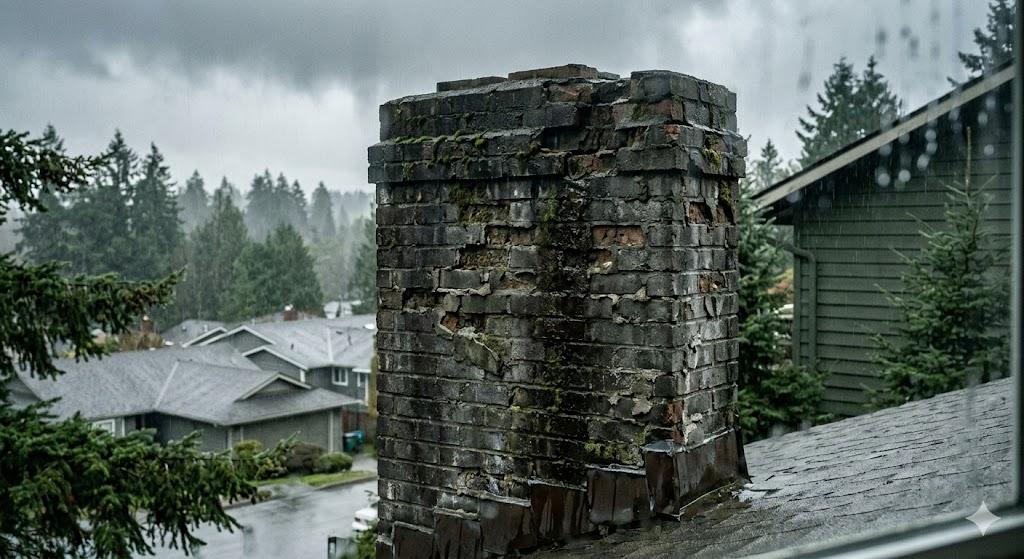
A brick chimney can give a home a classic appearance while serving an important functional purpose. However, because it extends above the roof, it is exposed to rain, snow, wind, ice, and constant temperature changes. Over time, these conditions can cause mortar joints to weaken, bricks to crack, and sections of masonry to deteriorate.
What looks like a small crack or a few damaged bricks may eventually become a larger maintenance concern if moisture continues to enter the structure. Professional repairing chimney brick services and timely masonry repair can help address these issues while preserving the strength and appearance of the chimney.
Why Chimney Brick Damage Develops
Brick is a strong and durable building material, but it is not completely resistant to moisture. Water can enter through porous surfaces, damaged mortar joints, cracks, or openings around other chimney components.
Cold temperatures can make moisture-related deterioration more serious. When water inside masonry freezes, it expands. Repeated freezing and thawing can gradually weaken the brick and mortar.
Over many seasons, this process may lead to chipped brick faces, cracks, loose sections, and crumbling mortar.
The sooner these changes are identified, the easier it may be to determine the appropriate repair strategy.
Early Warning Signs to Watch For
Homeowners should occasionally look at their chimney from a safe distance and pay attention to changes in its appearance.
Potential warning signs include:
- Cracked or chipped bricks
- Missing or deteriorated mortar
- Loose masonry
- Brick surfaces that are flaking or breaking apart
- White mineral deposits
- Gaps between bricks
- Water stains around the fireplace or nearby ceiling
- Sections that appear uneven or damaged
Not every sign indicates a serious structural issue, but visible deterioration is worth investigating.
A professional assessment can determine whether the problem is localized or whether several components of the chimney are being affected.
What Does Repairing Chimney Brick Involve?
The process of repairing chimney brick depends on the extent and type of damage.
If only a few bricks are severely damaged, they may be carefully removed and replaced individually. The surrounding mortar is assessed at the same time to determine whether the joints remain sound.
For larger areas of deterioration, a section of masonry may require more extensive restoration. In severe cases, rebuilding part of the chimney may be necessary.
The goal is not simply to make damaged areas look better. Proper repair should address the condition of the masonry and help prevent moisture from continuing to affect the structure.
The Importance of Masonry Repair
Masonry repair can involve much more than replacing individual bricks. It may include restoring mortar joints, repairing sections of brickwork, replacing damaged masonry units, or addressing areas affected by water intrusion.
Mortar joints are particularly important because they help hold the masonry together and protect the edges of the bricks.
When mortar becomes cracked, recessed, or crumbly, water can penetrate more easily. Over time, this can contribute to deterioration in the surrounding brickwork.
Repointing deteriorated joints may therefore be an important part of maintaining a chimney, especially when the brick itself remains in reasonable condition.
Matching New Bricks to Existing Masonry
One challenge during chimney restoration is finding replacement bricks that work well with the existing structure.
Older chimneys may contain bricks with unique colours, textures, sizes, and weathered appearances. A replacement brick that is significantly different can make the repaired area stand out.
Experienced masonry professionals can consider the existing brickwork when selecting replacement materials. The objective is to restore the damaged area while maintaining a consistent appearance.
Material compatibility is also important from a performance perspective. Repair materials should be appropriate for the existing masonry rather than selected solely for appearance.
Moisture Is Often Behind the Damage
When chimney masonry deteriorates, it is important to consider why the damage occurred.
Moisture may enter through deteriorated mortar, cracked bricks, a damaged chimney crown, faulty flashing, or other openings.
If the visible masonry is repaired without addressing an ongoing source of water, the same type of deterioration may return.
For this reason, a comprehensive approach to masonry repair should include consideration of the chimney's surrounding components and potential moisture-entry points.
When Repair Is Better Than Replacement
Homeowners sometimes assume that visible chimney damage means the entire chimney needs to be rebuilt. That is not necessarily the case.
Localized damage can often be addressed through targeted repairs when the surrounding structure remains sound.
For example, a handful of damaged bricks may be replaced, while deteriorated mortar joints can be repointed. More extensive rebuilding may only be necessary when a larger section has become unstable or severely deteriorated.
A professional assessment can help determine the actual condition of the structure and the appropriate scope of work.
Why DIY Chimney Repairs Can Be Risky
Chimney masonry repairs can involve working at height and dealing with materials that contribute to the structural integrity of the chimney. Identifying the cause of deterioration can also be more complicated than it appears from the ground.
A cosmetic patch may temporarily hide a crack without resolving the underlying problem.
Professional evaluation can help distinguish between surface deterioration, moisture-related damage, mortar failure, and more significant masonry concerns.
This can be particularly important for older chimneys where previous repairs may have used different materials.
Don't Ignore Small Cracks
It is easy to postpone maintenance when the damage appears minor. However, cracks and deteriorating mortar can allow moisture to penetrate deeper into the masonry.
Over time, repeated exposure can expand the affected area and potentially make the repair more complicated.
Scheduling an assessment when early warning signs appear gives homeowners a better understanding of what is happening and whether immediate maintenance is necessary.
Protecting Your Chimney for the Future
Repairing damaged masonry is only one part of maintaining a chimney. Preventing future deterioration also requires attention to water management and surrounding components.
The chimney crown, flashing, cap, mortar joints, and brickwork should all work together to limit moisture exposure.
After repairing chimney brick, professionals may also recommend maintenance measures based on the chimney's condition and the source of the deterioration.
Regular inspections can help identify new problems before they develop into major restoration projects.
Keep Your Brick Chimney Strong and Attractive
A well-maintained chimney can remain a distinctive and durable part of a home for decades. However, its longevity depends on addressing deterioration before it spreads.
Whether the chimney needs repairing chimney brick, repointing, or broader masonry repair, the right solution begins with understanding the condition and cause of the damage.
By paying attention to cracked bricks, deteriorating mortar, moisture signs, and other changes, homeowners can take action at the right time. Professional assessment and appropriate repair techniques can help preserve the chimney's appearance, strength, and ability to withstand changing weather for years to come.

 English
 Arabic
 Spanish
 Portuguese
 Deutsch
 Turkish
 Dutch
Dutch
 Italiano
 Russian
 Romaian
 Portuguese (Brazil)
 Greek
Greek
 Bengali