


Design Factors for Durable Metal Cleaning Tools
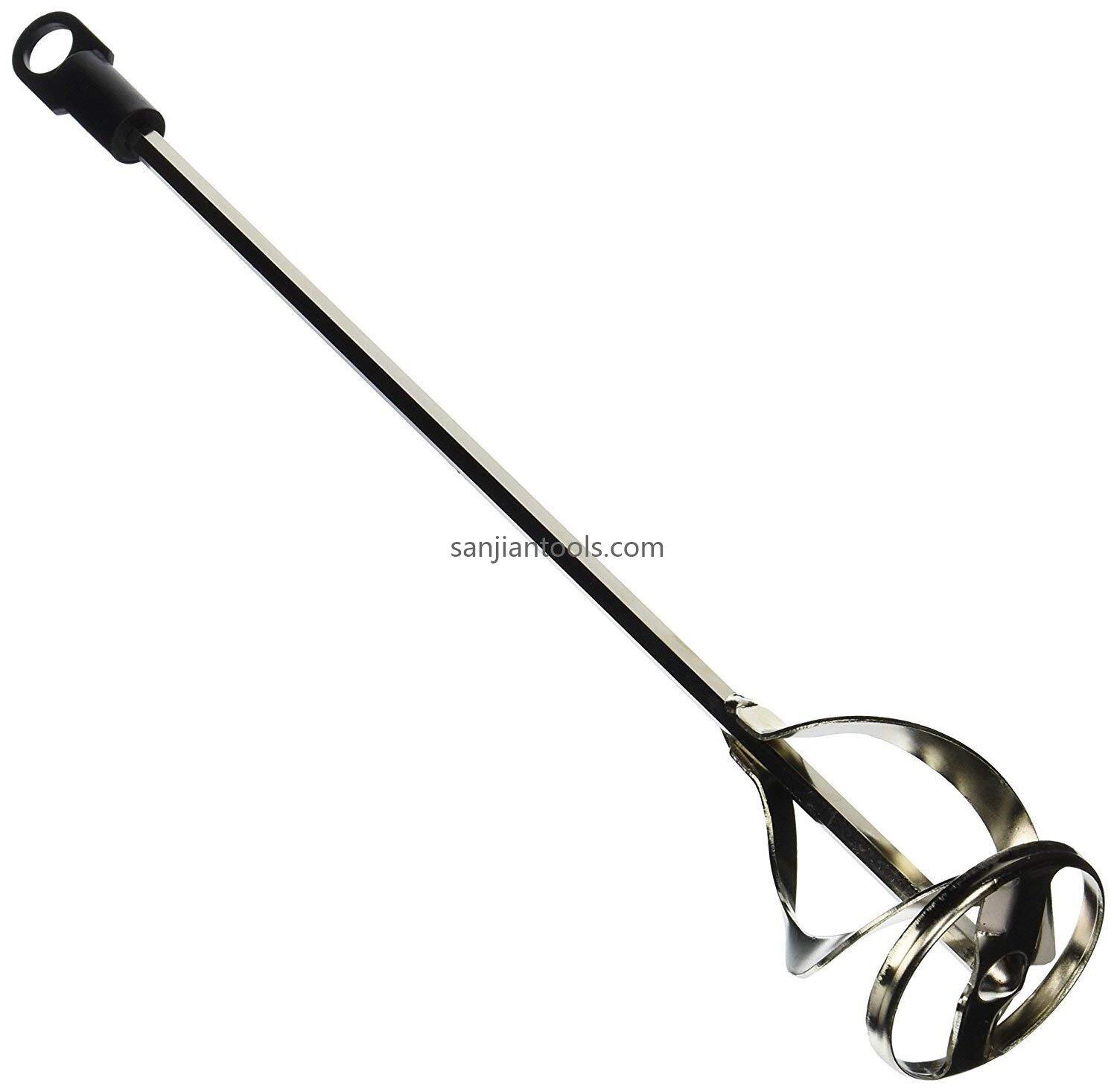
Metal surfaces often require mechanical cleaning before coating, repair, welding, assembly, or routine maintenance. In these applications, a China Steel Wire Brush can provide controlled abrasion for removing rust, scale, residue, oxidation, and other unwanted materials. From the perspective of tool manufacturing, practical performance depends on more than the presence of steel filaments. Wire composition, filament arrangement, brush-head structure, handle design, fastening methods, and production consistency all influence how the finished tool behaves during use.
Steel wire selection is an important starting point. Filaments can be produced with different diameters, tensile properties, and surface characteristics depending on the intended application. Thinner wires may offer more flexibility for lighter cleaning tasks, while thicker wires can provide firmer mechanical contact for more demanding surface preparation. The appropriate selection depends on the material being cleaned, the amount of residue present, and the level of abrasion required.
Wire arrangement also affects brush behavior. Even distribution across the brush head helps create more consistent contact as the tool moves across a surface. If filament density varies significantly, users may experience uneven cleaning action or areas with reduced contact. Manufacturing processes should therefore control wire placement, trimming, and fastening to maintain stable brush-head geometry.
The relationship between wire flexibility and cleaning efficiency is another consideration. A brush that is too rigid may create excessive localized contact on certain surfaces, while one that is too flexible may require additional passes to remove firmly attached residue. Tool designers can balance these characteristics by selecting suitable filament dimensions and adjusting the density of the wire arrangement. This allows different brush constructions to serve different maintenance and surface preparation requirements.
Brush-head construction must withstand repeated manual force. During cleaning operations, users may push, pull, or rotate the tool depending on the shape of the workpiece. Securely fixed filaments help prevent premature loosening during ordinary use. The connection between the wire bundle and the supporting block or base should therefore be evaluated as part of the complete structural design rather than treated as a separate detail.
Handle construction is particularly relevant for handheld models. A well-formed grip allows users to maintain control while applying the required pressure. Plastic handles are widely used because they can be molded into consistent shapes and produced with different grip profiles. Surface texture can also be incorporated into the molding process to support handling. The handle-to-head connection needs sufficient structural stability to withstand normal cleaning movements without unnecessary looseness.
Manufacturing quality control should cover both raw materials and finished assemblies. Wire diameter, filament length, density, trimming accuracy, handle dimensions, connection strength, and surface finish can all be checked during production. Consistent inspection helps identify problems before products reach distributors or end users. For international buyers, stable manufacturing standards are particularly relevant because product consistency affects both customer expectations and inventory management.
Different industries may require different wire brush configurations. Automotive maintenance, metal fabrication, welding preparation, construction, machinery servicing, and general workshop cleaning can involve different surface materials and residue types. A brush designed for light residue removal may not be appropriate for heavy corrosion, while a highly abrasive configuration may not suit delicate surfaces. Product classification and clear application guidance can therefore help distributors match tools with suitable use cases.
Storage and maintenance should also be considered. Steel filaments can be affected by moisture and unsuitable storage environments, particularly when tools are kept for long periods. Packaging should protect the brush head from deformation while reducing unnecessary exposure to environmental conditions. For distributors, appropriate packaging also helps preserve product appearance and structural integrity during transportation and warehouse handling.
For professional buyers, evaluating a wire cleaning tool involves examining the complete construction rather than focusing only on the filament material. Wire quality, arrangement, brush-head strength, handle design, assembly accuracy, and inspection procedures collectively determine practical usability. When sourcing China Steel Wire Brush products, these manufacturing factors can help buyers compare different tool constructions according to their intended maintenance and surface preparation applications. Additional information about hand tools and related product solutions can be found at https://www.sanjiantools.com/product.

 English
 Arabic
 French
 Spanish
 Portuguese
 Deutsch
 Turkish
 Dutch
Dutch
 Italiano
 Romaian
 Portuguese (Brazil)
 Greek
Greek
 Bengali