


Tired of Recurring Migraine Attacks? Seek the Right Treatment
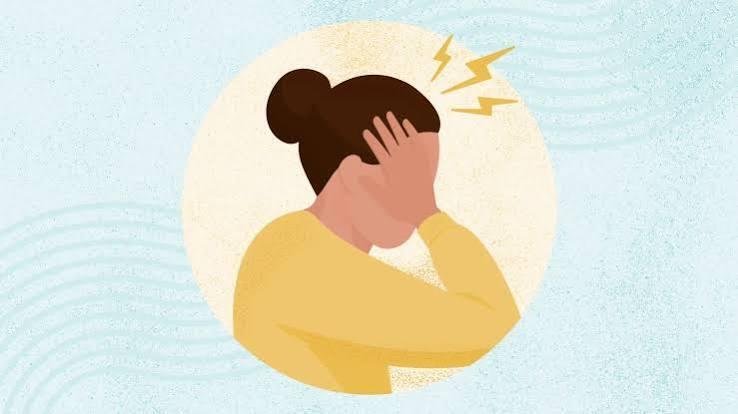
Recurring migraine attacks can be exhausting. The pain may make it difficult to work, study, sleep, or enjoy time with family. For some people, migraines are accompanied by nausea, vomiting, sensitivity to light or sound, or visual disturbances. When attacks happen repeatedly, simply managing each episode as it arrives may not be enough.
The right treatment plan can help reduce the frequency and severity of attacks and improve day-to-day quality of life.
At the Neurology and Pain Management Clinic (NPMC), Dr. Gautam Arora, an experienced Neurologist in Delhi, evaluates recurring headaches and develops individualized migraine management plans.
What Is a Migraine?
Migraine is a neurological condition that can cause moderate to severe headache, often with a throbbing or pulsating sensation. The pain may occur on one side of the head, although it can affect both sides.
Common migraine symptoms include:
- Throbbing or pulsating headache
- Nausea or vomiting
- Sensitivity to light, sound, or smells
- Visual disturbances
- Dizziness
- Difficulty concentrating
- Fatigue before or after an attack
Some people experience an aura before or during a migraine. Aura may cause temporary visual, sensory, or speech symptoms.
Why Do Migraines Keep Coming Back?
Migraine triggers differ from person to person. Common factors may include:
- Irregular sleep
- Stress or emotional strain
- Skipping meals
- Dehydration
- Excessive caffeine or sudden caffeine withdrawal
- Bright lights or strong smells
- Hormonal changes
- Certain foods or beverages
Keeping a headache diary can help identify patterns and potential triggers. However, migraines can also occur without an obvious trigger.
When Is It Time to Seek Treatment?
If migraines are becoming frequent, lasting longer, interfering with work or daily activities, or requiring repeated use of pain medication, it may be time for a professional evaluation.
Treatment does not have to focus only on stopping an attack. A neurologist can determine whether preventive treatment may be appropriate based on headache frequency, severity, disability, and other individual factors.
What Treatment Options May Be Considered?
Migraine treatment is personalized and may include:
Acute Treatment
Medicines may be prescribed to reduce pain and other symptoms during an attack. Treatment works best when used appropriately and according to medical advice.
Preventive Treatment
For people with frequent or disabling migraines, preventive medications may help reduce attack frequency or severity. The choice depends on the individual's health, migraine pattern, and treatment response.
Lifestyle Management
Regular sleep, consistent meals, adequate hydration, physical activity, stress management, and identifying personal triggers can complement medical treatment.
Specialized Care
Some patients may benefit from newer or specialized migraine treatments depending on their diagnosis and clinical needs. A neurologist can discuss appropriate options after evaluation.
Why Choose NPMC?
At Neurology and Pain Management Clinic (NPMC), Dr. Gautam Arora takes a comprehensive approach to recurring headaches. The aim is to understand the patient's migraine pattern, identify contributing factors, and develop a treatment strategy tailored to individual needs.
Conclusion
You do not have to simply accept recurring migraine attacks as a normal part of life. With proper diagnosis and an individualized treatment plan, migraine symptoms can often be managed more effectively.
If frequent headaches are affecting your sleep, work, or quality of life, consult Dr. Gautam Arora at Neurology and Pain Management Clinic (NPMC), Delhi, for expert migraine evaluation and personalized treatment guidance.

 English
 Arabic
 French
 Spanish
 Portuguese
 Deutsch
 Dutch
Dutch
 Italiano
 Russian
 Romaian
 Portuguese (Brazil)
 Greek
Greek
 Bengali