


How Furniture Movers Handle Heavy Items With Care and Safety
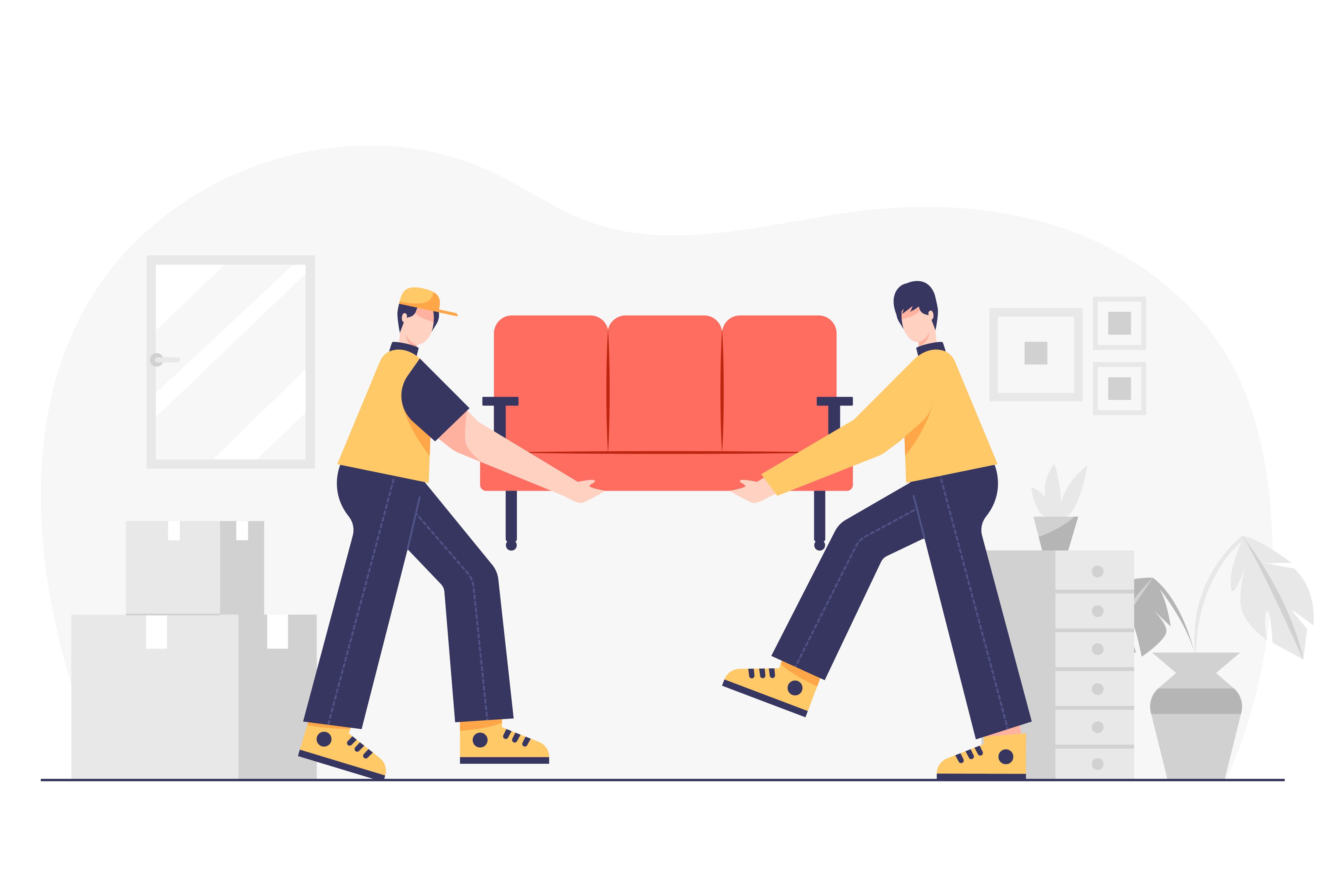
Moving heavy furniture is not as simple as it may seem. A large sofa, heavy wardrobe, dining table, bed frame, or cabinet can be difficult to lift, carry, and place safely. The challenge becomes even greater when the furniture needs to pass through narrow doors, tight hallways, stairs, or elevators. Without proper planning and handling, both the furniture and the property can be damaged.
This is why many people choose professional furniture movers when they need to relocate large or heavy items. Experienced movers understand that every piece requires a different approach. They carefully plan how furniture should be lifted, protected, carried, loaded, transported, and unloaded. Their goal is not simply to move an item from one location to another but to complete the process safely and with as little risk as possible.
Understanding the Challenges of Heavy Furniture
Heavy furniture can create several challenges during a move. Its size and weight may make it difficult for one person to handle. Some pieces may also have delicate surfaces, glass sections, wooden finishes, or removable parts that need extra attention.
Large Furniture Needs Proper Planning
Before moving a heavy item, it is important to understand its size and shape. Movers may check the height, width, weight, and structure of the furniture before deciding how to handle it.
For example, a large wardrobe may need to be tilted carefully to pass through a doorway. A long sofa may require a different carrying position to move through a narrow corridor. Planning these details first can reduce unnecessary movement and prevent accidents.
The Property Layout Also Matters
The route between the furniture and the moving vehicle should be considered before lifting begins. Doors, walls, stairs, elevators, corners, and narrow spaces can all affect how an item can be moved.
A careful assessment helps the team identify possible obstacles and choose a safer route.
Preparing Furniture Before Moving
Good preparation can make heavy furniture much easier to handle. Before an item is lifted, movers may prepare its surface and remove parts that make it unnecessarily difficult to carry.
Remove Detachable Parts
Some furniture can be partially dismantled before moving. Table legs, shelves, drawers, handles, and other removable components may be taken off when appropriate.
Reducing the size or weight of a piece can make it easier to carry through restricted spaces. Smaller parts can also be packed separately and labeled so they are easier to identify later.
Empty Furniture First
Drawers, shelves, cabinets, and storage units should usually be emptied before they are moved. Leaving heavy objects inside can increase the overall weight and make the furniture harder to control.
Empty furniture is easier to lift and reduces the chance of drawers opening or items falling during handling.
Using Protective Materials
Furniture can suffer scratches, dents, marks, and other damage if it is moved without suitable protection. Professional movers use different protective materials depending on the type and condition of each item.
Wrap Surfaces Carefully
Protective blankets and wrapping materials can help cover wooden surfaces, painted areas, and other parts that may be vulnerable to scratches.
Special attention should be given to corners and edges because these areas can easily come into contact with walls, doors, or other furniture.
Protect Glass and Delicate Parts
Furniture with glass doors, mirrors, or delicate decorative sections needs additional care. These parts may require suitable wrapping and secure positioning.
Fragile components should be kept stable during both carrying and transportation. Proper protection helps reduce the chance of cracks or breakage.
Choosing the Right Lifting Method
Lifting heavy furniture requires more than simply picking it up. The weight needs to be balanced, and the people carrying it need to coordinate their movements.
Work as a Team
Large furniture is often easier to handle when several people work together. Movers can communicate before lifting so everyone understands when to raise, lower, turn, or stop.
Clear communication can prevent sudden movements and help keep the item under control.
Keep the Furniture Balanced
A heavy item can become difficult to control if its weight is unevenly distributed. Movers need to understand where the strongest and safest lifting points are.
Keeping the item balanced can make carrying more stable and reduce the risk of dropping or tilting it unexpectedly.
Moving Furniture Through Narrow Spaces
One of the most challenging parts of relocation is getting large furniture through narrow areas. A piece that easily fits inside a room may not fit through the doorway or hallway.
Measure Before Moving
Taking measurements can help determine whether an item can pass through a particular entrance. Movers may consider the furniture dimensions as well as the width and height of doors, hallways, stairways, and elevators.
This can prevent situations where a large item becomes stuck halfway through a doorway.
Protect Walls and Door Frames
Even when furniture fits through an opening, its corners can scrape walls or door frames. Protective coverings can be placed around vulnerable areas when necessary.
Movers can also adjust the angle of the furniture instead of forcing it through a tight space.
Handling Furniture on Stairs
Stairs can make heavy furniture much harder to move. The team must control both the weight and direction of the item while moving up or down.
Coordinate Every Movement
When carrying furniture on stairs, communication is extremely important. The people at different ends need to coordinate their movements and maintain control.
Moving too quickly can create unnecessary risk, especially with tall wardrobes, cabinets, and large sofas.
Use Additional Protection
Furniture can be protected with suitable covers before it is taken onto stairs. This helps reduce contact with walls and railings while the item is being carried.
Extra care is also useful when staircases have tight turns or limited space.
Using Elevators Safely
Elevators are common in apartment buildings, but moving large furniture inside one can still require careful planning.
Check Available Space
Before moving an item into an elevator, the available space should be considered. Large furniture may need to be positioned carefully so it does not damage the elevator walls or doors.
If the building has a service elevator, it may be more suitable for transporting large household items.
Follow Building Rules
Many residential buildings have specific rules about moving furniture. There may be designated moving hours, elevator booking requirements, parking restrictions, or loading areas.
Following these rules can help prevent delays and make the moving process more organized.
Loading Heavy Furniture Into a Vehicle
Once furniture reaches the moving vehicle, it still needs to be handled carefully. Poor loading can result in shifting, scratches, or damage during transportation.
Place Heavy Items Carefully
Heavy furniture should be positioned in a way that keeps the load stable. Movers need to consider the weight and size of each item when deciding where it should go.
A stable arrangement can reduce unnecessary movement while the vehicle is traveling.
Secure Furniture Properly
Large pieces should be secured so they do not move around during transportation. Protective materials can also be placed between furniture items to reduce contact.
This is especially important when several large pieces are being transported together.
Protecting Furniture During Transportation
The moving process does not end when the vehicle leaves the property. Furniture can still be affected by movement during transportation.
Professional furniture movers understand that careful loading and securing are important parts of the overall process.
Reduce Unnecessary Movement
Furniture that shifts during transportation may hit other items or the sides of the vehicle. Proper positioning and securing can help keep everything stable.
Boxes and smaller belongings should also be arranged so they do not fall against large furniture pieces.
Consider Different Furniture Materials
Wood, glass, metal, leather, and fabric furniture may require different forms of protection. For example, wooden surfaces can be vulnerable to scratches, while glass requires protection against impact.
Understanding the material helps determine the appropriate handling method.
Unloading Furniture With Care
Arriving at the destination does not mean the difficult work is finished. Large furniture still needs to be removed from the vehicle and taken into the new property.
Plan the New Location
Before unloading, it can be useful to know where each large item will be placed. This reduces the need to move heavy furniture multiple times.
A clear plan can also make the unloading process faster and more organized.
Avoid Dragging Heavy Items
Dragging furniture across floors can cause scratches or other damage. Movers can use appropriate methods to lift and position heavy pieces instead of unnecessarily pulling them across surfaces.
Floor protection may also be useful in certain situations.
How Professional Experience Helps
Moving heavy furniture involves many small decisions. Knowing how to approach a narrow doorway, how to balance a large cabinet, or how to position a sofa inside a vehicle can make a significant difference.
Experienced furniture movers have dealt with different furniture types and property layouts. This experience can help them recognize potential problems before they become serious.
Handle Unexpected Problems
Sometimes a planned route may not work. A doorway may be smaller than expected, an elevator may be unavailable, or furniture may be heavier than originally estimated.
Experienced movers can reassess the situation and find a safer alternative instead of rushing the process.
Reduce Damage Risks
Careful planning, proper equipment, protective materials, and coordinated lifting can all help reduce the chance of damage.
While no moving process can remove every possible risk, responsible handling can make the process considerably safer.
Choosing the Right Moving Support
When looking for professional help, it is important to consider more than price. The way a company handles furniture, communicates with customers, and prepares for difficult moving situations can have a major impact on the experience.
Share Furniture Details in Advance
Before the move, provide information about large, fragile, valuable, or unusual items. Mention oversized sofas, heavy wardrobes, glass tables, pianos, cabinets, or other pieces that may require additional preparation.
Accurate information allows the moving team to prepare the right approach.
Explain Access Conditions
Tell the moving team about stairs, elevators, narrow entrances, parking restrictions, loading areas, and other access conditions.
This information helps reduce surprises on moving day and allows the move to be planned more effectively.
Preparing Your Home for Heavy Furniture
Homeowners can also take a few simple steps before movers arrive. Clear pathways and remove small objects that could create obstacles.
Keep Walkways Clear
Boxes, toys, decorations, shoes, and other objects should be moved away from the route. A clear path gives movers more room to carry large furniture safely.
Protect Valuable Areas
If there are delicate floors, walls, or decorative features near the moving route, point them out in advance. This allows the team to take additional care where needed.
Why Careful Furniture Handling Matters
Furniture is often more than a household item. Some pieces may be expensive, sentimental, custom-made, or difficult to replace. A dining table may have been part of a family home for years, while a wardrobe may have required a significant investment.
B2H Movers understands the importance of treating furniture carefully throughout the moving process. From preparation and protection to carrying, loading, transportation, and unloading, each stage requires attention.
The objective is to make the relocation easier while keeping large and valuable items protected as much as possible.
Make Your Furniture Move Easier
A successful furniture move depends on preparation, careful lifting, suitable protection, safe transportation, and proper unloading. Heavy items should never be treated like ordinary boxes because their size and weight create different challenges.
Professional furniture movers can help manage these challenges by using organized methods and careful handling techniques. They can assess the property, prepare furniture, protect surfaces, coordinate lifting, and plan how items should be transported.
If you are planning a furniture relocation, Contact us to learn how our moving support can help make your move safer, smoother, and easier.
Conclusion
Heavy furniture can turn a simple relocation into a difficult task when it is not handled properly. Large sofas, wardrobes, cabinets, tables, beds, and other items require planning and attention from the moment they are prepared until they are placed in their new location.
The safest approach is to avoid rushing and make sure every stage is properly organized. Measuring access points, protecting surfaces, coordinating lifting, securing furniture, and following building requirements can all contribute to a smoother experience.
With the right preparation and professional assistance, moving heavy furniture does not have to be an overwhelming part of relocation. Careful handling can help protect your belongings, reduce unnecessary stress, and make the entire moving process more manageable.

 English
 Arabic
 French
 Spanish
 Portuguese
 Turkish
 Dutch
Dutch
 Italiano
 Russian
 Romaian
 Portuguese (Brazil)
 Greek
Greek
 Bengali