


That's Not My Neighbor: A Doorman’s Guide to Spotting the Wrong Face
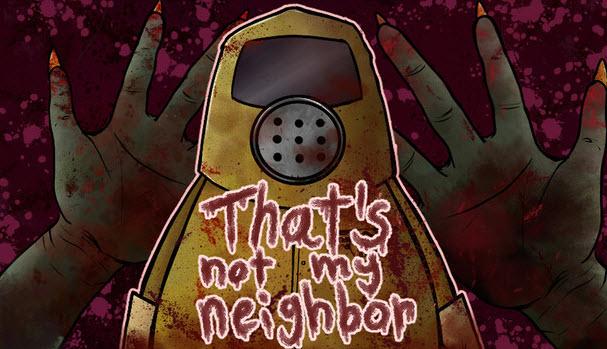
That's Not My Neighbor turns a seemingly ordinary security job into a tense identification game. Set in 1955, the game puts you behind the entrance desk of an apartment building where every visitor needs to be checked before being allowed inside. The danger comes from doppelgängers capable of copying human appearances, making a familiar face much less trustworthy than it first seems.
Instead of relying on combat or fast movement, the experience is built around observation. Names, photographs, documents, resident records, and physical details all become pieces of evidence. A visitor may look perfectly normal at first glance, but one incorrect detail can change the entire situation.
A Security Desk Full of Doubt
The daily routine in That's Not My Neighbor begins with visitors arriving at the building. Your responsibility is to determine whether each person is a legitimate resident, an expected visitor, or something that should never be allowed through the door.
This creates an interesting rhythm. Some cases can be handled quickly when all the information matches. Others require much closer attention because the discrepancy is hidden somewhere in the paperwork or the visitor's appearance.
The game works particularly well because there is no single detail that always gives away a doppelgänger. Players have to compare information rather than memorize one obvious warning sign.
Learning to Read the Evidence
Checking an identification card is only part of the process. Comparing the photograph with the person standing at the entrance can reveal differences that are easy to miss when moving too quickly.
Documents can also contain useful clues. Names, identification numbers, dates, and other records need to correspond with the information available at the desk. When something feels inconsistent, taking another look is often more useful than making an immediate decision.
The telephone provides another layer of investigation. Calling an apartment can help confirm whether someone is actually expected, giving you an additional source of information before deciding what to do.
When Small Mistakes Become Dangerous
One of the more interesting aspects of That's Not My Neighbor is how it encourages a slower style of play. Speed is useful, but accuracy matters more when the evidence is unclear.
A few habits can make each shift easier:
- Check the resident list before assuming someone belongs in the building.
- Compare faces carefully instead of relying on general resemblance.
- Read documents completely when a name, number, or date looks unusual.
- Use the telephone when information needs additional confirmation.
- Review suspicious details twice before making a final decision.
These steps may sound simple, but they become harder when several visitors arrive and the pressure starts building.
Horror Hidden Inside Routine Work
The setting gives That's Not My Neighbor much of its personality. Rather than placing the player in a traditional haunted location, the game creates unease through an everyday responsibility that gradually becomes disturbing.
The pixel-art presentation also works alongside the investigation mechanics. Strange facial details and unsettling visitors can feel even more noticeable because the player is already trained to inspect what appears on the screen.
There is also an important psychological element: familiarity becomes unreliable. A person can look like someone you have already seen, yet the evidence may suggest otherwise. That uncertainty keeps even ordinary encounters from feeling completely safe.
A Game Built Around Careful Decisions
That's Not My Neighbor does not require players to memorize complicated controls. Its challenge comes from processing information, noticing inconsistencies, and deciding what deserves further investigation.
Mistakes can teach useful lessons. Missing a small discrepancy may show you what to examine more carefully during the next encounter, while correctly identifying suspicious behavior gradually improves your ability to recognize patterns.
For players who enjoy horror, mystery, observation, and decision-based gameplay, the appeal comes from turning a simple entrance desk into a constant test of attention. Every visitor brings a new question, and the most convincing person in front of you may be the one who deserves the closest inspection.
Rather than simply asking players to survive a frightening environment, That's Not My Neighbor asks them to decide who belongs there. That small change in perspective gives each shift its own tension and makes careful observation the most valuable skill behind the desk.

 Arabic
 French
 Spanish
 Portuguese
 Deutsch
 Turkish
 Dutch
Dutch
 Italiano
 Russian
 Romaian
 Portuguese (Brazil)
 Greek
Greek
 Bengali