


Choosing the Right Self Contained Breathing Apparatus SCBA for Fire Safety
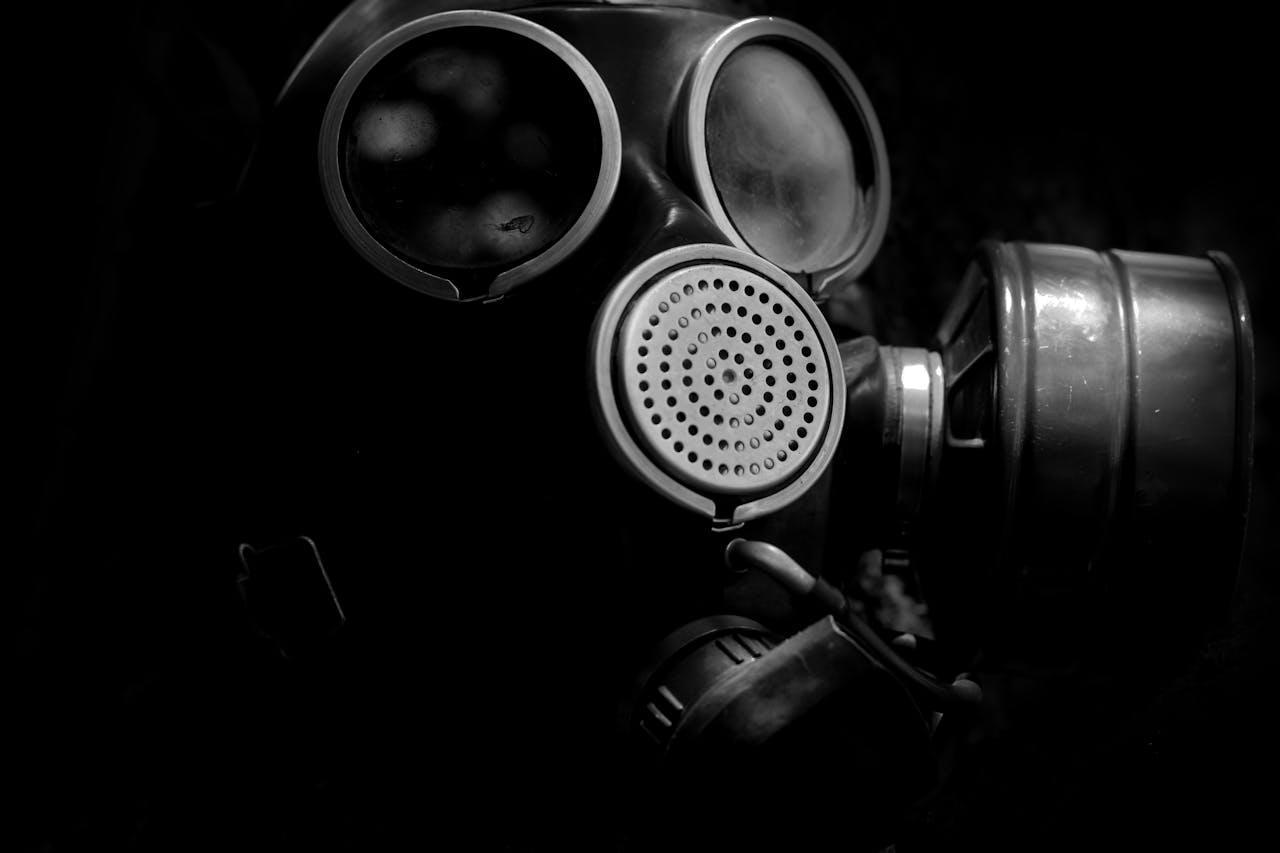
Firefighters and emergency response teams can encounter smoke, toxic gases, oxygen-deficient atmospheres, and other hazardous conditions during rescue and firefighting operations. In such environments, respiratory protection is a critical part of personal safety equipment. A Self Contained Breathing Apparatus (SCBA) provides breathable air from a compressed-air cylinder carried by the user, allowing trained personnel to operate in atmospheres where normal breathing may be unsafe. Choosing the right SCBA requires careful consideration of equipment specifications, operating conditions, comfort, maintenance, and applicable safety requirements Self Contained Breathing Apparatus.
Understand the Application
The first step in selecting an SCBA is understanding where and how it will be used. Firefighting, industrial emergency response, chemical handling, confined-space rescue, and other hazardous operations can have different requirements. The expected duration of use, environmental conditions, mobility requirements, and level of respiratory hazard should be considered before selecting equipment.
A suitable SCBA should match the operational needs of the team. Organizations should also ensure that users are properly trained in SCBA operation, emergency procedures, cylinder handling, and equipment limitations.
Check Air Supply and Cylinder Capacity
An SCBA normally includes a compressed-air cylinder that supplies breathable air through a regulator and facepiece. Cylinder capacity and operating pressure influence the available air supply, but actual service duration depends on factors such as the user's breathing rate, workload, temperature, and activity.
When choosing an SCBA, organizations should evaluate the required operating duration and select a configuration appropriate for the intended task. Air cylinders should be handled, inspected, stored, and maintained according to applicable requirements and manufacturer instructions.
Consider Facepiece Design and Fit
A properly fitting facepiece is an important part of respiratory protection. The facepiece should provide an appropriate seal for the user and allow clear visibility and communication where required. Comfort also matters because firefighters or emergency responders may need to wear the equipment for extended periods.
Organizations should consider available facepiece sizes, adjustment mechanisms, visibility, communication features, and compatibility with other protective equipment. Fit-testing and proper user training should be conducted according to applicable respiratory protection procedures.
Evaluate Harness and Ergonomics
SCBA equipment is carried on the user's body, so harness design and weight distribution can affect mobility and comfort. A well-designed harness should allow the equipment to remain secure while the user moves, bends, climbs, or performs rescue activities.
When comparing SCBA systems, consider adjustability, ease of donning and doffing, cylinder positioning, and compatibility with firefighting clothing and other personal protective equipment.
Look at Maintenance and Inspection Requirements
Regular inspection and maintenance are essential for respiratory protection equipment. Organizations should establish procedures for checking cylinders, regulators, hoses, facepieces, valves, alarms, and other components. Equipment should be inspected and serviced according to applicable standards and manufacturer recommendations.
Before purchasing, ask about replacement parts, servicing support, inspection procedures, training, and documentation. A manufacturer or supplier that provides appropriate technical support can help organizations maintain equipment properly.
Choose a Reliable SCBA Supplier
Selecting the right supplier is as important as selecting the equipment itself. Dipti Fire Services provides fire and safety equipment solutions, including Self Contained Breathing Apparatus for applications requiring respiratory protection.
When choosing an SCBA for fire safety, organizations should assess the operating environment, air supply, facepiece fit, ergonomics, maintenance requirements, applicable standards, and user training. Careful evaluation helps ensure that the selected equipment is appropriate for its intended application and supports safer operations in hazardous environments
Google Map - https://maps.app.goo.gl/LKq6gXrRoWT8ah437
Address - 120, Rajiv Industrial Estate, Tokershi Jivraj Rd, Sewree West, Mumbai, Maharashtra 400015, India

 English
 Arabic
 French
 Spanish
 Portuguese
 Deutsch
 Turkish
 Dutch
Dutch
 Italiano
 Russian
 Romaian
 Greek
Greek
 Bengali