


Early Signs of Cataracts and When to Seek Treatment
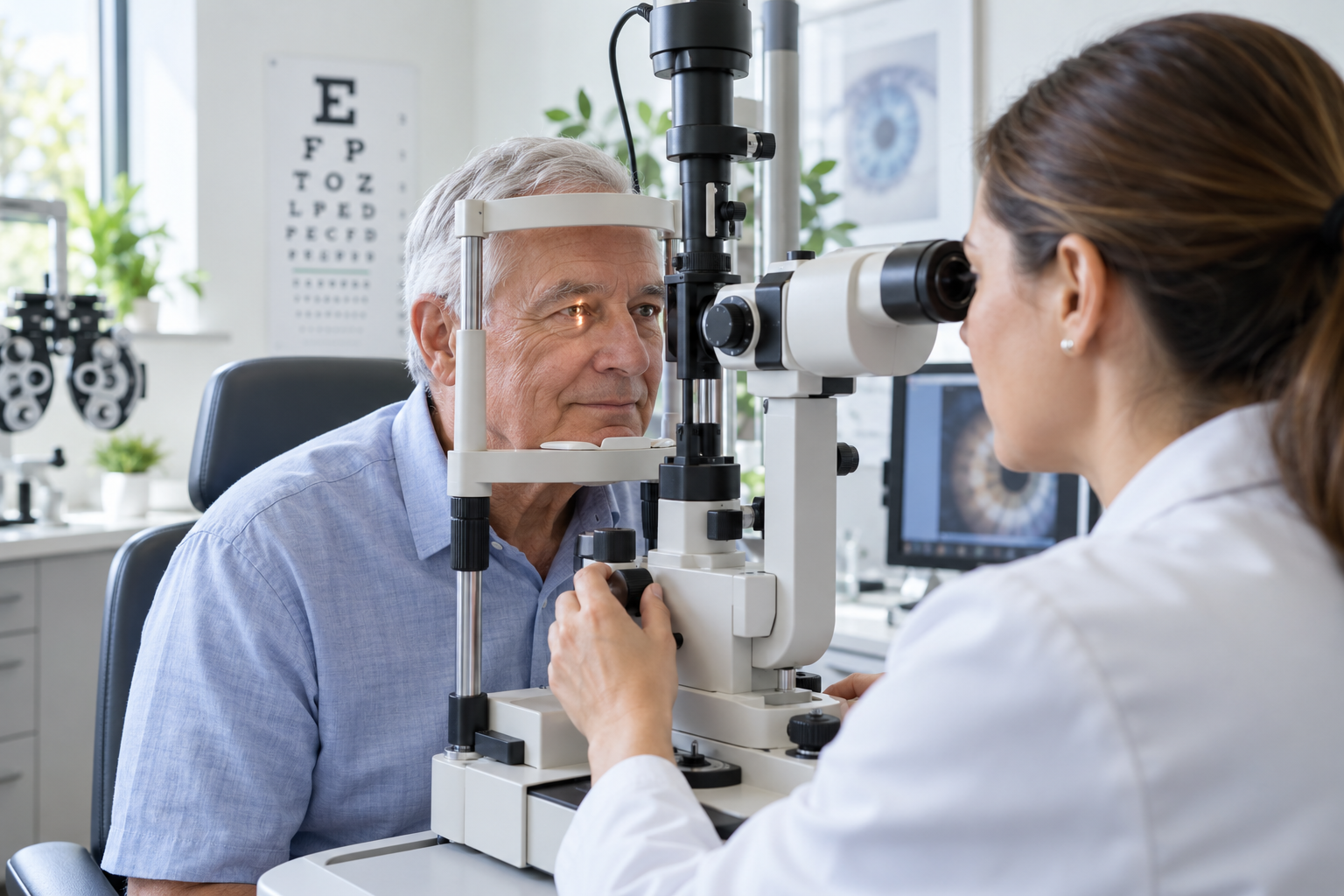
Cataracts are one of the most common causes of age-related vision changes. They develop when the normally clear lens inside the eye becomes cloudy, making it harder for light to reach the retina properly. Cataracts often develop gradually, so the earliest changes may be easy to overlook.
Recognizing the early warning signs can help you arrange an eye examination and understand when treatment may be appropriate. While cataracts do not always require immediate intervention, worsening vision can eventually affect activities such as reading, driving, working, or watching television. If vision changes begin interfering with everyday activities, learning more about available options, including Eye Surgery San Antonio, can help you understand when professional evaluation may be appropriate.
What Are Cataracts?
The eye's natural lens helps focus incoming light onto the retina, allowing you to see clear images. With a cataract, proteins within the lens can clump together and create a cloudy area. As the cataract progresses, vision may become hazy, colors may appear less vivid, and bright lights can become more difficult to tolerate.
Age is the most common risk factor, but cataracts can also be associated with diabetes, smoking, previous eye injuries or surgery, certain medications such as steroids, radiation exposure, and family history.
Early Signs of Cataracts to Watch For
Cataracts typically do not cause noticeable symptoms when they are very small. As lens clouding develops, however, subtle changes in vision may become more apparent.
1. Blurry or Hazy Vision
One of the most common symptoms is vision that gradually becomes blurry, cloudy, or hazy. You may feel as though you are looking through a dirty window or a light fog.
Unlike some sudden eye problems, cataract-related vision changes usually develop progressively.
2. Increased Sensitivity to Light
Bright sunlight, indoor lighting, or vehicle headlights may begin to feel unusually uncomfortable. Glare can make certain environments more challenging, particularly while driving at night.
3. Halos Around Lights
Some people with cataracts notice rings or halos surrounding lamps, headlights, or other bright light sources. This can become particularly noticeable in darker surroundings.
4. Difficulty Seeing at Night
Nighttime vision may become less clear as a cataract progresses. Driving after sunset, recognizing signs, or navigating poorly lit areas may become more difficult.
5. Colors Appear Faded
A cataract can gradually affect the way colors appear. Whites may look yellowish or dull, while other colors may seem less vibrant than they once did.
6. Frequent Changes in Your Glasses Prescription
If you repeatedly need to update your eyeglasses or contact lens prescription but still do not achieve the clarity you expect, an eye examination may be worthwhile. Cataracts can cause changes in vision that are not fully corrected by a new prescription.
7. Double Vision in One Eye
Cataracts can sometimes cause double vision or ghost images in one eye. This symptom can have several possible causes, so an eye care professional should evaluate it rather than assuming it is caused by a cataract.
When Should You See an Eye Doctor?
It is a good idea to schedule an eye examination when you notice persistent changes in your vision. Cataract symptoms can overlap with other eye conditions, meaning a professional examination is important for determining the actual cause.
Consider arranging an evaluation if you experience:
- Increasingly blurry or cloudy vision
- Difficulty reading even with corrective lenses
- More difficulty seeing while driving at night
- Significant glare from headlights or sunlight
- Faded or yellowish colors
- Frequent prescription changes
- Vision changes that interfere with work or hobbies
- Difficulty recognizing faces or navigating familiar surroundings
A comprehensive dilated eye examination can help identify cataracts and check for other conditions that may affect vision.
When Is Cataract Treatment Necessary?
Having a cataract does not automatically mean you need surgery immediately. In the early stages, some people can manage their symptoms with practical adjustments and updated vision correction.
For example, an eye care professional may recommend:
- Brighter lighting for reading and close-up activities
- Anti-glare sunglasses
- Magnifying lenses
- Updated eyeglasses or contact lenses
These measures may improve visual comfort while the cataract remains relatively mild.
The need for treatment generally becomes more important when cataracts begin interfering with everyday activities. Difficulty driving safely, reading, working, watching television, or performing routine tasks may indicate that it is time to discuss surgical options with an ophthalmologist.
Understanding Cataract Surgery
Cataract surgery involves removing the cloudy natural lens and replacing it with an artificial lens called an intraocular lens, or IOL. It is currently the only treatment that removes an existing cataract.
During a consultation, your eye doctor can assess the cataract, evaluate your overall eye health, discuss how much your vision is being affected, and explain the potential benefits and risks of surgery.
There is generally no need to rush into cataract surgery simply because a cataract has been diagnosed. The timing depends largely on how much the vision changes are affecting your daily life and individual circumstances.
What About Cataract Removal in San Antonio?
People searching for cataract removal San Antonio may be looking for information about when surgery becomes appropriate and what to expect from treatment. The important first step is a comprehensive eye evaluation rather than deciding on surgery based solely on symptoms.
An ophthalmologist can determine whether a cataract is responsible for your visual difficulties and whether nonsurgical measures are still providing adequate vision. If daily activities are becoming difficult, a discussion about lens replacement surgery may be appropriate.
Can Cataracts Be Prevented?
Not every cataract can be prevented, particularly those associated with normal aging. However, certain habits may help protect eye health and potentially reduce some risk factors.
Helpful measures include:
- Wearing sunglasses that provide UV protection
- Using protective eyewear during activities that could cause eye injuries
- Avoiding smoking
- Eating a balanced diet containing fruits, vegetables, leafy greens, nuts, and whole grains
- Managing health conditions such as diabetes with appropriate medical care
- Keeping up with routine eye examinations
Don't Ignore Gradual Vision Changes
Cataracts can develop slowly, making it easy to adapt to declining vision without realizing how much it has changed. You may simply increase the lighting, sit closer to the television, avoid nighttime driving, or change your glasses more frequently.
However, these adjustments should not replace professional eye care. A comprehensive examination can determine whether cataracts are present and whether another eye condition could be contributing to the symptoms.
If cloudy vision, glare, nighttime difficulty, or faded colors are beginning to interfere with everyday life, schedule an eye examination and discuss your options with a qualified eye care professional. Early evaluation allows you to understand what is happening and make an informed decision about monitoring or treating the cataract.

 English
 Arabic
 French
 Spanish
 Portuguese
 Deutsch
 Dutch
Dutch
 Italiano
 Russian
 Romaian
 Portuguese (Brazil)
 Greek
Greek
 Bengali