


What Is a Laser Rust Removal Machine
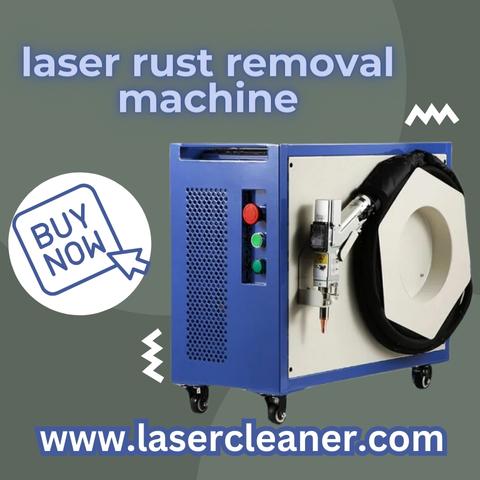
Rust is a common problem for metal surfaces used in manufacturing, automotive repair, construction, machinery maintenance, and restoration. Removing rust effectively is important for maintaining the appearance, condition, and usability of metal components. Traditional cleaning methods can require chemicals, abrasive materials, extensive manual work, or several processing stages. A laser rust removal machine provides a modern approach by using concentrated laser energy to remove rust and other unwanted surface contaminants.
As industries continue looking for cleaner and more controlled maintenance processes, laser-based cleaning equipment is becoming increasingly relevant. It can be used on different metal surfaces and is suitable for workshops, factories, maintenance departments, restoration projects, and many other professional applications.
What Is a Laser Rust Removal Machine?
A laser rust removal machine is industrial cleaning equipment designed to remove rust, oxidation, paint residues, oil, dirt, and other contaminants from metal surfaces. The machine directs a controlled laser beam toward the affected area. The laser energy interacts with the unwanted material, causing it to detach or vaporize while allowing the operator to clean the underlying surface with controlled movement.
Unlike conventional abrasive cleaning, laser cleaning does not depend on physical blasting media. This makes the process particularly useful when manufacturers need a precise method for treating valuable components or areas where surface control is important.
Different machines are available with varying laser power levels, configurations, scanning systems, and operating methods. Selecting the appropriate equipment depends on the material, contamination level, cleaning area, and intended application.
How Does Laser Rust Removal Work?
The basic working process involves directing a laser beam onto the rusted surface. Rust and other contaminants absorb the laser energy differently from the underlying metal. When the laser parameters are properly adjusted, the energy primarily interacts with the unwanted layer.
As the laser passes across the surface, rust can be loosened and removed from the metal. The operator can control the cleaning pattern and movement to cover the required area. This allows the process to be adapted for both localized rust spots and larger metal components.
The correct combination of laser power, scanning speed, frequency, and other operating parameters is important. These settings vary according to the type of metal and contamination. Professional operators generally begin with suitable settings and adjust them according to the condition of the workpiece.
Where Is a Laser Rust Removal Machine Used?
Laser rust removal equipment can be applied across many industries. Automotive workshops may use it for cleaning metal components, tools, frames, and machinery parts. Manufacturing facilities can use laser cleaning during maintenance and preparation processes.
In metalworking environments, rust removal may be required before welding, coating, painting, or inspection. Removing oxidation from the working area can help prepare the surface for the next production stage.
The technology is also relevant to industrial maintenance. Machinery and equipment exposed to moisture, chemicals, or outdoor conditions can develop oxidation over time. Laser cleaning provides a controlled way to treat affected areas without relying entirely on manual scraping or abrasive methods.
Restoration professionals may also consider laser cleaning when working with metal objects that require careful surface treatment. The ability to control the cleaning process can be particularly useful when dealing with valuable or detailed metal surfaces.
Cleaning Different Types of Metal Surfaces
Metal surfaces can vary significantly in hardness, thickness, finish, and condition. For this reason, laser cleaning requires appropriate parameter selection for each application.
Steel components are among the common materials associated with rust removal because they can develop oxidation when exposed to moisture and air. Stainless steel, iron, aluminum, and other metal surfaces may also require cleaning, although the appropriate laser settings can differ.
Before processing a large or valuable component, testing a small area is a practical approach. It allows the operator to observe how the surface responds and determine suitable operating parameters.
Surface condition also matters. Light oxidation may require a different approach from thick, heavily developed rust. Experienced operators can adjust the cleaning process according to the condition of the workpiece.
Laser Rust Removal for Industrial Maintenance
Industrial machinery can accumulate rust and contamination during long periods of operation or storage. Regular maintenance helps keep equipment in usable condition and can support production efficiency.
A laser rust removal machine can be incorporated into maintenance workflows for treating machine components, metal structures, molds, tools, and other equipment. Since the cleaning process can be directed toward specific areas, it can be useful for localized maintenance work.
For facilities handling large numbers of components, the equipment can also become part of a repeatable cleaning procedure. Operators can establish suitable parameters for particular materials and applications, helping create a more consistent workflow.
Preparing Metal Before Welding and Coating
Surface preparation is an important stage before welding, painting, and coating. Rust, oxidation, oil, and other contaminants can interfere with the condition of the surface being prepared.
Laser cleaning can be used to remove unwanted layers from selected areas before the next production process. In welding applications, cleaning the joint area can help prepare the metal before welding begins.
For painting and coating work, removing surface contamination can provide a cleaner starting point. The exact preparation requirements depend on the coating system, metal type, and production process, so operators should establish appropriate cleaning parameters before full-scale processing.
Choosing the Right Laser Rust Removal Machine
Several factors should be considered before purchasing laser cleaning equipment. Laser power is one important consideration because different applications require different levels of cleaning capability. A small workshop treating localized rust may have different requirements from a factory cleaning large industrial components.
The machine's cleaning head and scanning system are also relevant. A practical design can make it easier to access different shapes and areas of a workpiece.
Portability is another consideration. Handheld systems can be useful when operators need to move around large machinery or clean components that cannot easily be transported. Fixed or integrated systems may be more appropriate for automated production environments.
It is also important to consider the machine's control system, operating interface, cooling method, maintenance requirements, and available technical support. Purchasing equipment from an experienced manufacturer can help businesses obtain guidance on installation, operation, and application-specific settings.
Operating the Equipment Correctly
Proper operation is essential when using industrial laser equipment. Operators should receive appropriate training and follow the manufacturer's instructions. Laser safety procedures should always be established before the machine is used.
The work area should be organized according to the equipment's safety requirements, and suitable protective measures should be followed. Operators should also understand the material being cleaned and the appropriate machine settings.
Testing before production cleaning is a useful practice. A small test area can help confirm that the selected parameters are suitable for the surface and contamination.
Maintenance and Long-Term Use
Regular maintenance helps keep laser cleaning equipment operating consistently. Operators should follow the manufacturer's maintenance schedule and inspect relevant components as recommended.
The cleaning environment should also be kept organized. Dust and removed contaminants should be handled appropriately according to workplace procedures.
For businesses using laser cleaning regularly, maintaining records of operating parameters and cleaning applications can be useful. Documenting successful settings for specific materials may help operators repeat similar cleaning jobs more efficiently.
The Growing Role of Laser Cleaning Technology
Laser cleaning is becoming an increasingly visible technology in modern industrial surface treatment. As manufacturers and maintenance teams look for more controlled processes, laser-based equipment can be incorporated into different stages of metal preparation and restoration.
The technology is not limited to rust removal. Depending on the machine and application, laser cleaning systems can also be used for removing paint, oxide layers, oil, grease, dirt, and other surface contaminants.
Final Thoughts
A laser rust removal machine offers a modern method for treating rust and surface contamination on metal components. Its controlled laser-based process can be adapted to applications ranging from workshop maintenance and automotive components to industrial machinery, metal preparation, and restoration work.

 English
 Arabic
 French
 Spanish
 Deutsch
 Turkish
 Dutch
Dutch
 Italiano
 Russian
 Romaian
 Portuguese (Brazil)
 Greek
Greek
 Bengali