


What Makes Supportive Footwear Important for Everyday Comfort?
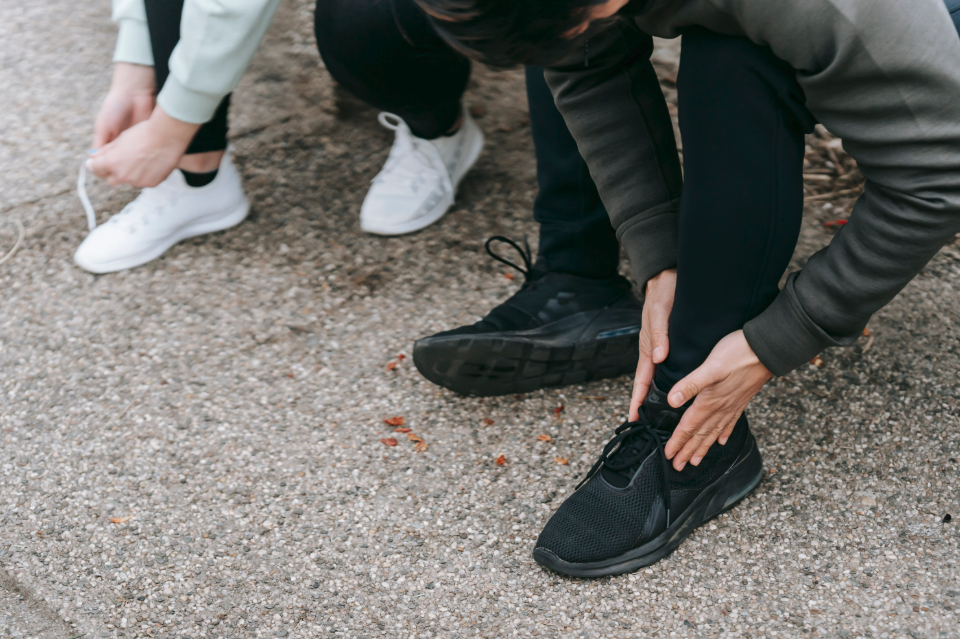
Our feet carry us through almost everything we do. From walking around the house to working, shopping or going out with friends, they are under pressure for many hours each day. Yet footwear is often chosen mainly for its appearance.
The right shoes can make everyday movement feel much more comfortable. Good support, cushioning and fit can help your feet feel more at ease, especially when you spend a lot of time standing or walking.
Why Foot Support Matters
Each foot has bones, joints, muscles and ligaments that work together when you move. Your feet also help support your body weight and keep you balanced.
Shoes that do not provide enough support may leave your feet feeling tired or uncomfortable. This can be more noticeable after a long day on your feet.
Supportive footwear is designed to give the foot a more stable base. It can also provide cushioning in areas that deal with pressure during walking.
Signs Your Shoes May Not Be Giving Enough Support
It is easy to keep wearing the same pair of shoes without thinking much about them. However, shoes can lose their shape and cushioning over time.
Some common signs that it may be time to look at your footwear include:
-
Your feet feel tired after walking or standing
-
The soles of your shoes have worn unevenly
-
Your shoes feel too tight or too loose
-
Your heel moves around inside the shoe
-
The cushioning feels flat
-
Your toes feel crowded
-
You regularly want to take your shoes off for relief
These signs do not always mean there is a foot problem. Sometimes, the shoes simply may not be the right fit for your feet or daily activities.
What to Look for in Supportive Shoes
Not every supportive shoe is the same. Comfort can depend on your foot shape, lifestyle and the amount of time you spend on your feet.
Good Arch Support
The arch is an important part of the foot. A shoe with suitable arch support can help provide a stable and comfortable base while you walk.
People have different arch shapes, so the same shoe may not feel right for everyone. The aim is to find support that feels comfortable rather than hard or restrictive.
Enough Room for Your Toes
Your toes need space to sit naturally inside the shoe. A narrow toe area can make your feet feel cramped, particularly after several hours of wear.
Look for shoes that allow your toes to move without rubbing against the sides or front.
Comfortable Cushioning
Cushioning helps soften the impact between your feet and the ground. This can be particularly useful if you walk on hard surfaces or stand for long periods.
However, very soft shoes are not always more supportive. A balance between cushioning and stability is usually more practical for everyday wear.
Where Orthotic Footwear Fits In
Some people need more support than they can get from basic everyday shoes. This is where orthotic footwear may be worth considering.
This type of footwear is designed with foot support and comfort in mind. Features may include built-in arch support, cushioning, a supportive heel area and a shape that allows the foot to sit more naturally.
It can be useful for people who spend many hours standing, walk regularly or simply want footwear with added support.
The most important thing is finding shoes that suit your individual feet. A supportive design should still feel comfortable and fit properly.
Choosing Shoes for Your Daily Routine
Think about what you normally do before buying new footwear. Someone who sits at a desk for most of the day may have different needs from someone who works on their feet.
For Long Days at Work
If you stand or walk for much of your working day, look for shoes with good cushioning and a stable sole. The shoes should also fit securely without squeezing your feet.
For Everyday Walking
Walking shoes should feel comfortable from the start. They should support your feet while still allowing natural movement.
Try walking around in the shoes before deciding whether they are right for you.
For Casual Wear
Support does not have to be limited to work or exercise shoes. Everyday footwear can also include supportive features.
Choosing comfortable shoes for regular errands, social outings and weekends can help give your feet consistent support throughout the week.
Getting the Fit Right
Even a well-designed shoe will not feel comfortable if the size is wrong. Your feet can also change over time, so it is worth checking your shoe size rather than relying on what you have always worn.
When trying on shoes, check that your heel feels secure and your toes have enough room. Walk around and notice whether there is rubbing, slipping or pressure.
It can also help to try shoes later in the day, as feet may become slightly larger after hours of standing and walking.
Replace Shoes When They Wear Out
A favourite pair of shoes can be hard to give up, but footwear does not last forever. The sole, cushioning and supportive parts gradually wear down.
Check your shoes regularly for worn soles, damaged heels or flattened cushioning. Replacing heavily worn footwear can help you maintain the level of comfort and support you originally chose the shoes for.
Conclusion
Comfortable footwear can make a noticeable difference to everyday life. Paying attention to fit, cushioning, arch support, toe space and stability can help you choose shoes that better suit your routine. If you are looking for supportive footwear designed with everyday foot comfort in mind, Archline Footcare offers options for different needs and lifestyles.
Meta Description: Find out what makes supportive footwear comfortable, from arch support and cushioning to fit, toe room and features suited to everyday walking and work.

 English
 Arabic
 French
 Spanish
 Portuguese
 Deutsch
 Turkish
 Dutch
Dutch
 Italiano
 Romaian
 Portuguese (Brazil)
 Greek
Greek
 Bengali