


12 In Subwoofer Box: Bring Deeper, Cleaner Bass to Your Vehicle With a Space-Saving Enclosure
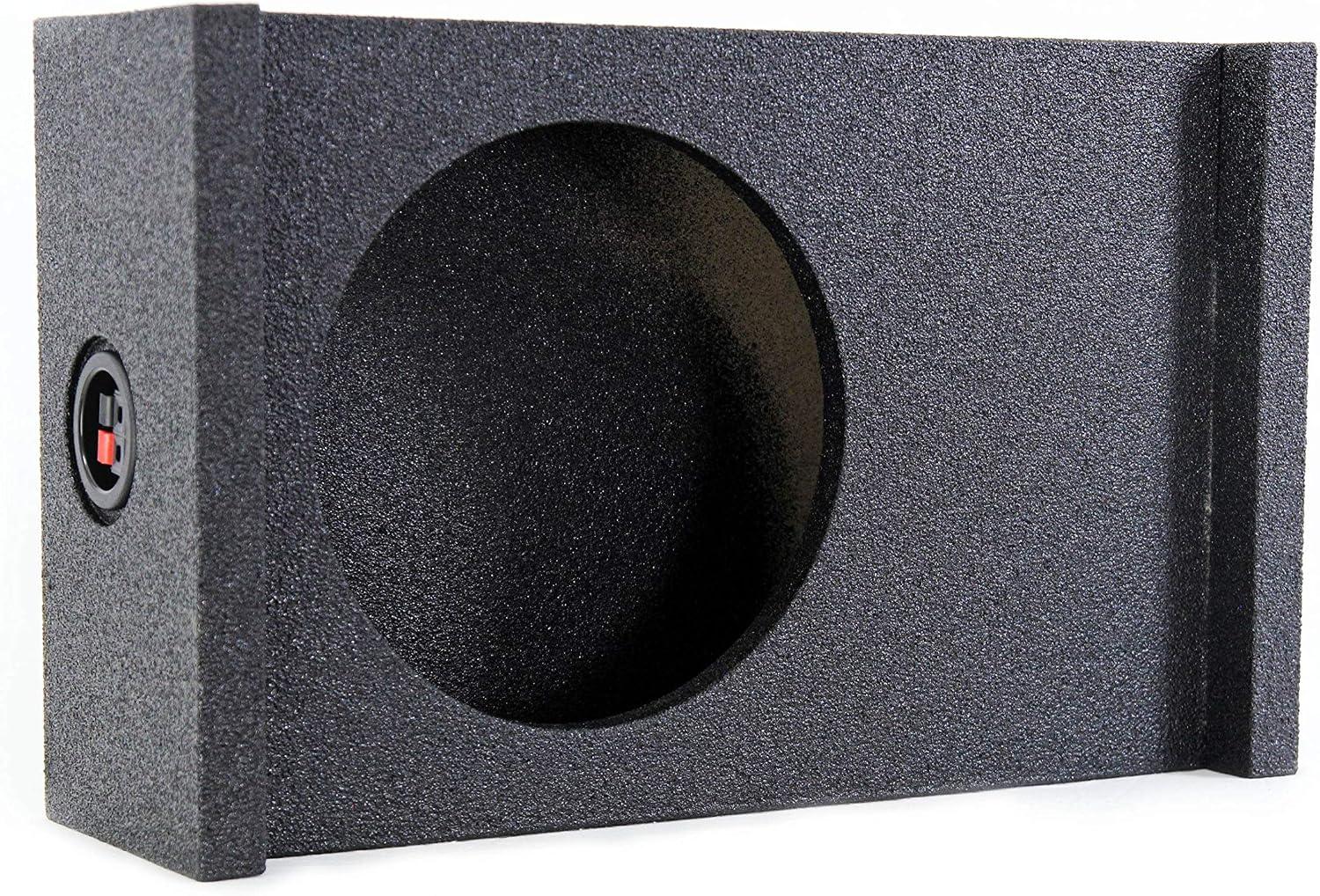
A 12 in subwoofer box can transform the low-frequency character of a vehicle audio system without requiring an oversized installation. The enclosure gives a 12-inch subwoofer a controlled environment to operate in, helping it produce deeper bass with greater definition and consistency. For drivers who want a noticeable upgrade while preserving valuable cabin or cargo space, a well-designed enclosure can offer an effective balance between bass performance and practicality.
A subwoofer does not work independently from its enclosure. The cabinet influences how the driver moves, how efficiently it produces low frequencies, and how those frequencies interact with the vehicle's interior. Choosing the right combination of woofer, enclosure volume, construction, and amplifier can make the difference between bass that sounds controlled and bass that simply becomes overpowering.
The best installations are also designed around everyday use. Whether the enclosure is going into a sedan, SUV, pickup truck, or another vehicle, the available space, mounting location, wiring, and surrounding components should all be considered before the system is installed.
Why the Enclosure Matters
The enclosure creates the acoustic environment in which the subwoofer operates. Without an appropriate enclosure, the driver may not perform according to its intended design.
Sealed boxes use an enclosed air chamber to help control cone movement, while ported designs use a tuned opening to influence the low-frequency response. Each approach has its own characteristics, and the ideal choice depends on the subwoofer, available space, desired bass response, and overall system goals.
For many vehicle owners, the enclosure is also a practical component. It needs to fit the vehicle securely while leaving enough room for passengers, cargo, storage, and other equipment.
Match the Box to the Subwoofer
Not every 12-inch subwoofer has identical requirements. Two drivers with the same physical diameter can call for significantly different enclosure volumes and installation specifications.
Before selecting a box, check the subwoofer manufacturer's recommended enclosure volume, mounting depth, cutout dimensions, impedance, and power requirements. These details help determine whether the enclosure and driver are genuinely compatible.
A good match allows the subwoofer to operate within the acoustic environment for which it was designed. It also reduces the need for modifications that can compromise the enclosure's structural or acoustic properties.
Understanding Internal Volume
The outside dimensions of a box do not tell you how much usable air space exists inside it. Cabinet wall thickness, bracing, the subwoofer itself, and other internal components all occupy space.
Internal volume is especially important because the air inside the enclosure interacts with the subwoofer's movement. Changing that volume can change the driver's response, so it should be selected according to the manufacturer's recommendations whenever possible.
This is one reason a properly engineered enclosure can be more useful than simply choosing the largest box that happens to fit inside the vehicle.
The Appeal of a 12-Inch Setup
A 12-inch subwoofer occupies a practical position in the world of vehicle audio. It can deliver substantial low-frequency output while remaining easier to package than some larger multi-driver configurations.
For a daily driver, that balance can be particularly valuable. You may want bass that adds depth to music without sacrificing trunk space or turning the cabin into a dedicated audio installation.
The final enclosure dimensions still need to be considered carefully. A space-saving design should account for seat movement, cargo access, wiring routes, ventilation, and nearby vehicle components.
Build Quality Supports Better Results
A subwoofer creates physical movement, and the enclosure needs to handle the resulting vibration. Excessive cabinet flex can reduce efficiency and introduce unwanted mechanical noise.
Strong panels, secure joints, appropriate reinforcement, and a solid mounting surface help create a stable platform for the driver. The goal is not simply to make the box heavy; it is to create a rigid and durable cabinet that can withstand repeated use.
Vehicle conditions make durability particularly important. Temperature changes, road vibration, bumps, and everyday handling can all place additional stress on the enclosure over time.
Sealed Construction Requires Attention to Detail
If you choose a sealed design, maintaining an airtight enclosure is essential. Air escaping through cabinet joints, terminals, or the subwoofer mounting surface can affect the behavior of the system.
The woofer should sit firmly against its mounting surface, while cabinet seams should be constructed securely. Terminal connections should also be properly installed to avoid unwanted air leakage or electrical problems.
These details may seem minor, but they help preserve the enclosure's intended acoustic characteristics.
Getting the Amplifier Right
The amplifier should be selected around the subwoofer's electrical requirements rather than simply choosing the highest available power rating.
Consider the driver's impedance, recommended power range, and the amplifier's output capabilities. Gain should then be adjusted appropriately rather than being used as a substitute for proper system tuning.
A correctly matched amplifier allows the subwoofer to produce strong bass while reducing the risk of clipping, excessive heat, or unnecessary stress on the driver.
Bass Needs to Blend With the Cabin
Vehicle interiors create a unique acoustic environment. Glass, seats, carpeting, panels, and the overall shape of the cabin can influence how low frequencies are perceived.
This makes enclosure placement important. A position that sounds excellent in one vehicle may produce a different response in another. Experimenting with practical placement options can help identify the position that integrates best with the listening area.
Regardless of location, the enclosure should be secured properly. A box that moves during driving can create rattles, damage wiring, or become a safety concern.
Managing Rattles After Installation
More bass can reveal weaknesses that were not obvious with the factory system. Door panels, trunk trim, license plates, plastic components, and loose hardware may begin vibrating when exposed to stronger low-frequency energy.
Rather than reducing the subwoofer's performance immediately, identify the source of the unwanted noise. Targeted sound-deadening treatment can help control problematic panel vibration in appropriate areas.
This approach can make the entire system sound cleaner because the listener hears more of the music and less of the vehicle's mechanical response to the added bass.
Space-Saving Does Not Mean Cutting Corners
When space is limited, every design decision becomes more important. The enclosure should be large enough to satisfy the subwoofer's requirements while remaining practical for the vehicle.
Consider how the box affects everyday activities. Can the trunk still be used? Do seats move freely? Are important storage areas blocked? Is the amplifier adequately ventilated? Can the wiring be inspected or serviced when necessary?
Answering these questions before installation helps create an audio upgrade that remains useful long after the initial excitement of adding bass has passed.
Installation and Wiring Considerations
A clean installation protects both the equipment and the vehicle. Speaker and power wiring should be routed away from sharp edges, moving components, excessive heat, and areas where cables could become pinched.
The enclosure should be mounted securely, and all electrical connections should be appropriate for the system. Amplifiers should have adequate ventilation, while cables should be protected and organized rather than left loose around the vehicle.
It is also worth checking the enclosure and connections periodically. Vehicle vibration can gradually loosen hardware, so a quick inspection can help prevent avoidable problems.
Tune for Clean, Useful Bass
Once the hardware is installed, tuning determines how effectively the system works together. Crossover settings, gain, phase, and equalization can all influence the final presentation.
The objective should be balance. A subwoofer should add depth and impact without overwhelming vocals, guitars, drums, or other important elements of the music.
Different music styles may also reveal different characteristics of the system. A properly tuned enclosure should provide enough low-frequency presence for bass-heavy tracks while remaining controlled during more detailed recordings.
Make the Most of a 12-Inch Enclosure
A 12-inch system can provide a substantial improvement in a vehicle's audio experience without requiring a massive installation. Its success, however, depends on more than choosing a driver and placing it inside a box.
The enclosure should be compatible with the subwoofer, appropriately sized, structurally sound, properly sealed when required, and securely installed. Amplifier selection, wiring, placement, cabin acoustics, vibration control, and final tuning all contribute to the result.
When these elements are considered together, a 12 in subwoofer box can deliver the deeper, cleaner bass many vehicle owners want while keeping the installation practical. The result is not simply more sound—it is a better-integrated low-frequency foundation that adds weight and dimension to the entire audio system.

 English
 Arabic
 French
 Spanish
 Portuguese
 Deutsch
 Turkish
 Dutch
Dutch
 Italiano
 Romaian
 Portuguese (Brazil)
 Greek
Greek
 Bengali