


On Your Feet All Day? Here's How to Prevent Work-Related Foot Pain
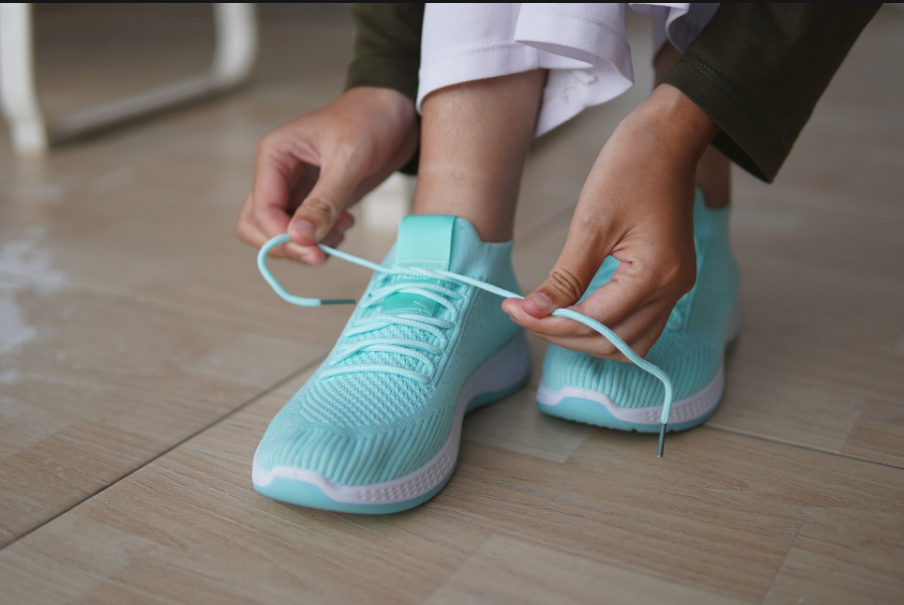
Long shifts on hard floors can leave your feet aching by the end of the day. Nurses, retail staff, tradies, hospitality workers and teachers all know this feeling far too well.
The good news is that foot pain isn't something you simply have to put up with at work. Small, practical changes, including switching to supportive orthotic footwear, can genuinely improve how your feet feel by knock-off time.
Why Standing Jobs Take a Toll on Your Feet
Standing for hours at a stretch puts constant pressure on the same muscles, joints and tendons, without the natural movement that walking provides. Over time, this repetitive strain can lead to soreness, swelling and fatigue that lingers well after your shift ends.
Hard concrete floors, poor quality footwear and long hours without a break only make matters worse. The body compensates by shifting weight awkwardly, which can eventually affect the knees, hips and lower back as well as the feet themselves.
Spotting the Early Signs of Foot Strain
Foot strain rarely appears out of nowhere. Aching arches, tight calves, tingling toes or a dull heel ache after work are early warning signs worth taking seriously before they develop into something more persistent and harder to shift.
Choose Supportive, Well-Fitted Shoes
Wearing shoes that fit properly and offer genuine arch support is one of the simplest ways to reduce daily strain. Ill-fitting footwear, particularly shoes that are too tight, too loose or completely flat, forces your feet to work harder than they should.
Look for shoes with cushioned soles, a firm heel counter and enough room for your toes to sit naturally. A proper fit, rather than guessing your size, can make a noticeable difference to comfort throughout a long shift.
Take Regular Breaks to Rest Your Feet
Even short breaks throughout a shift can help relieve built-up pressure on your feet. Sitting down for a few minutes, elevating your feet slightly or simply shifting your weight regularly gives overworked muscles a genuine chance to recover.
If your role allows it, try alternating between standing and sitting tasks where possible. Employers are increasingly recognising that scheduled breaks improve comfort and, in turn, support better focus and productivity across a working day.
Stretch Your Feet and Calves Daily
Gentle stretching before and after work helps keep the muscles and tendons in your feet and lower legs flexible. Tight calves are a common contributor to heel pain, so a few minutes of stretching can go a long way toward prevention.
Simple exercises like calf raises, toe curls and rolling a small ball under the arch of your foot are easy to fit into a morning or evening routine. Consistency matters more than intensity when it comes to these habits.
Use Cushioned Mats Where Possible
If you're working at a fixed station, anti-fatigue mats can noticeably reduce the impact of standing on hard surfaces. These mats encourage subtle muscle movement, which helps improve circulation and eases pressure on the feet and legs.
Where mats aren't practical, being mindful of your posture and periodically shifting your stance can offer a similar benefit. Small adjustments throughout the day add up to considerably less strain by the time your shift finishes.
Maintain a Healthy Body Weight
Extra weight places additional pressure on the feet with every single step, which can worsen existing discomfort over time. Maintaining a healthy weight through balanced eating and regular movement helps reduce this ongoing load on your joints.
This isn't about quick fixes or drastic changes. Gradual, sustainable habits tend to have the most lasting impact, both for your feet and for your overall wellbeing during long working days.
Rotate Between Different Pairs of Shoes
Wearing the same pair of shoes every single day means the same pressure points are repeatedly stressed. Rotating between two or more supportive pairs allows the cushioning in each shoe to recover and distributes pressure differently across your feet.
This habit also extends the life of your footwear, since materials get a chance to fully decompress between wears. It's a small change that's easy to build into your routine without much extra thought or effort.
Listen to Your Body and Seek Advice Early
Persistent foot pain that doesn't improve with rest, stretching, or better footwear shouldn't be ignored. Catching problems early often makes treatment simpler and prevents minor discomfort from developing into a more serious, long-term issue.
A podiatrist or physiotherapist can assess your specific concerns and recommend suitable adjustments. Addressing pain early, rather than pushing through it, tends to lead to a much faster and more complete recovery.
Small Steps Toward All-Day Foot Comfort
Preventing work-related foot pain doesn't require a complete overhaul of your routine. Supportive shoes, regular breaks, simple stretches and early attention to warning signs can make standing shifts far more manageable. Businesses like Axign Medical Footwear design footwear with these everyday work challenges in mind, offering one practical option among many for people spending long hours on their feet.

 English
 Arabic
 French
 Spanish
 Portuguese
 Deutsch
 Turkish
 Italiano
 Russian
 Romaian
 Portuguese (Brazil)
 Greek
Greek
 Bengali