


UAE Desert Road Trip Safety Guide: Essential Rules, Vehicle Checks and Emergency Tips
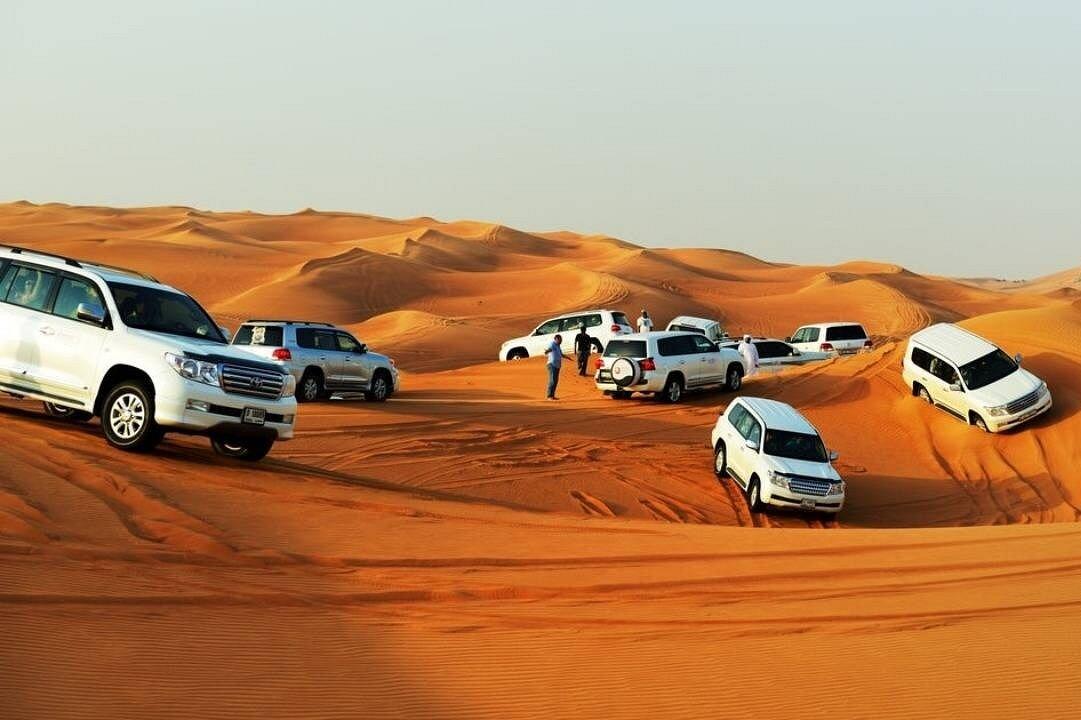
A UAE desert road trip offers a very different driving environment from paved highways. Loose sand, dunes, extreme heat, limited landmarks and changing visibility can quickly turn a normal drive into a recovery situation. This guide explains how to prepare the vehicle, choose suitable routes, drive safely on sand, manage heat and dust, and respond if the vehicle gets stuck or breaks down. The guidance focuses on practical safety measures and official UAE road-safety information.
What Makes Desert Driving Different in the UAE?
Desert driving requires different skills from normal road driving. Sand reduces tyre grip, dunes can hide hazards, and remote areas can make assistance slower to reach.
The Roads and Transport Authority (RTA) specifically provides desert-driving training for drivers who want to develop off-road and sand-dune driving skills. Its Desert Driving Institute focuses on skills such as understanding desert terrain, avoiding getting stuck and using suitable vehicles and equipment.
The RTA's light motor vehicle handbook also warns that sand reduces tyre grip and can make it harder to identify the edge of a road.
For this reason, a desert trip should start with preparation rather than simply choosing a destination and driving into the sand.
Check the Vehicle Before Entering the Desert
Vehicle condition becomes particularly important in the UAE's high temperatures. RTA's 2026 summer safety campaign recommends checking tyre condition, tyre pressure, engine oil, coolant, brakes and possible fluid leaks before driving.
Use this checklist before departure:
-
Check all four tyres for cracks, cuts and excessive wear.
-
Check tyre pressure according to the vehicle manufacturer's specifications.
-
Inspect the spare tyre and make sure it is usable.
-
Check engine coolant and oil levels.
-
Confirm that the air-conditioning system works properly.
-
Test the brakes before leaving paved roads.
-
Check headlights, brake lights and indicators.
-
Carry a suitable recovery kit if the vehicle is equipped for off-road driving.
-
Make sure your phone is fully charged.
-
Carry enough drinking water for everyone in the vehicle.
If you are arranging a vehicle for a desert trip, confirm that the vehicle is permitted and suitable for the intended terrain. A vehicle designed primarily for city driving should not automatically be treated as an off-road vehicle.
For trips where the vehicle will remain mainly on paved roads and only reach a desert camp or viewing area, options such as daily car rental in Dubai can provide transport without requiring the driver to use a vehicle beyond its intended conditions. For actual dune driving, however, check the rental company's specific terms and vehicle restrictions before entering sand.
Choose the Right Vehicle for Desert Terrain
A vehicle's drivetrain, ground clearance, tyres and recovery equipment all affect its suitability for sand.
|
Vehicle characteristic |
Why it matters in the desert |
|
Four-wheel drive |
Helps provide traction in loose sand and difficult terrain |
|
Adequate ground clearance |
Reduces the risk of the underside contacting sand |
|
Suitable tyres |
Provide appropriate grip for the intended terrain |
|
Recovery points |
Make recovery easier when properly equipped |
|
Functional cooling system |
Helps manage high temperatures |
|
Full-size spare tyre |
Provides a backup after tyre damage |
A capable SUV rental for desert trips may be appropriate when the rental agreement allows off-road use and the vehicle is properly equipped. Do not assume that every SUV is designed for dune driving. A premium road-oriented SUV can have different limitations from a purpose-built off-road vehicle.
Prepare for Extreme UAE Heat
Heat affects both people and vehicles. RTA advises motorists to inspect cooling systems, fluids, tyres and brakes during periods of high temperature because summer conditions place additional demands on vehicles.
Carry:
-
Plenty of drinking water
-
Sun protection
-
A charged mobile phone
-
Portable power bank
-
First-aid supplies
-
Food or high-energy snacks
-
Appropriate clothing
-
Recovery equipment where appropriate
Do not rely entirely on air conditioning as your emergency plan. A mechanical failure in a remote area can leave occupants exposed to high temperatures.
Tell Someone About Your Route
Share your planned route with someone who is not travelling with you.
Provide:
-
Your departure point.
-
Your intended desert area.
-
The approximate return time.
-
The vehicle details.
-
The number of people travelling.
-
A contact number.
Avoid entering remote areas without knowing where you are going. Desert landmarks can look similar, and navigation becomes more difficult after sunset or during dust conditions.
Use a reliable navigation system and keep your phone charged. Where appropriate, carry an additional navigation method rather than relying on a single device.
Drive According to the Terrain
Sand conditions change considerably across the desert. Firm, compacted surfaces can behave differently from loose sand and steep dunes.
Reduce speed when visibility decreases or the terrain becomes uncertain. Avoid sudden steering, harsh acceleration, and aggressive braking.
When approaching a dune, assess the terrain before committing to the climb. Do not drive over a crest when you cannot see what lies on the other side.
Maintain sufficient distance from other vehicles. This reduces the risk of collision and gives you more time to react if another vehicle becomes stuck or changes direction.
RTA safety guidance also stresses maintaining an appropriate safety distance and taking additional care when conditions reduce visibility.
Avoid Unnecessary Dune Driving
Dune driving requires skills that ordinary road driving does not provide.
If you have never driven on dunes, consider professional desert-driving training before attempting it. RTA's Desert Driving Institute specifically provides practical training for drivers who want to develop off-road and sand-dune skills.
Do not copy the driving techniques of experienced desert drivers without understanding how the vehicle, terrain, and recovery equipment work.
For a normal sightseeing trip, staying on established roads and designated access routes can substantially reduce unnecessary risk.
What to Do If the Vehicle Gets Stuck in Sand
A common mistake is repeatedly accelerating when the vehicle starts losing traction. Spinning the wheels can dig the tyres deeper into loose sand.
Instead:
-
Stop accelerating aggressively.
-
Keep the vehicle stable.
-
Assess the direction of the vehicle.
-
Check whether the tyres have sunk into loose sand.
-
Use appropriate recovery equipment if you have the knowledge to do so.
-
Ask for professional recovery assistance when the situation exceeds your equipment or experience.
Do not place yourself underneath an unsupported vehicle. Do not attempt a recovery procedure that you do not understand.
Take Extra Care During Dust and Reduced Visibility
Dust can reduce visibility quickly. RTA recommends reducing speed during dusty conditions, taking care when changing lanes and ensuring that headlights work properly. It also advises drivers to close the windows and use the air conditioning during dust conditions.
If visibility becomes seriously restricted, prioritize safety over maintaining your planned schedule.
Avoid stopping in an unsafe position where another vehicle could collide with you. If you need to stop, choose a safe location and make the vehicle visible to others.
Check Weather Conditions Before Departure
Desert conditions can change quickly. Check official weather information before leaving and monitor warnings during the trip.
The UAE's National Early Warning System distributes warnings about dangerous weather conditions through authorized government entities, including the Ministry of Interior and police forces in the emirates.
Do not enter areas affected by severe weather simply because the route was safe earlier in the day.
Rain creates an additional hazard because desert surfaces can become difficult to navigate, while flash flooding can pose a serious risk. UAE road-safety guidance warns against dangerous driving in flood conditions.
Keep Essential Emergency Equipment
A desert vehicle should carry equipment that supports basic roadside problems and communication.
Useful equipment includes:
-
Drinking water
-
First-aid kit
-
Flashlight
-
Power bank
-
Recovery straps and suitable recovery equipment
-
Tyre repair equipment
-
Spare tyre
-
Air compressor where appropriate
-
Basic tools
-
Reflective warning equipment
-
Food and emergency supplies
The exact recovery equipment should match the vehicle and the driver's training. Carrying equipment without knowing how to use it does not make a recovery operation safe.
Know the UAE Emergency Numbers
If an emergency occurs, provide your location clearly and follow instructions from emergency services.
For road accidents and emergencies, the UAE Government advises calling 999 for police assistance and providing your location.
Keep your phone accessible and conserve battery if you are in an isolated area.
Desert Driving Checklist
Use this quick checklist before leaving:
Vehicle
-
Tyres checked
-
Spare tyre available
-
Oil and coolant checked
-
Brakes checked
-
Lights working
-
Air conditioning working
People
-
Water packed
-
First-aid kit available
-
Phones charged
-
Route shared with another person
-
Emergency contacts available
Route
-
Weather checked
-
Navigation prepared
-
Terrain understood
-
Return time planned
-
Fuel range sufficient
Driving
-
Reduce speed when conditions require it
-
Maintain distance from other vehicles
-
Avoid blind dune crests
-
Avoid aggressive acceleration
-
Stop if conditions become unsafe
Final Safety Principles for UAE Desert Road Trips
Safe desert driving starts before the vehicle leaves the paved road. Check the vehicle, understand the terrain, prepare enough water and emergency equipment, monitor weather conditions and avoid driving beyond your experience.
The most important principle is to match the vehicle and route to the driving conditions. A vehicle suitable for a highway trip is not automatically suitable for dunes or loose sand. RTA's dedicated desert-driving training also reflects the importance of developing specific off-road skills rather than relying solely on a standard driving licence.
For visitors planning a desert-area road trip without intending to drive on dunes, a properly maintained weekly car rental in Dubai can provide practical transport for a longer itinerary, while the vehicle should still be used only within the rental agreement and its intended operating conditions.
Sources: RTA, UAE Government road-safety guidance and RTA desert-driving information. The safety recommendations above should not replace professional desert-driving training or instructions from local authorities.

 English
 Arabic
 French
 Spanish
 Portuguese
 Deutsch
 Turkish
 Dutch
Dutch
 Russian
 Romaian
 Portuguese (Brazil)
 Greek
Greek
 Bengali