


Why MSMEs Should Plan Machinery Upgrades Before Making the Purchase
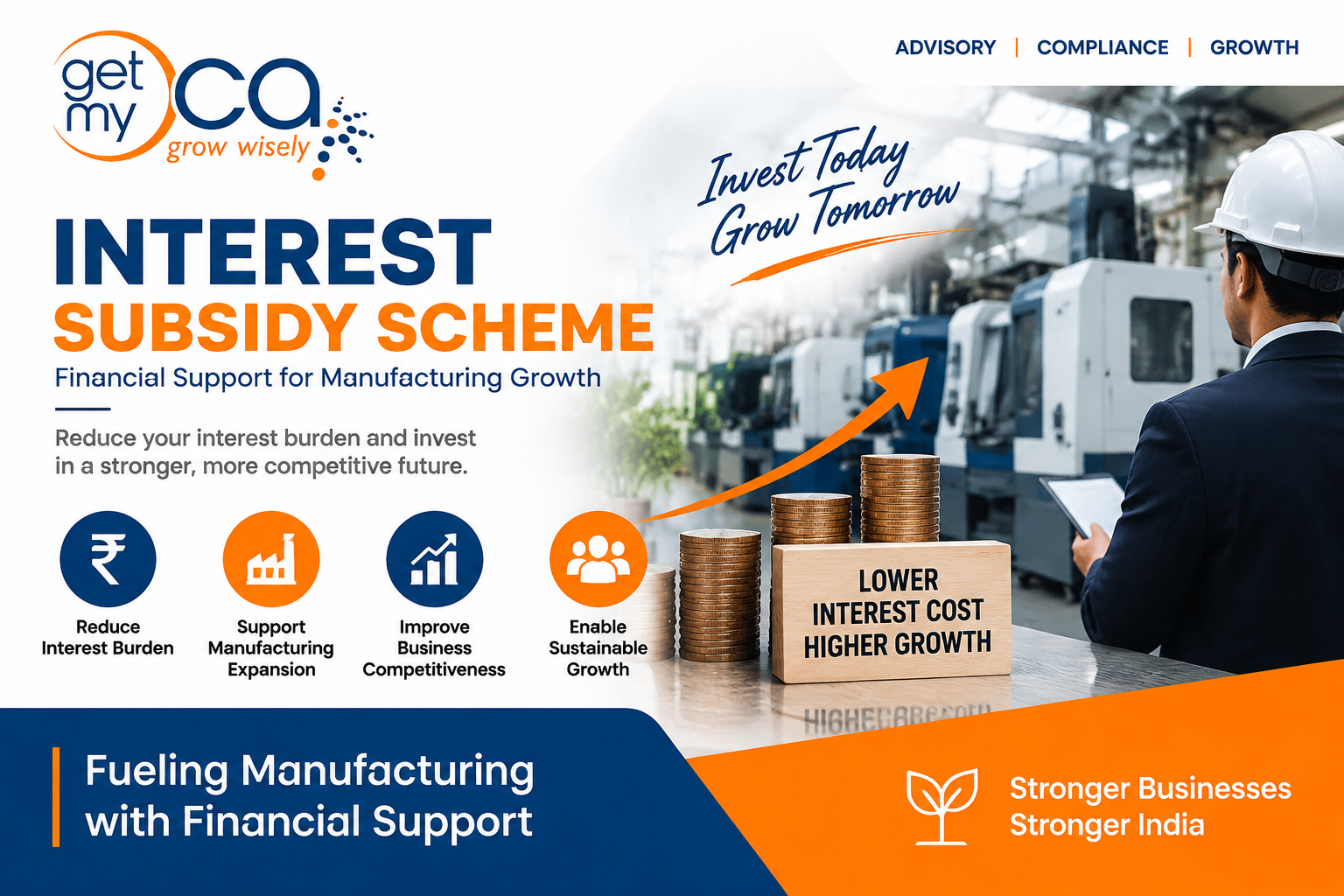
Replacing old machinery can be a good step for a growing manufacturing business. New equipment may improve production, reduce breakdowns and lower energy consumption.
But machinery upgrades can also involve a large investment. Before placing an order, MSMEs should look at the full cost of the project and understand how the purchase may affect cash flow, taxes and operating expenses.
First Check Why the Machinery Needs to Be Replaced
A business should not upgrade equipment simply because a newer model is available.
There should be a clear reason for the investment.
For example, the existing machine may:
- Consume too much electricity
- Require frequent repairs
- Limit production capacity
- Produce inconsistent output
- Create unnecessary downtime
- No longer meet current production requirements
Once the reason is clear, it becomes easier to compare suitable alternatives.
Energy Cost Can Make a Big Difference
The purchase price is only one part of machinery cost.
A machine will continue consuming electricity for several years, so even a small difference in energy use can affect the long-term cost of production.
MSMEs considering more efficient equipment can review ADEETIE opportunities for MSME machinery modernisation while preparing their upgrade plan.
Any applicable support should be reviewed along with the commercial benefits of the machinery rather than treated as the only reason for making the purchase.
GST Should Also Be Reviewed Before Buying Equipment
Machinery purchases can involve a significant GST amount, which may affect working capital.
Manufacturers should understand how GST treatment applies to the proposed transaction and whether any refund-related provisions may be relevant to their particular situation.
Reviewing GST considerations for machinery and capital goods purchases before the transaction can help businesses understand the documentation and tax treatment connected with the investment.
The exact position can depend on the nature of the transaction and the applicable GST provisions, so businesses should avoid assuming that every machinery purchase automatically results in a refund.
Compare the Total Cost of Ownership
Before choosing between two machines, manufacturers should compare more than the quoted price.
Important factors include:
- Purchase cost
- Electricity consumption
- Installation expenses
- Maintenance cost
- Production capacity
- Expected useful life
- Financing expenses
- Availability of spare parts
A slightly more expensive machine may sometimes be more economical if it uses less power and requires fewer repairs.
Keep the Paperwork Organised
Documentation should begin from the quotation stage itself.
Businesses should keep:
- Supplier quotations
- Purchase orders
- Tax invoices
- Payment records
- Technical specifications
- Installation documents
- Financing papers
- GST-related records
Maintaining proper records from the beginning can make later accounting, tax and scheme-related reviews much easier.
Think About the Payback Period
Before investing, management should estimate how long it may take to recover the cost of the machinery.
The calculation can include expected production gains, lower energy expenses, reduced maintenance and financing costs.
This gives the business a more practical view of whether the upgrade makes financial sense.
Final Thoughts
Machinery modernisation can support the long-term growth of an MSME, but good planning should come before the purchase.
Businesses should compare production needs, energy use, taxation, financing and total operating costs before committing funds.
A careful review at the planning stage can help manufacturers choose equipment that fits both their operational needs and their budget.

 English
 Arabic
 French
 Spanish
 Portuguese
 Deutsch
 Turkish
 Dutch
Dutch
 Russian
 Romaian
 Portuguese (Brazil)
 Greek
Greek
 Bengali