


Bridging Proteomics and Genomics: The Engineering and Application of Antibody-Oligonucleotide Conjugates
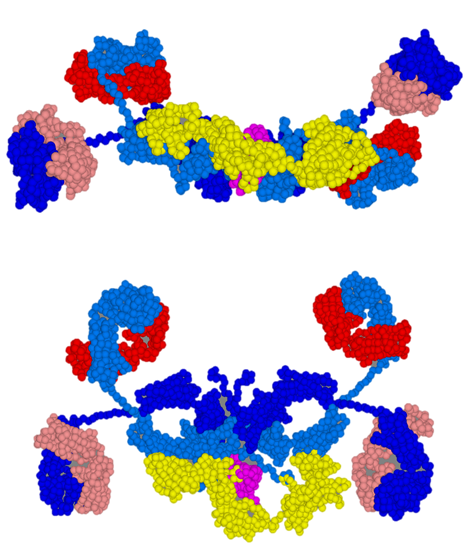
Antibody-oligonucleotide conjugates (AOCs) represent a rapidly expanding class of chimeric molecules that merge the precise target recognition of monoclonal antibodies with the functional, structural, or amplifiable properties of nucleic acids. By combining these two distinct biological macromolecules, researchers are unlocking unprecedented capabilities in both targeted therapeutics—such as the targeted delivery of siRNA or antisense oligonucleotides (ASOs)—and ultra-sensitive multiplexed diagnostics.
Navigating the Complexity of AOC Engineering
Developing an effective AOC is fundamentally different from traditional antibody-drug conjugate (ADC) manufacturing. Nucleic acids are highly charged, hydrophilic macromolecules, whereas traditional cytotoxic payloads are small, hydrophobic molecules. This fundamental difference drastically alters the pharmacokinetics, biodistribution, and aggregation propensity of the resulting conjugate.
Because the structural integrity of both the protein and the nucleotide must be preserved simultaneously during conjugation, researchers often collaborate with specialized contract research organizations. Industry-leading facilities such as Creative Biolabs offer comprehensive antibody-oligonucleotide conjugates (AOC) development services to manage the demanding quality control, purification, and characterization processes required to produce viable chimeras. The development pipeline typically requires rigorous optimization of the antibody-to-oligonucleotide ratio (AOR) to prevent steric hindrance while maximizing functional efficacy.
Ensuring Stability Through Advanced Conjugation Chemistry
The utility of an AOC relies heavily on the stability of the linkage connecting the antibody to the oligonucleotide. While non-covalent interactions, such as biotin-streptavidin affinity, are useful for rapid prototyping in early-phase research, they lack the thermodynamic stability required for in vivo applications or rigorous biological assays.
To achieve robust, reproducible performance, bioconjugation scientists rely exclusively on covalent approaches for AOC preparation. Establishing a covalent bond ensures that the conjugate remains intact under physiological conditions and stringent assay washes. Standard covalent strategies include:
Thiol-Maleimide Chemistry: This classic approach involves reducing the disulfide bonds of the antibody to expose free thiols, which then react with maleimide-modified oligonucleotides. It is highly efficient but can result in heterogeneous mixtures.
Amine-Directed Conjugation: Utilizing NHS-ester functionalized oligonucleotides to react with primary amines on lysine residues. While chemically straightforward, the high abundance of lysines across an antibody makes site-specificity challenging.
Click Chemistry (CuAAC and SPAAC): Azide-alkyne cycloadditions offer exceptional bioorthogonality and high yields. Strain-promoted azide-alkyne cycloaddition (SPAAC) is particularly favored as it eliminates the need for cytotoxic copper catalysts, preserving biological function.
Enzymatic Conjugation: Emerging techniques use enzymes like Sortase A or microbial transglutaminase (MTGase) to attach oligonucleotides at precise, genetically engineered sites, resulting in highly homogenous products.
Transforming Protein Biomarker Discovery with PEA
While therapeutic AOCs are making strides in targeted gene silencing, diagnostic AOCs have already revolutionized the field of spatial biology and proteomics. The most prominent analytical technique leveraging these molecules is the Proximity Extension Assay (PEA).
PEA addresses the primary limitation of traditional multiplexed ELISAs: antibody cross-reactivity. In a highly multiplexed environment, non-specific binding generates severe background noise. Utilizing customized AOC for proximity extension assay (PEA) elegantly solves this problem by translating protein recognition into a DNA sequence that can be amplified.
The PEA workflow operates on a strict dual-recognition mechanism:
Two distinct AOCs, each carrying a complementary single-stranded DNA oligonucleotide, are introduced to the sample.
Both AOCs must bind to adjacent epitopes on the exact same target protein.
Only when brought into close physical proximity by binding the target will the attached DNA strands hybridize.
A DNA polymerase extends the hybridized strands, creating a novel, double-stranded DNA barcode.
This barcode is subsequently amplified and quantified using quantitative PCR (qPCR) or Next-Generation Sequencing (NGS).
This requirement for dual, simultaneous binding combined with PCR amplification yields remarkable specificity and sensitivity. Background noise from unbound antibodies is effectively eliminated, as single unbound oligonucleotides cannot hybridize and amplify on their own.
The fusion of immunology and molecular biology through AOCs continues to dissolve the historical boundaries between protein and genomic research. As conjugation chemistries become more sophisticated and site-specific, the purity and efficacy of these chimeras will increase. Whether delivering precise genetic payloads to diseased tissues or uncovering trace biomarkers in complex biological fluids, the continued refinement of antibody-oligonucleotide engineering ensures these hybrid molecules will remain at the forefront of biomedical innovation.

 English
 Arabic
 French
 Spanish
 Portuguese
 Deutsch
 Turkish
 Dutch
Dutch
 Russian
 Romaian
 Portuguese (Brazil)
 Greek
Greek
 Bengali