


Bone Marrow Transplant cast in India: Treatment, Care, and What International Patients Should Know
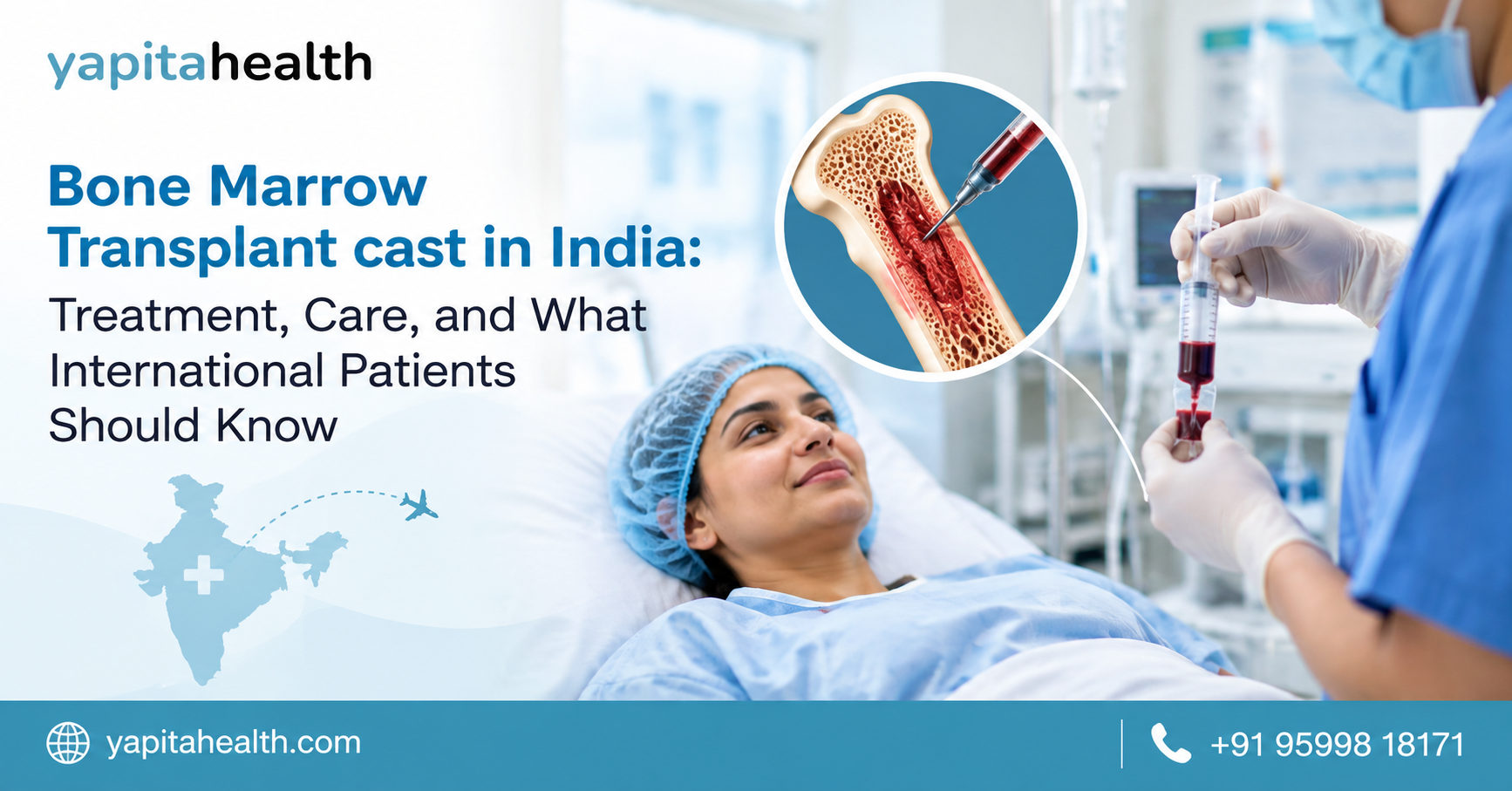
For patients with certain blood cancers and serious blood or immune-system disorders, a bone marrow transplant can be an important part of treatment. Understanding Bone Marrow Transplant cost in India is one of the first steps for international patients, but cost alone should not determine where treatment is received. Medical expertise, transplant facilities, infection-control practices, supportive care, and follow-up services are equally important when planning treatment abroad.
India has developed a broad healthcare infrastructure that includes hospitals with dedicated hematology and bone marrow transplant departments. Patients considering treatment can compare hospitals, transplant teams, treatment approaches, and expected expenses before making a decision.
Understanding Bone Marrow Transplant Treatment in India
A bone marrow transplant, also known as a hematopoietic stem cell transplant, replaces damaged or diseased blood-forming stem cells with healthy stem cells. Depending on the patient's condition, the transplant may use the patient's own cells or cells from a suitable donor.
Medical Expertise and Transplant Planning
Bone marrow transplantation requires careful evaluation before treatment begins. Doctors may review the patient's diagnosis, previous treatments, overall health, organ function, and suitability for transplantation.
For donor-based transplants, matching and donor availability are also important considerations. A multidisciplinary team may include hematologists, transplant specialists, nurses, laboratory professionals, infection-control teams, and other supporting specialists.
International patients should ask the hospital about the experience of the transplant team, the type of transplant recommended, required tests, and the expected treatment timeline.
Hospital Facilities and Treatment Quality
The hospital environment plays an important role in transplant care. Patients may require specialized rooms, close monitoring, blood and platelet support, diagnostic testing, and access to critical care if complications occur.
Hospitals treating transplant patients generally need systems for infection prevention and rapid management of problems such as infections, low blood counts, or reactions related to treatment. Patients should review the facilities available at the hospital rather than relying only on advertised treatment packages.
Understanding Treatment Expenses
The overall expense of a transplant can vary considerably from one patient to another. Factors may include the type of transplant, medicines, diagnostic tests, donor-related procedures, length of hospital stay, supportive treatment, and management of complications.
The quoted hospital package may not always represent every possible expense. International patients should request a detailed estimate and clarify what is included, what may be charged separately, and how additional treatment will be handled if the patient's clinical needs change.
City-Wise Bone Marrow Transplant Cost in India
The cost of bone marrow transplant treatment can also differ between Indian cities due to variations in hospital facilities, specialist availability, treatment requirements, and other healthcare expenses. The following table provides an indicative city-wise comparison to help international patients understand the potential cost range.
| City | Price Range (INR) | Price Range (USD) |
|---|---|---|
| Delhi | ₹15,00,000 – ₹43,00,000 | $19,500 – $56,000 |
| Bangalore | ₹13,00,000 – ₹45,00,000 | $15,000 – $55,000 |
| Mumbai | ₹15,00,000 – ₹60,00,000 | $19,000 – $73,000 |
| Gurgaon | ₹16,50,000 – ₹40,00,000 | $20,000 – $48,000 |
| Chennai | ₹12,00,000 – ₹52,00,000 | $14,000 – $62,000 |
| Noida | ₹12,70,000 – ₹33,00,000 | $15,000 – $40,000 |
| Hyderabad | ₹13,20,000 – ₹49,00,000 | $15,500 – $59,000 |
| Kolkata | ₹14,50,000 – ₹34,00,000 | $17,000 – $41,000 |
Please note that the above bone marrow transplant cost represents an average treatment estimate and may not include all related medical expenses. The final cost can vary depending on the type of transplant, patient's condition, medicines, hospital stay, diagnostic tests, donor requirements, and management of complications. Patients should consult the hospital for a personalized treatment plan and cost estimate.
Bone Marrow Transplant Cost in India vs. Other Countries
For international patients, comparing treatment costs across countries can help when planning a medical journey. Bone marrow transplant expenses can differ based on healthcare infrastructure, treatment protocols, hospital facilities, specialist care, medicines, and the patient's individual medical requirements. The table below provides an approximate comparison of costs in selected medical tourism destinations.
| Country | Approximate Cost of Bone Marrow Transplant (USD) |
|---|---|
| India | $10,000 – $45,000 |
| Thailand | $33,000 – $100,000 |
| Turkey | $50,000 – $60,000 |
| United States | $80,000 – $150,000 |
| United Kingdom | $50,000 – $100,000 |
Note: The figures above are approximate ranges for comparison purposes. Actual treatment expenses can vary depending on the type of transplant, patient's medical condition, hospital, medicines, diagnostic tests, length of stay, donor requirements, and management of potential complications. International patients should obtain a personalized quotation from the treating hospital before making travel or treatment arrangements.
Patient Care and Benefits for International Patients
Travelling to another country for a complex treatment requires planning beyond the medical procedure itself. Patients and families may need help coordinating appointments, medical records, accommodation, travel, visas, and communication with healthcare providers.
Personalized Care During the Treatment Journey
Bone marrow transplant patients often need regular monitoring before, during, and after transplantation. A structured care plan can help patients understand the stages of treatment and the follow-up they may require.
Clear communication is especially valuable for international patients. Before travelling, patients should understand which medical documents are required, when consultations will take place, how long they may need to remain near the hospital, and what follow-up arrangements are recommended after returning home.
Support Services for Medical Travellers
International patients may have practical concerns that are separate from their medical treatment. These can include obtaining a medical visa, arranging travel, organizing accommodation, transferring medical records, scheduling consultations, and coordinating communication between the patient and hospital.
Having these arrangements organized in advance can make the healthcare journey easier to manage. Patients should still confirm medical recommendations and treatment decisions directly with their qualified healthcare team.
Coordinating Care with Yapita Health
Yapita Health is a global healthcare and medical tourism platform that connects international patients with hospitals and experienced doctors. It can support treatment planning, online consultations, visa assistance, travel support, and patient care coordination, helping patients organize different parts of their healthcare journey.
Conclusion
Choosing a transplant centre requires more than comparing prices. Patients should consider medical expertise, hospital facilities, supportive services, treatment planning, and follow-up care alongside expected expenses. Careful preparation can help international patients approach treatment in India with greater clarity and confidence.

 English
 Arabic
 French
 Spanish
 Portuguese
 Deutsch
 Turkish
 Dutch
Dutch
 Italiano
 Russian
 Romaian
 Greek
Greek
 Bengali