


Could PRP Revive Your Skin’s Appearance?
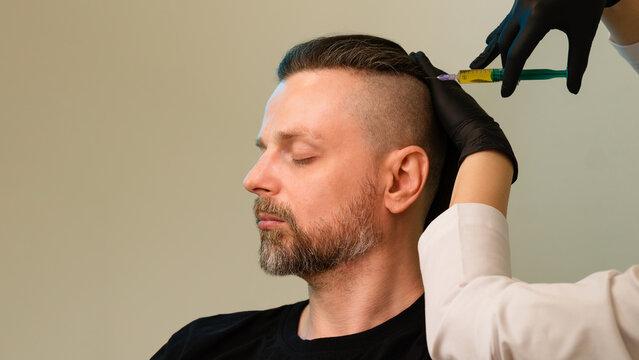
PRP in Islamabad is becoming a widely discussed option for people who want to improve the appearance of their skin through a treatment that uses their own blood-derived components. Platelet-rich plasma, or PRP, contains concentrated platelets and growth factors that are involved in the body’s natural healing processes. In aesthetic care, PRP may be used to support skin renewal and improve the overall quality of the complexion.
Skin naturally changes with age. Factors such as sun exposure, pollution, stress, dehydration, and previous acne can also affect its appearance. Fine lines may become more visible, skin can appear less firm, and the complexion may lose some of its natural freshness. PRP can be considered when the goal is gradual skin rejuvenation rather than a major alteration in facial appearance.
What Is PRP?
PRP is prepared from a small blood sample taken from the patient. The sample is processed to separate the platelet-rich plasma from other blood components. This concentrated plasma contains substances that participate in natural tissue repair.
Once prepared, PRP can be introduced into selected treatment areas using a technique chosen according to the patient’s needs. The purpose is to support the skin’s natural regenerative activity.
For people researching PRP in Islamabad, understanding the treatment process is an important first step before deciding whether it matches their aesthetic goals.
What Makes PRP a Skin-Rejuvenation Option?
PRP focuses on supporting natural biological processes rather than simply covering visible imperfections. The growth factors found in platelet-rich plasma may contribute to processes associated with tissue repair and collagen production.
Collagen helps maintain the structure and firmness of the skin. As collagen production changes with age, skin may gradually develop fine lines and changes in texture. PRP may be incorporated into a treatment plan intended to support these aspects of skin quality.
However, results can vary significantly. PRP should be viewed as a treatment that may provide gradual improvement rather than an instant or guaranteed transformation.
Which Concerns Can PRP Address?
PRP may be discussed for several common skin-quality concerns, including:
- Fine lines and early signs of aging
- Uneven skin texture
- Dull-looking complexion
- Reduced firmness
- Certain acne-related marks
- General skin rejuvenation
- A tired or less refreshed appearance
The suitability of PRP depends on the individual. A professional assessment can help determine whether the treatment is appropriate for a particular concern.
What Happens During a PRP Treatment?
The treatment generally begins with a consultation. The practitioner evaluates the skin and discusses the patient’s expectations and desired areas of improvement.
A small amount of blood is then collected. After processing, the platelet-rich plasma is prepared for treatment. The PRP is subsequently applied or introduced into the selected areas according to the planned technique.
At Enfield Royal Clinic in Islamabad, patients can discuss their concerns and expectations during consultation before proceeding with PRP. This allows the treatment approach to be considered according to the individual rather than using exactly the same plan for every patient.
Does PRP Help With Skin Texture?
Texture is an important part of overall skin appearance. Roughness, unevenness, and visible marks can develop because of several factors, including aging and previous acne.
Because PRP may support collagen-related activity and natural tissue repair, it may contribute to improvements in the appearance of skin texture over time. The degree of improvement depends on the individual’s skin condition and response to treatment.
People considering PRP in Islamabad should understand that skin rejuvenation is generally a gradual process. The final appearance may develop over time rather than immediately following the procedure.
What Is Recovery Like?
PRP can cause temporary reactions such as redness, mild swelling, sensitivity, or tenderness. These effects may vary depending on the treatment area and individual response.
Patients should follow the aftercare instructions provided by their practitioner. Appropriate skincare and protection from excessive sun exposure may be recommended during the recovery period.
Any unusual or persistent reaction should be discussed with the treating healthcare professional.
How Many Treatments May Be Needed?
The number of PRP sessions can differ from one person to another. Some patients may be advised to undergo multiple sessions depending on their skin condition and treatment goals.
A practitioner can recommend an appropriate schedule after assessing the skin. Patients should avoid choosing a treatment frequency solely because it worked for another person, since individual requirements can be different.
Why Is a Consultation Important?
A consultation provides an opportunity to determine whether PRP is appropriate for the patient. The practitioner may discuss previous treatments, current skincare routines, medications, existing skin concerns, and the desired outcome.
This information helps establish realistic expectations and identify potential factors that could affect treatment.
Those considering Enfield Royal Clinic in Islamabad for PRP can use the consultation to ask questions about the procedure, recovery, treatment areas, and expected progression.
Maintaining Your Skin After PRP
Professional treatment is only one part of maintaining healthy-looking skin. Daily skincare habits can also contribute to the overall appearance of the complexion.
Using suitable skincare products, maintaining adequate hydration, protecting the skin from excessive sun exposure, and following professional recommendations can help support general skin health.
It is also useful to remember that lifestyle and genetics influence how skin changes over time. No single treatment can completely stop the natural aging process.
Final Thoughts
PRP offers a personalized approach to skin rejuvenation by using platelet-rich plasma prepared from the patient’s own blood. It may support natural repair processes and collagen-related activity, potentially improving aspects of skin texture, firmness, and overall appearance.

 English
 Arabic
 French
 Portuguese
 Deutsch
 Turkish
 Dutch
Dutch
 Italiano
 Russian
 Romaian
 Portuguese (Brazil)
 Greek
Greek
 Bengali