


Can a Cantilever Bridge Fix One Missing Front Tooth Alone?
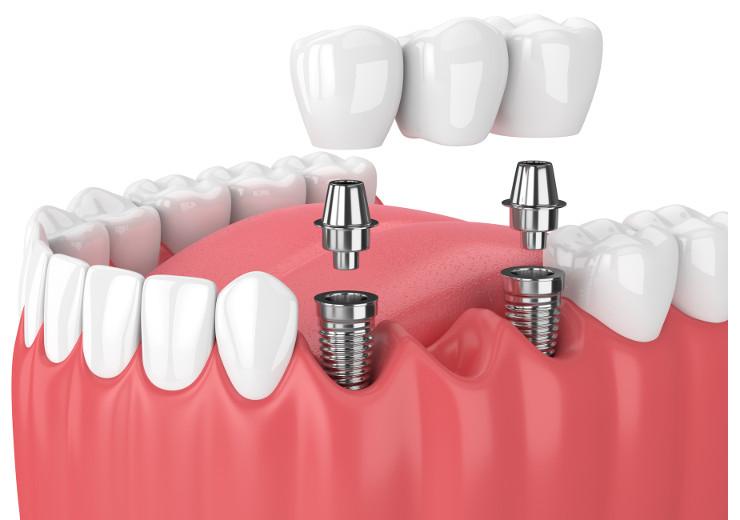
Losing one front tooth can feel surprisingly noticeable. It can affect smiling, speaking, and everyday confidence. A dental bridge for front teeth may replace that missing tooth. However, suitability depends on several important dental factors. Your supporting tooth must remain strong and healthy.
Your bite also needs careful examination before treatment. Your gums should provide enough support around the teeth. Your dentist can assess these factors during consultation. Understanding your options can make decisions feel easier. This guide explains what you should know first.
How Can A Cantilever Bridge Replace One Front Tooth?
A cantilever bridge uses one supporting tooth
A cantilever bridge replaces one missing tooth using support. One nearby tooth provides support for the replacement. This differs from traditional bridges using multiple teeth. The supporting tooth carries important forces during chewing. Therefore, dentists must examine that tooth carefully.
Its strength can affect the bridge's overall stability. Its position can also influence treatment suitability. Healthy gums provide additional support around supporting teeth. Your dentist may use X-rays during evaluation. These images reveal roots and surrounding bone conditions. Careful planning helps create a suitable restoration.
Front teeth can sometimes suit cantilever designs
Front teeth usually experience different forces during chewing. Their visible position also makes appearance especially important. A dental bridge for front teeth can replace one visible tooth. The restoration should match nearby teeth naturally. Your dentist considers color, shape, and overall spacing.
They also examine your existing bite pattern. Certain bite patterns may increase pressure significantly. Grinding can create additional stress around restorations. Your dentist considers these habits before treatment. This helps determine whether cantilever treatment suits you. A personalised evaluation remains important for successful results.
Strong neighbouring teeth provide essential bridge support
The supporting tooth carries pressure from chewing movements. Therefore, that tooth needs sufficient strength beforehand. Large fillings may reduce its available tooth structure. Cracks can also affect its ability to support. Previous root canal treatment may influence assessment. Your dentist reviews these factors during examination.
They may recommend another replacement option instead. This decision protects your long-term oral health. Healthy gums also support better restoration stability overall. Regular dental care keeps supporting structures healthier. Good support remains essential for predictable treatment.
Your bite can influence the bridge's success
Your bite controls how teeth meet during chewing. It also affects forces placed upon restorations. Uneven pressure can create additional stress over time. Front teeth may contact during certain jaw movements. Grinding can further increase pressure around bridges.
Your dentist checks these factors during planning. They may recommend adjustments before placing a restoration. This can reduce unnecessary pressure afterward. Your daily habits can influence bridge longevity. Avoiding damaging habits may protect your restoration. Careful planning supports comfortable everyday function.
What Should You Consider Before Choosing One?
Your natural smile should guide restoration planning
Front teeth remain highly visible during daily conversations. Their replacement should blend naturally with nearby teeth. Color matching helps create a balanced smile appearance. Tooth shape also affects the final visual result. Your dentist studies neighbouring teeth during planning.
They consider spacing, proportions, and gum position. Your natural smile provides useful design guidance. However, every patient's smile has unique characteristics. Your expectations should remain realistic throughout treatment. Clear communication helps avoid unwanted surprises later. Good planning keeps cosmetic goals realistic and achievable.
Healthy gums support better long-term bridge care
Your gums surround the supporting tooth closely. Inflamed gums can create additional dental concerns. Bleeding may indicate existing gum health problems. These concerns should receive attention before treatment. Your dentist can assess your gum health. They may recommend treatment before placing a restoration.
Daily brushing helps maintain healthier gum tissue. Cleaning around bridges also requires careful attention. Your dentist can demonstrate suitable cleaning techniques. Regular checkups help monitor surrounding tissues afterward. Healthy gums remain important for restoration maintenance.
Existing dental work can change your options
Many patients already have fillings or crowns. These restorations can influence bridge treatment planning. Your dentist checks their current condition carefully. Weak restorations may need treatment before bridging. Healthy restorations might provide useful support sometimes.
Previous dental procedures can also affect tooth strength. Your dentist reviews your complete dental history. This information helps create more suitable recommendations. Sharing concerns can improve treatment discussions significantly. You deserve clear explanations before choosing treatment. Understanding your choices makes decisions feel more comfortable.
What Else Should You Know Before Treatment?
A cantilever bridge is not your only option
A dental bridge for front teeth is not the only dental solution. Several treatments can replace one missing front tooth. Dental implants provide another commonly considered solution. Traditional bridges can also replace missing teeth. Partial dentures may suit certain dental situations.
Each option has different benefits and limitations. Your oral health influences which treatment fits. Your supporting teeth also influence the recommendation. Bone and gum conditions may affect implant suitability. Cost and maintenance can influence your decision. Your dentist can compare suitable options clearly. A personalised choice usually works best.
Dental bridges can restore more than appearance
Missing teeth can affect more than smiling. They may change how nearby teeth contact. Teeth can gradually shift toward empty spaces. Your bite may also change after tooth loss. Speech can sometimes feel different after tooth loss. Chewing may become less comfortable or balanced.
Replacing the tooth can support everyday function. It can also restore a more complete smile. Your dentist considers function alongside cosmetic concerns. This creates a more comprehensive treatment approach. The goal remains comfortable, useful dental function.
Proper maintenance can protect your restoration
Your bridge needs regular care after placement. Brushing remains important for surrounding natural teeth. Cleaning beneath the replacement tooth also matters. Plaque can collect around supporting teeth easily. Your dentist can recommend suitable cleaning methods. Flossing tools may help reach difficult areas.
Regular examinations help monitor bridge condition. They also check supporting teeth and gums. Avoiding hard biting habits can reduce unnecessary stress. Grinding may require additional protective measures sometimes. Consistent care supports better long-term restoration health.
Conclusion
A cantilever bridge can replace one missing tooth. However, every patient needs an individual dental assessment. Your supporting tooth must provide sufficient strength. Your bite and gums also require careful review. Appearance matters greatly with visible front teeth.
Other replacement options may suit your needs better. A detailed consultation can clarify those choices. Nikahd Dental can assess your missing tooth. Their team can explain suitable restorative options. Contact Nikahd Dental for dental bridges in Corona today.

 English
 Arabic
 French
 Spanish
 Deutsch
 Turkish
 Dutch
Dutch
 Italiano
 Russian
 Romaian
 Portuguese (Brazil)
 Greek
Greek
 Bengali