


A Beginner’s Guide to Vitamin C Sunscreen and SPF 50 for Everyday Skin Protection
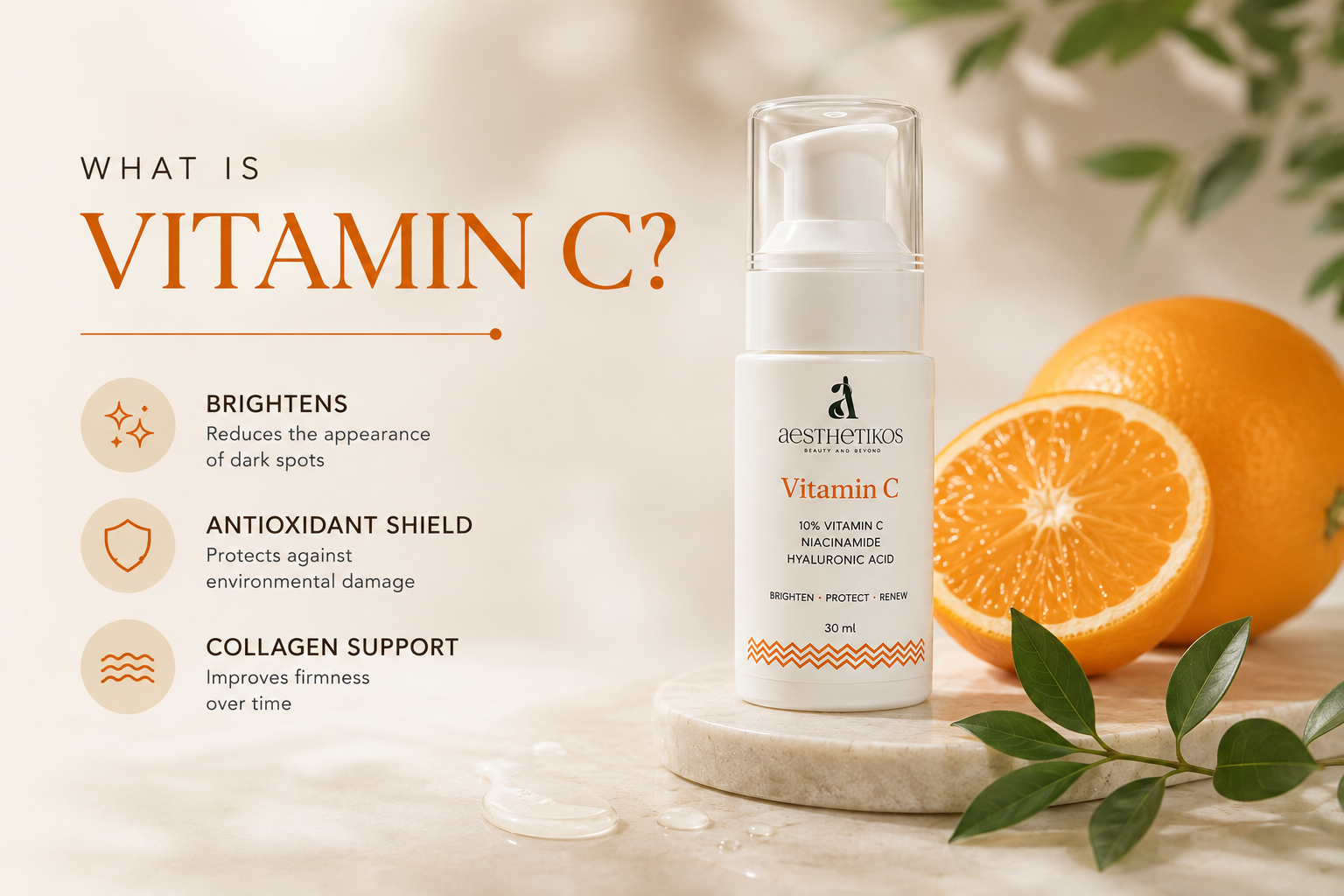
Starting a skincare routine can feel exciting, but it can also become confusing. With so many products available, beginners often wonder which steps matter most. While cleansers, serums, and moisturizers all have their place, sunscreen remains one of the most important parts of a daytime skincare routine.
Today, sunscreen comes in many formulations, including products that combine UV protection with antioxidant ingredients. One popular option is vitamin c sunscreen. By combining Vitamin C with sunscreen, these products can complement a skincare routine focused on protecting and maintaining healthy-looking skin.
If you are new to sunscreen or Vitamin C, this beginner's guide will explain what Vitamin C sunscreen is, how SPF works, how to use it, and what to look for when choosing a product.
What Is Vitamin C Sunscreen?
Vitamin C sunscreen is a sunscreen formulation that includes Vitamin C or a Vitamin C derivative alongside UV filters.
Sunscreen's primary purpose is to protect the skin from ultraviolet radiation. Vitamin C, meanwhile, is an antioxidant commonly used in skincare to help protect against oxidative stress and support a brighter-looking complexion.
Therefore, a Vitamin C sunscreen can combine two skincare concepts in one product: daily sun protection and antioxidant-focused skincare.
However, it is important to remember that Vitamin C does not replace UV filters. The sunscreen's SPF and broad-spectrum protection are what provide the primary protection against UV radiation.
Why Is Sunscreen Important?
The sun produces ultraviolet radiation that can affect the skin. Regular exposure can contribute to premature-looking skin changes, uneven pigmentation, and sunburn.
Fortunately, consistent sunscreen use can help reduce exposure to harmful UV radiation.
For beginners, the most important lesson is simple: sunscreen should not only be used during beach vacations or particularly sunny days. UV exposure can occur during everyday activities, including walking outdoors, commuting, or spending time near windows.
Consequently, making sunscreen part of your daily morning routine can be an important skincare habit.
Understanding SPF
One of the most common terms beginners encounter when shopping for sunscreen is SPF, or Sun Protection Factor.
SPF primarily indicates the level of protection a sunscreen provides against UVB radiation, which is strongly associated with sunburn. A higher SPF generally provides greater protection when the product is properly applied.
For example, vitamin c sunscreen spf 50 is formulated with an SPF rating of 50. SPF 50 products can be a useful choice for people seeking a high level of UVB protection as part of their daily routine.
However, SPF alone does not tell you everything about a sunscreen. You should also look for broad-spectrum protection, which indicates protection against both UVA and UVB radiation.
What Makes Vitamin C Sunscreen Different?
Traditional sunscreen focuses primarily on UV protection. A Vitamin C sunscreen adds an antioxidant ingredient to the formulation.
Vitamin C is widely recognized as an antioxidant in skincare. It can help neutralize free radicals and is often included in products designed to support a brighter and more even-looking complexion.
As a result, people who already enjoy Vitamin C in their skincare routine may appreciate having it included in their sunscreen.
Nevertheless, the most important function of any sunscreen remains adequate UV protection. Therefore, don't choose a sunscreen solely because it contains Vitamin C. Consider its SPF, broad-spectrum protection, formulation, texture, and suitability for your skin type.
Benefits of Using Vitamin C Sunscreen
1. Provides Daily UV Protection
The main reason to use sunscreen is to protect exposed skin from UV radiation. A properly formulated broad-spectrum sunscreen can help protect against UVA and UVB rays.
This makes sunscreen an essential part of a daytime skincare routine.
2. Adds Antioxidant Support
Vitamin C provides antioxidant properties that can complement daily sun protection.
However, antioxidant ingredients should be viewed as an additional benefit rather than a replacement for sunscreen protection.
3. Supports a Bright-Looking Complexion
Vitamin C is commonly used in skincare routines focused on dullness and uneven-looking skin tone. When incorporated into sunscreen, it can complement other Vitamin C products in your routine.
4. Simplifies Your Routine
For beginners who prefer fewer products, a sunscreen that contains Vitamin C can be convenient.
Instead of treating sunscreen as a separate step from your antioxidant-focused skincare, you can choose a product that incorporates both into one formulation.
How to Use Vitamin C Sunscreen Correctly
Using sunscreen correctly matters just as much as choosing the right product.
First, complete your morning skincare routine. Cleanse your face, apply your serum if you use one, and follow with moisturizer when needed.
Then apply your vitamin c sunscreen as the final skincare step before makeup.
Make sure you apply enough product to adequately cover the exposed areas of your face and neck. Don't forget commonly missed areas such as the ears and hairline when they are exposed.
If you spend significant time outdoors, reapply sunscreen as directed by the product and based on your level of exposure.
Remember, sunscreen application should become a habit rather than an occasional skincare step.
Where Does SPF 50 Fit Into a Skincare Routine?
A vitamin c sunscreen spf 50 can fit naturally into a beginner's morning routine.
A simple routine might look like:
Step 1: Cleanser
Remove dirt, sweat, and excess oil with a gentle cleanser.
Step 2: Serum
Apply your chosen serum if it suits your skincare goals.
Step 3: Moisturizer
Use moisturizer if your skin needs additional hydration.
Step 4: Vitamin C Sunscreen SPF 50
Finish with sunscreen before heading outdoors.
This routine is simple enough for beginners while covering the fundamental steps of cleansing, treating, moisturizing, and protecting.
Choosing the Right Vitamin C Sunscreen
Not every sunscreen feels the same on the skin. Therefore, consider your skin type and lifestyle before making a choice.
For Oily Skin
Look for lightweight textures that feel comfortable without leaving excessive greasiness. Gel or fluid formulations may be preferable for some people.
For Dry Skin
A moisturizing sunscreen may provide greater comfort. Look for formulations that include hydrating ingredients alongside UV filters.
For Sensitive Skin
Choose a gentle formulation and pay attention to the full ingredient list. Introduce new products gradually and stop using a product if it causes persistent irritation.
For Everyday Use
Choose a sunscreen that you enjoy applying. A comfortable texture makes it easier to use sunscreen consistently.
Common Sunscreen Mistakes Beginners Make
Even a good sunscreen cannot work as intended if you use it incorrectly.
Applying too little: Using an insufficient amount reduces the level of protection you receive.
Skipping reapplication: Extended outdoor exposure may require reapplication.
Using sunscreen only on sunny days: UV exposure can occur even when the weather doesn't feel particularly hot.
Forgetting exposed areas: Ears, neck, and other exposed areas also need attention.
Treating Vitamin C as a replacement for SPF: Vitamin C provides antioxidant benefits, but it does not replace sunscreen's UV filters.
Can You Use Vitamin C Serum With Vitamin C Sunscreen?
Yes, a Vitamin C serum and Vitamin C sunscreen can both be part of a morning routine, depending on your skin and the products you choose.
However, beginners do not necessarily need multiple Vitamin C products. If you already use a Vitamin C serum, moisturizer, and sunscreen, pay attention to how your skin responds to the overall routine.
The goal is not to use the maximum number of products. Instead, create a balanced routine that you can maintain comfortably.
Aesthetikos: Where Beauty Meets Imaginative Design
Skincare is one expression of beauty, but thoughtful aesthetics can extend into the spaces around us. The environment where we live, work, and practice our daily routines can influence how we experience everyday moments.
Aesthetikos brings creativity and individuality into this perspective. As a design leader creating imaginative, one-of-a-kind spaces, Aesthetikos combines thoughtful details with distinctive aesthetics to create environments that feel memorable and expressive.
Just as choosing sunscreen requires attention to individual needs, creating an exceptional space begins with understanding the people who will experience it. Aesthetikos transforms this understanding into creative environments that move beyond conventional design.
This approach celebrates the idea that beauty can be intentional, personal, and inspiring—whether it appears in a skincare ritual or a thoughtfully designed space.
Final Thoughts
For beginners, sunscreen should be one of the most consistent parts of a daytime skincare routine. A vitamin c sunscreen can provide UV protection while incorporating Vitamin C into your skincare approach.
If you prefer a higher SPF option, vitamin c sunscreen spf 50 can be an appealing choice, particularly when combined with broad-spectrum protection and correct application.
Ultimately, the best routine is one you can follow consistently. Choose a sunscreen that suits your skin, apply it generously, reapply when necessary, and remember that Vitamin C complements sunscreen rather than replacing it.
Just as Aesthetikos creates imaginative, one-of-a-kind spaces through thoughtful design, your skincare routine can become an intentional daily ritual—simple, protective, and uniquely yours.
Aesthetikos Beauty and Beyond
care@aesthetikos.co.in
+91 911 911 2015
A8, Makarwali Road, Panchsheel A block, Ajmer, Rajasthan

 English
 Arabic
 French
 Spanish
 Portuguese
 Deutsch
 Turkish
 Dutch
Dutch
 Russian
 Romaian
 Portuguese (Brazil)
 Greek
Greek
 Bengali