


Alopecia Areata Treatment in Dubai After a New Diagnosis
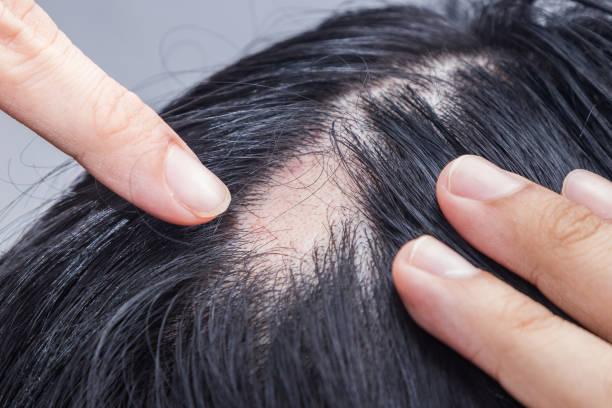
Receiving an alopecia areata diagnosis can leave patients with more questions than answers. Alopecia Areata Treatment in Dubai begins with understanding what the diagnosis means, establishing the current pattern of hair loss, and selecting an appropriate management strategy rather than immediately assuming that one treatment will suit every patient.
A new diagnosis also creates an important baseline. The extent and location of hair loss, disease activity, previous episodes, medical history, and treatment goals can all influence what happens next. A structured plan makes it easier to monitor changes and adjust treatment when necessary.
What a New Alopecia Areata Diagnosis Means
Alopecia areata is an immune-mediated condition in which the immune system targets structures associated with hair growth. It can produce sharply defined areas of hair loss on the scalp or other hair-bearing regions.
The condition does not follow one predictable pattern in every patient. Some people experience limited patchy loss followed by regrowth, while others develop recurrent or more extensive areas over time.
A Diagnosis Does Not Predict the Entire Course
Confirmation of alopecia areata identifies the condition causing the hair loss, but it does not guarantee how the condition will behave in the future.
The first consultation after diagnosis should therefore focus on the patient's current presentation rather than assuming that the existing pattern represents the final extent of hair loss.
Hair Follicles Can Remain Capable of Regrowth
Alopecia areata generally does not mean that the affected follicles have permanently disappeared. Hair follicles can remain biologically capable of producing new hair, although active immune activity can interfere with normal growth.
This distinction is important when discussing treatment goals. The objective is not simply to cover visible areas but to manage the condition appropriately and support the possibility of renewed hair growth.
Establishing a Baseline After Diagnosis
Once the diagnosis has been established, documenting the starting point becomes an important part of treatment planning.
A baseline allows the clinician to compare the scalp or affected facial areas during later appointments. It also helps distinguish genuine changes in hair density from differences caused by hairstyle, lighting, or grooming.
What Should Be Documented
Depending on the presentation, the baseline assessment may consider:
- Number and approximate size of affected areas
- Scalp regions involved
- Hairline and surrounding density
- Eyebrow or beard involvement
- Duration of the current episode
- Previous episodes of alopecia areata
- Evidence of active hair shedding
- Presence of short regrowing hairs
- Nail changes when relevant
- Previous treatments and their responses
The purpose is not to create a complicated record. It is to establish enough clinical information to evaluate whether the condition is stable, improving, or changing.
Why Previous Episodes Matter
A person experiencing alopecia areata for the first time may require a different discussion from someone who has experienced several episodes.
Previous spontaneous regrowth, treatment responses, recurrence patterns, and the duration of earlier episodes can provide useful context when deciding how closely the current episode should be monitored.
Treatment Selection After Confirmation
There is no universal alopecia areata treatment that works identically for every patient. Treatment decisions are influenced by factors such as the patient's age, the amount of hair loss, affected locations, duration, activity, and individual circumstances.
A limited patch may be managed differently from extensive scalp or body involvement.
Observation Can Sometimes Be Appropriate
Some patients with limited disease may be monitored rather than immediately receiving aggressive treatment. This is particularly relevant because spontaneous regrowth can occur in alopecia areata.
Observation does not mean ignoring the condition. It means establishing a follow-up strategy so that changes can be recognized and treatment can be reconsidered when appropriate.
Localized Treatment Approaches
For selected patients with patchy disease, clinicians may consider localized therapies such as corticosteroid injections or topical treatment.
Intralesional corticosteroids, for example, may be administered into selected affected areas. The technique requires appropriate assessment of the treatment zone, dosing, spacing, and safety considerations because excessive treatment can produce unwanted local effects.
More Extensive Disease Requires Broader Planning
When alopecia areata affects larger areas or becomes more extensive, treatment planning can involve different medical approaches.
Systemic therapies, including certain Janus kinase (JAK) inhibitors, may be appropriate for some patients with severe disease. These medications require medical assessment and appropriate monitoring rather than being treated as routine cosmetic products.
Setting Realistic Treatment Goals
One of the most useful steps after diagnosis is defining what successful management actually means.
The goal may be complete regrowth of a limited patch, improvement in visible density, stabilization of active disease, or management of recurrent episodes. These goals should be individualized according to the presentation.
Regrowth Is Not Always Immediate
Hair growth follows a biological cycle, so treatment response cannot always be judged immediately after an intervention.
When treatment is effective, early changes may appear as fine or lightly pigmented hairs before stronger terminal hairs become more apparent. The timing varies between individuals and depends on the disease pattern and treatment approach.
Visible Improvement Is Only One Measure
A treatment plan should not be judged exclusively by photographs.
The clinician may also consider whether new areas have appeared, whether existing patches are becoming smaller, whether hair shafts are becoming stronger, and whether the overall disease pattern has changed.
This broader assessment is especially useful in recurrent alopecia areata.
What Happens at the First Follow-Up
Follow-up is where the initial treatment plan becomes an ongoing management process.
The timing depends on the selected treatment and clinical circumstances. During the review, the clinician can compare the current presentation with the established baseline and determine whether the treatment should continue, change, or stop.
Assessing Early Treatment Response
The follow-up examination may look for:
- Fine new hairs within affected areas
- Changes in patch dimensions
- Increased hair density
- New areas of hair loss
- Continued shedding
- Local skin reactions
- Treatment-related side effects
These findings provide more useful information than relying solely on whether the hair already looks completely normal.
Adjusting the Treatment Plan
A lack of immediate visible regrowth does not automatically mean that treatment has failed. Conversely, apparent improvement does not necessarily mean that the condition will never recur.
Treatment decisions should therefore be based on the clinical response over time rather than a single observation.
Medication Safety Matters After Diagnosis
Patients sometimes search for supplements, medications, or topical products immediately after receiving an alopecia areata diagnosis.
This can create unnecessary complexity if multiple products are introduced at once.
Avoid Unsupervised Treatment Combinations
Prescription corticosteroids, systemic medications, topical products, and other therapies have different safety considerations.
Patients should disclose existing medications, allergies, medical conditions, and previous treatment reactions before starting a new medical therapy.
For treatments such as JAK inhibitors, appropriate patient selection and monitoring are particularly important because these are prescription systemic medicines with specific safety considerations.
Be Careful With Aggressive Scalp Products
Alopecia areata is not simply a problem caused by weak shampoo or inadequate scalp cleansing. Harsh exfoliation, excessive chemical treatments, or frequent experimentation with unproven products may irritate the scalp without addressing the underlying condition.
A simple, gentle scalp-care routine is generally more appropriate while the medical treatment plan is being established.
Hair and Scalp Care During Recovery
Everyday care cannot replace medical management, but it can reduce unnecessary mechanical or chemical stress on the hair and scalp.
Reduce Mechanical Stress
Patients should avoid unnecessarily tight hairstyles, aggressive brushing, and repeated pulling around fragile areas.
Gentle handling is particularly useful when short regrowing hairs are present because these hairs can be more vulnerable to breakage.
Protect the Exposed Scalp
When areas of the scalp have little or no hair, they receive greater direct exposure to sunlight.
Dubai's strong sunlight makes scalp protection especially relevant. Hats, shade, and appropriate sun protection strategies can help reduce direct exposure to uncovered areas.
Air-conditioned indoor environments can also contribute to a dry-feeling scalp for some individuals, making gentle cleansing and avoidance of irritating products preferable to excessive washing or aggressive scalp treatments.
Emotional Adjustment After a New Diagnosis
Alopecia areata can have a visible effect even when the affected area is medically limited.
A newly diagnosed patient may become highly focused on checking the mirror, photographing the scalp, or looking for individual hairs throughout the day. Constant checking can make normal fluctuations appear more significant than they are.
Use Consistent Monitoring
If progress photographs are being used, consistency matters.
Photographs taken under similar lighting, angle, distance, hairstyle, and hair length are more useful than constantly changing images. Clinical assessments remain more reliable for treatment decisions.
Communicate Changes Clearly
Patients should tell their clinician about meaningful changes rather than waiting until the next routine appointment if something concerning develops.
Useful information includes when the change started, which area was affected, whether shedding increased, and whether any treatment-related reaction occurred.
When a Reassessment May Be Needed
A new diagnosis should not end clinical evaluation. Reassessment may become appropriate when the pattern changes or when treatment produces an unexpected response.
Patients should contact their treating clinician if they notice:
- New areas of hair loss
- Rapidly changing hair loss
- Significant scalp inflammation or discomfort
- Unexpected skin changes after treatment
- New eyebrow or facial-hair involvement
- Concerning medication reactions
- No improvement despite an established treatment period
These findings do not automatically indicate treatment failure. They provide reasons to review the situation and determine whether the existing plan remains appropriate.
Building a Longer-Term Alopecia Areata Plan
Alopecia areata management is often better understood as a process than a single appointment.
The initial consultation establishes the diagnosis and baseline. Treatment then addresses the current presentation, while follow-up determines whether the response supports continuing the same approach.
Stability and Regrowth Should Be Tracked Separately
A patient may experience regrowth in one area while developing hair loss elsewhere. These two observations can occur within the same period.
For this reason, monitoring should consider the overall disease pattern rather than focusing exclusively on one successful regrowth area.
Recurrence Requires a New Assessment
If hair loss returns after a period of regrowth, the previous treatment plan should not automatically be repeated without reassessment.
The new episode may have a different distribution, activity level, or extent. Previous treatment response is useful information, but the current clinical presentation still needs to guide management.
A Practical Post-Diagnosis Roadmap
After receiving an alopecia areata diagnosis, patients can approach the next stage in a structured way:
- Confirm that the diagnosis and extent have been appropriately assessed.
- Establish a clear baseline for the current episode.
- Review previous episodes and treatments if applicable.
- Discuss whether observation or active treatment is appropriate.
- Understand the expected monitoring schedule.
- Follow medication instructions carefully.
- Avoid adding multiple unproven products without professional guidance.
- Protect exposed scalp areas from excessive sun.
- Monitor meaningful changes rather than checking constantly.
- Attend follow-up appointments so treatment response can be evaluated objectively.
This approach keeps the focus on clinical management rather than reacting to every short-term change in hair appearance.
Questions After a New Alopecia Areata Diagnosis
Does alopecia areata always require treatment?
No. Some limited cases may regrow without treatment, while others may benefit from active management. The decision depends on the individual presentation.
How soon can regrowth occur?
The timing varies. When treatment is effective, early regrowth may begin with fine hairs before more substantial density develops.
Can alopecia areata come back after regrowth?
Yes. Recurrence can occur, so previous regrowth does not guarantee permanent resolution.
Should I start hair supplements after diagnosis?
Supplements should not be assumed to treat alopecia areata. If a nutritional deficiency is suspected, appropriate assessment can determine whether supplementation is warranted.
Should I wait if I have only one patch?
Observation may be reasonable for some limited cases, but the decision should be based on an appropriate clinical assessment rather than patch size alone.
Book an Alopecia Areata Assessment in Dubai
A new diagnosis is the starting point for a structured treatment plan, not a reason to assume what the future course will be. Tajmeels Clinic in Dubai can assess the current pattern, discuss suitable management options, establish a baseline, and plan appropriate follow-up around the individual's presentation.
If you have recently been diagnosed with alopecia areata, arrange a professional assessment before making major changes to your scalp-care or treatment routine.

 English
 French
 Spanish
 Portuguese
 Deutsch
 Turkish
 Dutch
Dutch
 Italiano
 Russian
 Romaian
 Portuguese (Brazil)
 Greek
Greek
 Bengali