


The Journey of Soap Packaging From Mold to Market
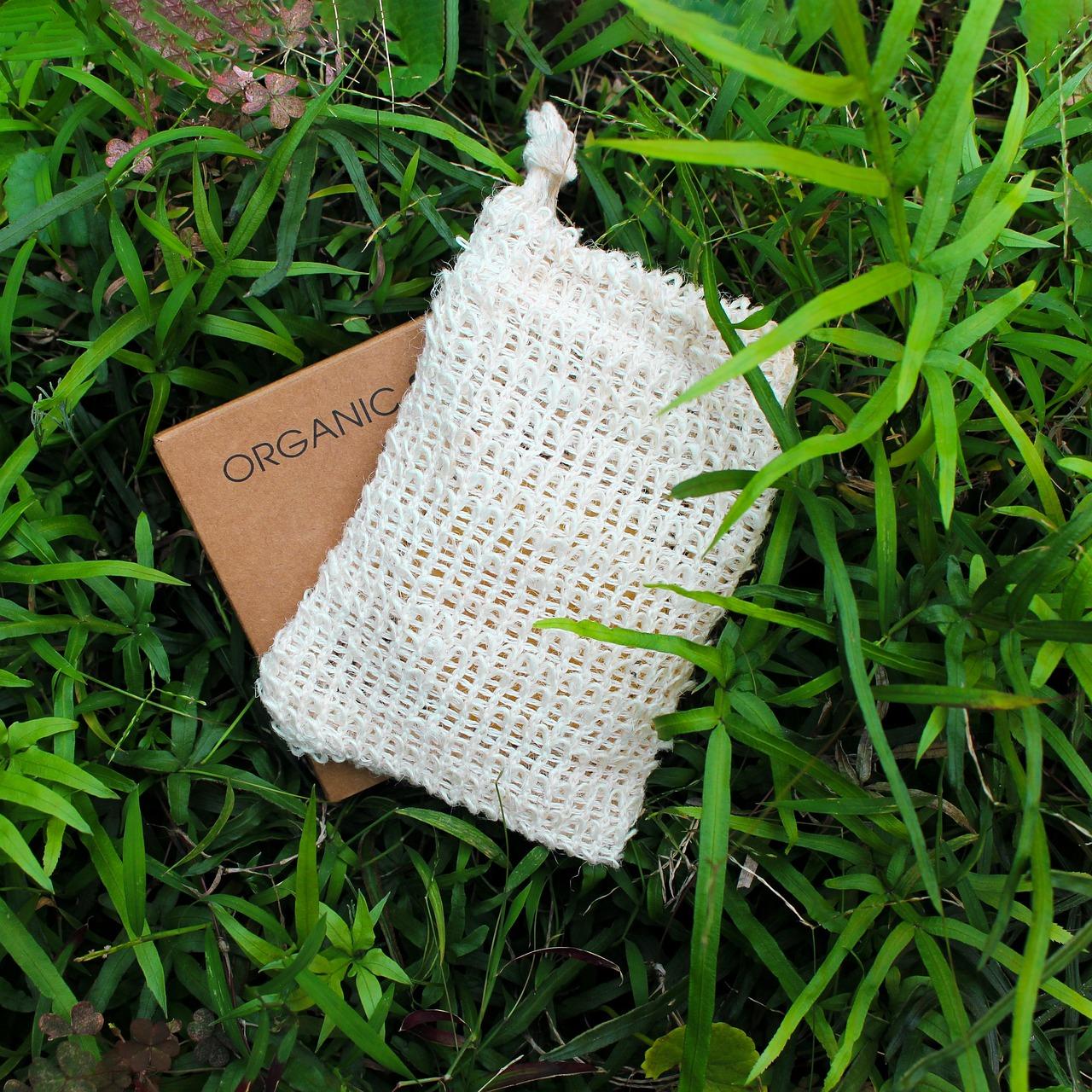
Every bar of soap has a story, from the moment it's poured into a mold to the moment it lands in a customer's hands. This guide follows that journey and shows how Soap Boxes with Window, Kraft Soap Boxes, Holster Soap Boxes, Soap Sleeves, and Soap Tins protect the product and shape the customer's experience along the way.
Introduction
Soap is more than a way to get clean. It's a sensory product that people choose for its scent, color, texture, and ingredients. For many small brands, each bar is also a handmade piece of craftsmanship, shaped by careful recipes and hours of curing time. Packaging connects all of that effort to the customer. It protects the bar, tells the brand's story, and sets the tone for how the soap is received.
Custom Soap Boxes come in many forms, and each one plays a different role. Boxes with windows show off the product, kraft boxes highlight natural values, holster boxes hold bars snugly, sleeves keep things minimal, and tins add a durable, premium touch. Understanding where each option fits in the soap's journey helps brands choose packaging that keeps products safe and leaves customers impressed.
Material choice matters at every step. Whether you use cardboard, kraft paper, or metal, your packaging needs to shield soap from moisture, dust, and knocks while still looking appealing. Soap is also a product that keeps "breathing" for a while, especially handmade cold-process bars, so some brands prefer packaging that allows a little airflow rather than sealing the bar completely.
Stage 1: The Soap Maker's Workshop
The journey begins in the workshop, where soap is mixed, poured, cut, and cured. Once the bars are ready, they need packaging that will keep them intact through storage, shipping, and handling.
Kraft Soap Boxes are a favorite at this stage, especially for handmade brands. Their natural brown finish matches the artisanal, ingredient-focused image many soap makers want to project. They're sturdy enough to protect bars from dents and chipped edges, and they can be stamped, labeled, or printed to show the scent, ingredients, and brand name.
Holster Soap Boxes are another strong choice early in the process. Their design wraps closely around a single bar, keeping it from shifting and scuffing. A snug fit is especially useful for bars with detailed surfaces, such as embossed logos or swirled tops, which can be damaged by rubbing.
What matters here:
-
Protection from dents, chips, and scratches
-
Enough airflow for bars that are still releasing moisture
-
Packaging that matches the brand's handmade or natural identity
-
Easy packing for small teams producing bars in batches
Stage 2: The Retail Shelf
Once soap reaches a store, market stall, or boutique, packaging has a new job: getting noticed. Shoppers often decide in seconds whether to pick up a product, so the box has to attract attention and communicate quality quickly.
Soap Boxes with Window excel here. A clear or open cutout lets customers see the soap's color, texture, and design without opening the package. Seeing the real product builds confidence and often encourages impulse purchases, especially for bars with bright colors, layered patterns, or botanical inclusions like dried flowers and oats. Some window boxes also let a little scent escape, which can draw shoppers in even more.
Kraft Soap Boxes hold their own on the shelf as well. Their earthy, rustic look signals authenticity and appeals to shoppers looking for natural or organic products. When placed together in a display, matching kraft boxes create a clean, cohesive presentation.
What matters here:
-
Strong visual appeal that stands out among competitors
-
Product visibility that builds trust
-
Clear labeling of scent, ingredients, and weight
-
Consistent design across a full product line
Stage 3: The Customer's Home
When the soap arrives at a customer's home, whether carried from a store or delivered by mail, the unboxing moment begins. This is where packaging turns a simple purchase into an experience worth remembering.
Soap Tins create a premium unboxing. Their sturdy metal construction feels substantial, and the lid opens to reveal a neatly presented bar. Tins are especially popular for travel soaps, shaving soaps, and gift sets. Because they're durable, many customers keep using them as soap dishes or travel cases, which gives the packaging a long second life.
Soap Sleeves offer a very different but equally appealing experience. A simple paper band wraps around the bar, leaving much of the soap exposed. This minimal approach feels fresh, honest, and low-waste, which resonates with customers who prefer less packaging.
Holster Soap Boxes deliver a satisfying reveal as the bar slides out of its snug casing. The close fit signals care and quality, making even an everyday bar feel thoughtfully made.
What matters here:
-
A pleasant, memorable unboxing moment
-
Packaging customers may want to keep or reuse
-
Clear usage and storage tips to help the bar last
-
Details worth sharing on social media
Stage 4: Disposal and Sustainability
The journey doesn't end when the soap is unwrapped. What happens to the packaging afterward matters more and more to customers.
Kraft Soap Boxes and Soap Sleeves are paper-based, so uncoated versions are widely recyclable and can often be composted. Glossy coatings, laminates, or heavy foil may affect that, so it helps to check your materials before making claims on the packaging.
Soap Tins take a reuse approach. Rather than being thrown away, they can hold future soap bars, jewelry, sewing supplies, or small keepsakes, and metal tins are also recyclable at the end of their life.
Homemade Soap Boxes can be made with recyclable board as well. If the window uses a plastic film, customers may need to remove it before recycling, so some brands choose open die-cut windows with no film at all.
Greener choices to consider:
-
Uncoated paper and kraft materials
-
Soy-based or vegetable-based inks
-
Open windows instead of plastic film
-
Printed disposal instructions for customers
Comparing the Five Options
Each packaging type balances protection, sustainability, cost, and branding differently.
Soap Boxes with Window: Strong branding and product visibility with good protection. Sustainability depends on whether a plastic film is used.
Kraft Soap Boxes: Good protection and a natural image at a reasonable cost. Uncoated versions are among the greener choices.
Holster Soap Boxes: Excellent protection for single bars and a neat, polished look, with printable surfaces for branding.
Soap Sleeves: The lowest-material and usually most affordable option, with limited protection, so they suit sturdy bars and careful handling.
Soap Tins: The strongest protection and a premium feel, at a higher cost. Their reusability makes them a sustainable choice over time.
Many soap brands combine several styles, using sleeves for everyday bars, window boxes for retail displays, and tins for gift collections.
Conclusion
From mold to market, packaging protects soap and shapes how customers experience it. Soap Boxes with Window build trust by showing the product. Kraft Soap Boxes bring natural, eco-friendly appeal. Holster Soap Boxes give individual bars snug, reliable protection. Soap Sleeves offer a minimal, low-waste option, and Soap Tins add durable, reusable luxury. When each bar is matched with the right packaging, every stage of its journey adds to a purchase customers remember.

 English
 Arabic
 French
 Portuguese
 Deutsch
 Turkish
 Dutch
Dutch
 Italiano
 Russian
 Romaian
 Portuguese (Brazil)
 Greek
Greek
 Bengali