


Rhinoplasty Surgery in Dubai: What Affects Results?
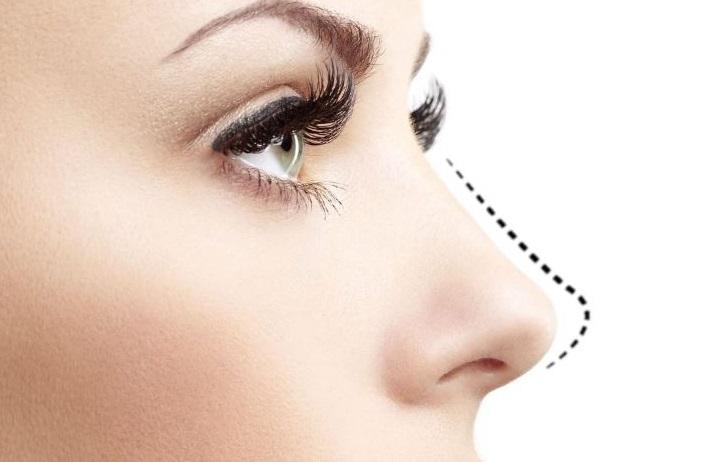
The outcome of rhinoplasty depends on several factors rather than one single element. Rhinoplasty Surgery in Dubai can change the shape and structure of the nose, but the final appearance is also influenced by nasal anatomy, skin characteristics, surgical planning, healing, and postoperative care. Understanding these factors can help establish realistic expectations before treatment.
Understanding Rhinoplasty Surgery in Dubai Results
Rhinoplasty results develop gradually. The nose may look different immediately after surgery, but swelling and tissue healing can temporarily obscure the final contours.
As recovery progresses, the nasal framework becomes more defined and the appearance gradually settles. The timeline varies according to the extent of surgery and individual healing characteristics.
Nasal Anatomy and Starting Structure
The existing structure of the nose is one of the most important considerations during treatment planning. Bone shape, cartilage strength, septal position, nasal tip structure, and natural asymmetry can all influence what changes are possible.
Because every nose is different, the same surgical technique may produce different results in different individuals.
Skin Thickness and Tissue Characteristics
Skin thickness can influence how clearly the underlying nasal framework becomes visible after surgery. Thicker skin may make subtle definition more difficult to achieve, while thinner skin can reveal structural changes more clearly.
The elasticity and characteristics of the soft tissue also contribute to how the nose settles during healing.
The Surgical Technique
The selected technique can affect how the nasal structures are accessed and reshaped. Open and closed approaches may be considered depending on the complexity of the procedure and the areas requiring modification.
The technique itself is not a guarantee of a particular result. It must be appropriate for the individual's anatomy and treatment goals.
The Extent of Reshaping
The amount of structural change can influence both recovery and final appearance. Minor contour adjustments may have different healing requirements from procedures involving substantial changes to bone and cartilage.
Careful planning helps determine how much modification is appropriate while considering facial proportions and nasal support.
Facial Proportions
The nose should be considered in relation to the rest of the face. Changes to nasal width, length, projection, or tip position can affect how the forehead, cheeks, lips, and chin appear in relation to the nose.
A balanced treatment plan considers these relationships when establishing the desired outcome.
Functional Nasal Structure
The internal structure of the nose can influence both breathing and appearance. Maintaining appropriate structural support is important when modifying cartilage and bone.
When functional concerns are present, they should be incorporated into the treatment plan rather than focusing exclusively on external appearance.
Previous Surgery or Nasal Trauma
A nose that has undergone previous surgery or experienced significant trauma may have altered cartilage, scar tissue, or changes in structural support.
Revision rhinoplasty can therefore involve additional planning and may have different limitations from primary rhinoplasty.
Healing Response
Individual healing plays an important role in the final result. Swelling may resolve quickly in some areas while remaining longer in others, particularly around the nasal tip.
Temporary asymmetry or uneven swelling can occur during recovery and may change as the tissues settle.
Postoperative Care
Following postoperative instructions can help protect the healing nasal structures. Recommendations may cover sleeping position, physical activity, nasal care, medications, and protection from accidental impact.
Ignoring recovery restrictions or placing unnecessary pressure on the nose can interfere with the healing process.
Lifestyle During Recovery
Daily habits can also affect the recovery experience. Smoking and nicotine exposure may interfere with healing, while strenuous activity can increase swelling or create a risk of accidental injury.
Following the recommended recovery timeline can help protect the surgical area during the early stages.
Realistic Expectations
Expectations can strongly influence how the final result is perceived. Reference photographs may communicate a preferred shape, but an identical result cannot be guaranteed because anatomical differences affect what is achievable.
A realistic goal focuses on improving specific concerns while maintaining appropriate facial balance and structural support.
Time and Final Refinement
Rhinoplasty results should be evaluated over time rather than immediately after surgery. Early swelling can conceal definition, particularly around the tip.
As healing continues, the nose can become progressively more refined. Final assessment should take place after adequate recovery.
What Affects Rhinoplasty Surgery in Dubai Results?
Rhinoplasty Surgery in Dubai results can be influenced by nasal anatomy, skin characteristics, surgical technique, extent of reshaping, facial proportions, previous surgery, healing response, and postoperative care. No two recovery experiences are exactly alike.
Understanding these factors can help you approach rhinoplasty with realistic expectations and a clearer understanding of the treatment process. For those exploring personalized nose reshaping in Dubai, TAJMEELS CLINIC can be considered while researching available surgical treatment options.
For More Details, Contact Us Through:
WhatsApp: +971 56 203 8751
Phone: +971 4 373 9000
Social Media:

 English
 Arabic
 French
 Spanish
 Portuguese
 Deutsch
 Turkish
 Italiano
 Russian
 Romaian
 Portuguese (Brazil)
 Greek
Greek
 Bengali