


Is Your Strike Zone Home Plate Actually Regulation Size? What Coaches Get Wrong
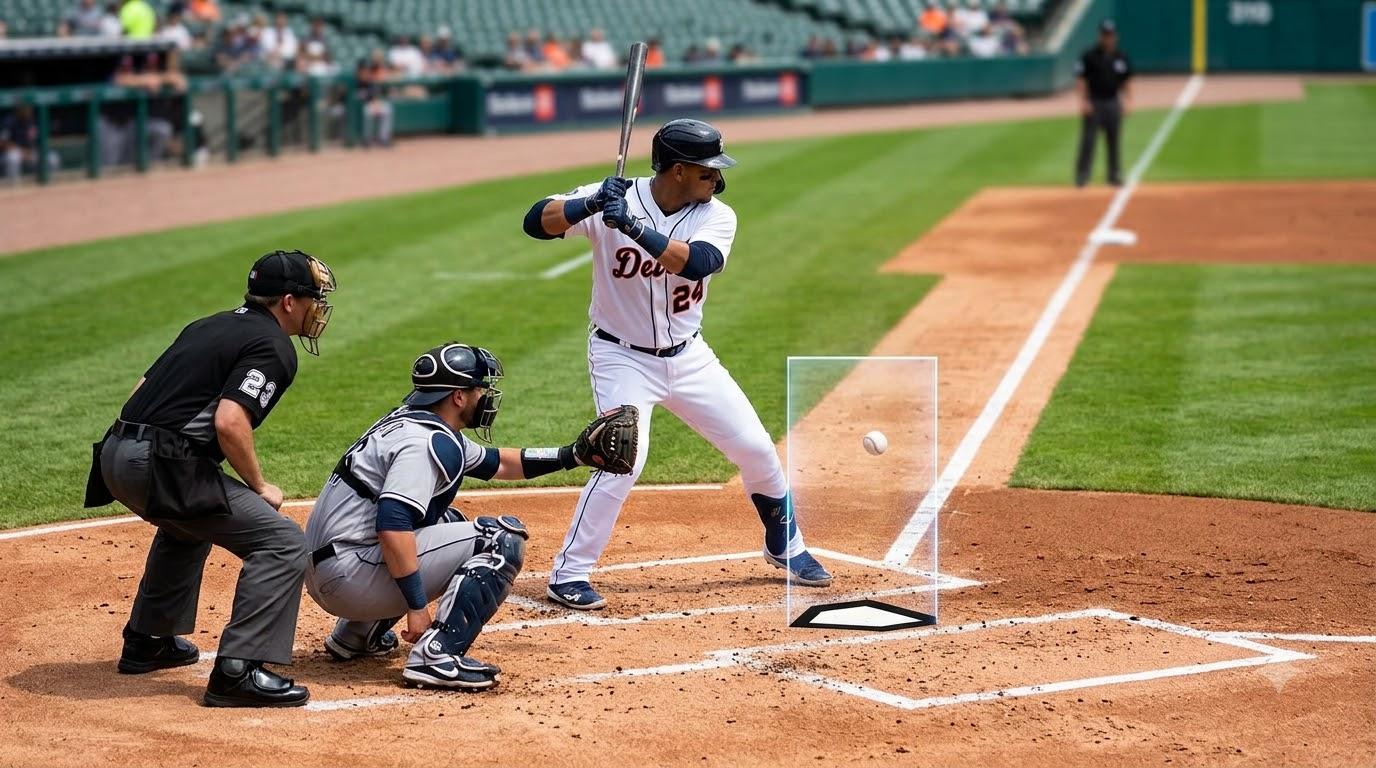
Setting up a proper practice environment for baseball or softball often comes down to the details. Most coaches spend time perfecting drills and pitching mechanics, yet overlook one of the most foundational elements of the game — whether their home plate setup actually reflects real game conditions. A regulation strike zone home plate used in practice directly shapes how hitters read pitches, how pitchers develop accuracy, and how umpires and coaches train their eyes. If the equipment is wrong, the reps are wrong — and that problem compounds over an entire season.
This article breaks down what the strike zone actually covers, how home plate dimensions affect pitch recognition and development, and what to look for when choosing training equipment that genuinely prepares players for game situations.
Why the Strike Zone Confuses More Players Than It Should
The strike zone is one of the most debated concepts in baseball, yet its official definition is straightforward. It spans the width of home plate — 17 inches — and vertically runs from the midpoint between a batter's shoulders and the top of their uniform pants down to the hollow beneath the kneecap. The exact vertical range shifts with each batter's stance, which is why pitch recognition training matters so much.
Where coaches go wrong is assuming players naturally understand where the zone starts and ends. Without visual reinforcement in practice, hitters develop guesses rather than instincts. Pitchers throw to a mental target instead of a defined space. Both problems lead to poor at-bats and inconsistent pitching performance in actual games.
Understanding the Role of Home Plate Dimensions
Home plate is a five-sided rubber slab. Two sides run parallel to the batter's boxes at 8.5 inches each, and two angled sides connect to the pointed rear tip at 12 inches each, with a flat 17-inch front edge facing the pitcher. The full dimensions create a precise target that every pitch must cross — either through the zone or outside of it.
Why 17 Inches Matters for Pitch Development
The 17-inch width is not arbitrary. It is wide enough to create genuine corner opportunities for pitchers but narrow enough that location still requires precision. When players practice without a properly sized plate, they either develop an artificially wide or artificially narrow mental image of the zone. That misalignment becomes obvious during live competition.
How Plate Placement Affects Catcher Framing
Catchers who train without a regulation-sized plate struggle to develop proper framing instincts. Framing is about catching pitches on the edges of the zone and presenting them to umpires as strikes. If the plate in practice is the wrong size or positioned incorrectly, catchers frame the wrong edges — which can result in missed strike calls during games.
Strike Zone Training: What Actually Works
Training aids built around the strike zone allow pitchers, hitters, and coaches to work from a shared visual reference point. These tools are especially valuable in bullpen sessions, batting practice, and umpire development programs.
For Pitchers
Pitchers benefit from a defined visual target. When a strike zone home plate setup includes a vertical zone marker — either a mat, a frame, or a marked backdrop — it gives the pitcher something to aim for beyond just the catcher's mitt. Over time, pitchers build zone awareness that holds up under pressure when they cannot rely on a specific target.
For Hitters
Hitters use zone markers to understand which pitches to attack and which to lay off. A common issue in youth and amateur baseball is that players swing at pitches that are clearly balls simply because they have not developed a defined mental picture of the zone. Practicing against a visible plate helps build that picture.
For Coaches and Umpires
Coaches calling pitches from behind a screen and umpires in training programs both rely on consistent reference points. A properly sized home plate in drills creates agreement between what a pitch looked like and whether it was actually in the zone.
Choosing the Right Home Plate Setup for Your Program
Not every setup fits every program. Here is what to consider before purchasing:
-
Material durability: Rubber plates hold up in outdoor use across different weather conditions. Foam-edged options work better in indoor cage environments.
-
Size accuracy: Always confirm the plate meets official dimensions — 17 inches across the front edge, proper angling on the back sections.
-
Portability: If you set up at multiple fields or travel, lightweight options that pack flat save significant time.
-
Zone markers: Some home plate setups pair with vertical strike zone frames or mats. These combinations are especially valuable for pitcher development and batting practice.
-
Surface grip: The plate should stay in place when a catcher blocks a pitch or a runner slides in during simulation drills.
Common Mistakes When Setting Up Home Plate in Practice
Even when coaches invest in good equipment, setup errors reduce the training value significantly.
Incorrect distance from the rubber: Home plate must sit at the exact regulated distance from the pitching rubber — 60 feet 6 inches in baseball, 43 feet in fast-pitch softball. Even a few inches of error changes the timing of every pitch rep.
Misaligned plate angle: The pointed rear tip of home plate should align with the back corner of each batter's box. When the plate is rotated even slightly, the corners of the zone shift position relative to where hitters actually stand.
Ignoring vertical zone reference: Many practice setups focus only on the horizontal plate dimensions and forget to reinforce the vertical zone. Adding a zone mat or vertical frame resolves this.
Using worn or damaged equipment: A cracked or warped plate introduces inconsistency. The edges that define the corners become unreliable, and both pitchers and hitters develop bad habits responding to a broken reference point.
Why Youth Programs Need Accurate Equipment Early
The habits players form at 8, 10, and 12 years old follow them through their entire playing career. A young pitcher who trains against an inaccurate plate develops zone instincts based on wrong information. A hitter who never sees a true 17-inch target cannot build the pitch recognition skills that become critical at higher levels of play.
Youth programs have a responsibility to use equipment that reflects real game conditions, even in casual practice. The strike zone home plate is not just a prop — it is one of the primary teaching tools in the sport. When it is right, every pitcher rep, every hitting rep, and every defensive positioning decision happens in context with something that actually matches what happens in a game.
Frequently Asked Questions
What is the official width of home plate?
Home plate is 17 inches wide across the front edge — the edge that faces the pitcher. This 17-inch span defines the horizontal boundaries of the strike zone and is a regulated dimension in both baseball and softball.
Does the strike zone change based on the batter's height?
Yes. The vertical boundaries of the strike zone are defined relative to the batter's body, not a fixed point. The top of the zone sits at the midpoint between the shoulders and the top of the uniform pants, while the bottom is at the hollow below the kneecap. Taller batters have a larger vertical zone than shorter ones.
Can I use the same home plate for baseball and softball?
The physical home plate dimensions are the same in both sports — 17 inches wide. The main difference is the pitching distance and the regulatory framework, but the plate itself is interchangeable. Always confirm the material and construction are appropriate for the surface and level of play.
How often should a practice home plate be replaced?
This depends on usage and environmental exposure. A rubber plate used daily in an outdoor setting should be inspected at the start of every season. Look for warping, cracking along the edges, or any dimensional distortion that could compromise its accuracy as a teaching tool.
Is a strike zone mat worth adding to a home plate setup?
For pitching development and batting practice, yes. A vertical strike zone mat paired with a proper home plate gives pitchers a complete visual target and helps coaches identify whether pitches are missing inside, outside, high, or low. The added visual reference shortens the feedback loop significantly during practice sessions.
Getting the foundational equipment right is where good coaching starts. Every pitcher throwing a bullpen session and every hitter working through batting practice deserves to train against a reference point that actually reflects what they will see in a game. A properly sized, accurately positioned strike zone home plate is not an upgrade — it is a baseline requirement for meaningful practice.

 English
 Arabic
 French
 Spanish
 Portuguese
 Deutsch
 Turkish
 Dutch
Dutch
 Italiano
 Romaian
 Portuguese (Brazil)
 Greek
Greek
 Bengali