


How Can a Visual Social Platform Monetize Without Damaging User Experience?
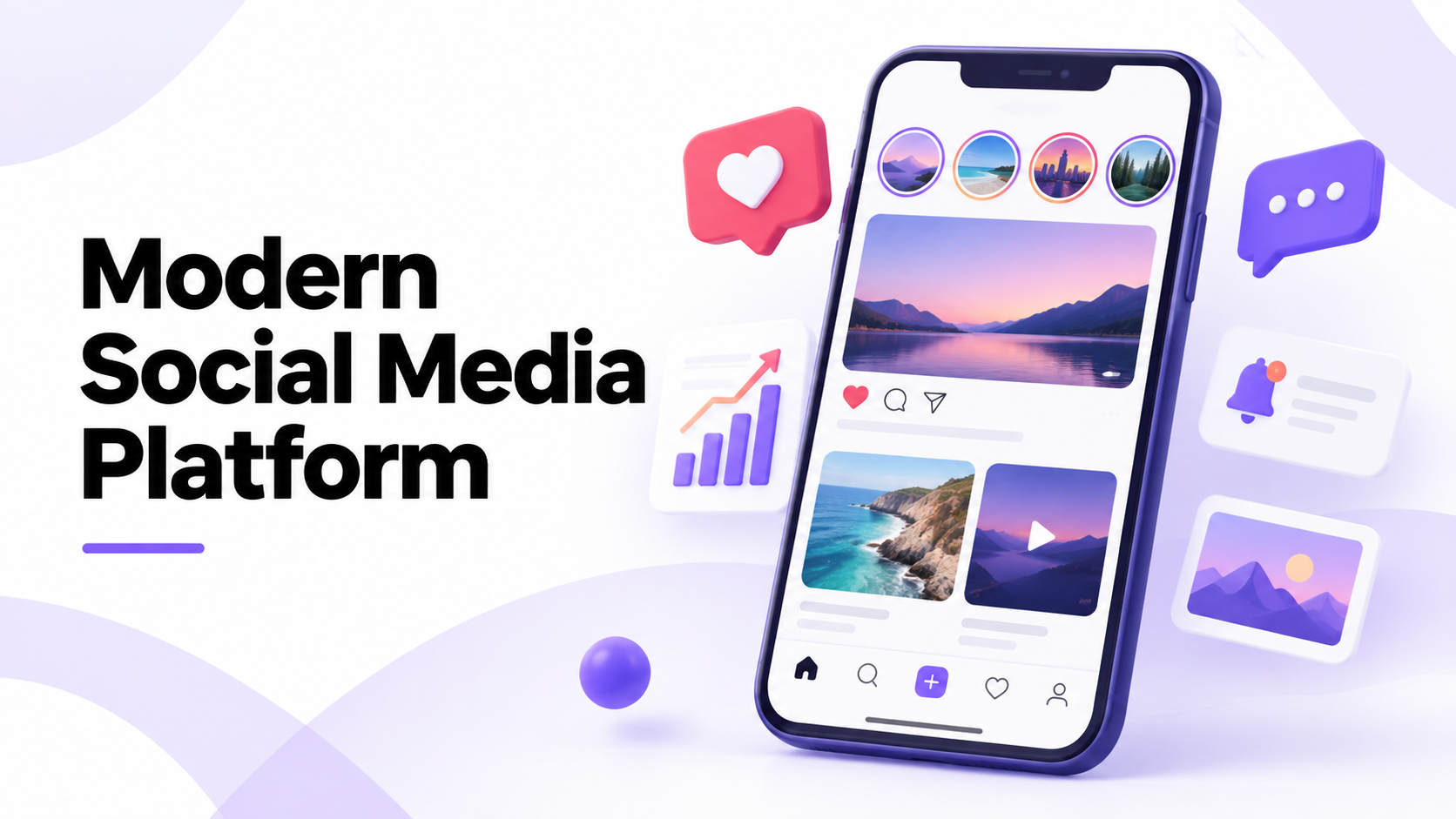
Visual social platforms have changed the way people discover content, interact with communities, follow creators, and explore brands. Photos, short videos, stories, live streams, and visual recommendations have become a major part of everyday digital experiences. For businesses building a social platform, this creates a strong opportunity to generate revenue while creating a valuable community.
However, monetization needs to be handled carefully. Too many advertisements, intrusive pop-ups, excessive sponsored posts, or aggressive subscription prompts can make users feel that the platform is focused more on earning money than providing a good experience.
The real challenge is finding a balance between monetization and user experience. A successful visual social platform should generate revenue in ways that feel natural, useful, and relevant to its audience.
Platforms inspired by Instagram's visual-first experience can explore several revenue models, including advertising, creator subscriptions, sponsored content, social commerce, virtual gifts, premium features, and brand partnerships. Miracuves helps businesses explore the development of visual social platforms with features designed around content sharing, engagement, creators, and monetization.
Why User Experience Matters in Social Platform Monetization
Before choosing a monetization strategy, platform owners need to understand one basic principle: users come to a social platform for content and interaction, not advertisements.
If monetization interrupts those activities too frequently, users may spend less time on the platform or stop using it altogether.
For example, imagine a user scrolling through a feed and seeing a sponsored post after every two organic posts. Even if the advertisements generate revenue, the experience may quickly become frustrating.
A better approach is to integrate monetization into the platform naturally.
The objective should be to make users think:
“This feature is useful.”
rather than:
“This platform is constantly trying to sell me something.”
This distinction can have a major impact on retention, engagement, and long-term platform growth.
1. Use Native Advertising Instead of Intrusive Ads
Advertising is one of the most common ways for social platforms to generate revenue. However, advertisements should match the visual design and browsing behavior of the platform.
Native advertising can appear as part of the regular content experience while still being clearly identified as sponsored content.
Keep Sponsored Content Relevant
Relevance is extremely important.
For example, if someone frequently engages with fashion content, showing them a sponsored post from a fashion brand may feel more natural than showing unrelated advertisements.
Similarly, users interested in fitness could receive relevant promotions from fitness brands, equipment companies, or wellness businesses.
Personalization should improve discovery rather than become an excuse for excessive advertising.
Avoid Overloading the Feed
A visual platform should establish a reasonable balance between organic and sponsored content.
Instead of filling the feed with advertisements, businesses can experiment with:
- Sponsored posts
- Promoted videos
- Sponsored stories
- Branded discovery sections
- Product recommendations
- Creator collaborations
The goal is to maintain the feeling of a content-first platform.
2. Build Creator Subscriptions
Creator subscriptions can provide another monetization opportunity without requiring every user to pay.
The concept is simple: creators can offer additional content or experiences to followers who voluntarily subscribe.
For example, creators could provide:
- Exclusive posts
- Subscriber-only videos
- Private communities
- Early access to content
- Special live sessions
- Behind-the-scenes content
- Exclusive tutorials
- Personalized interactions
This model creates value for both creators and the platform.
Creators receive another way to monetize their audience, while the platform can generate revenue through subscription fees or commissions.
A visual social platform can make this feature optional so that free users can continue enjoying the main platform without feeling forced to subscribe.
3. Introduce Virtual Gifts and Creator Tips
Virtual gifts are another way to monetize engagement without interrupting the user's regular browsing experience.
Users can purchase digital coins or credits and send virtual gifts to creators during live streams or on selected content.
For example, a creator conducting a live cooking session could receive gifts from viewers who enjoy the content.
Why Virtual Gifts Can Work
The important difference between virtual gifts and traditional advertisements is that users choose when to spend money.
The platform is not interrupting the user. Instead, it gives engaged users an optional way to support creators.
This model can also increase creator motivation because creators have another income opportunity based on audience engagement.
4. Make Social Commerce Part of the Experience
Visual content and shopping can naturally work together.
A user might discover a dress through a fashion post, find a product through a beauty video, or become interested in a gadget shown in a creator's content.
Instead of forcing users to leave the platform immediately, social commerce can connect content discovery with product information.
Use Shoppable Content Carefully
A platform can allow creators or brands to tag products in:
- Photos
- Videos
- Stories
- Live streams
- Creator profiles
Users can then view product information when they are interested.
The important point is that product information should remain optional. Users should be able to enjoy the content without being forced into a purchasing journey.
For businesses planning this type of ecosystem, an Instagram clone app can provide a useful starting point for exploring visual content, creator interaction, and monetization-focused features.
5. Offer Premium Features Without Limiting Basic Access
Another monetization method is to offer optional premium features.
The free version can provide the core social experience, while premium plans can introduce advanced tools for creators, businesses, or power users.
Premium Features for Creators
Creators may pay for features such as:
- Advanced analytics
- Content scheduling
- Audience insights
- Enhanced profile customization
- Advanced content management
- Additional promotional tools
- Detailed performance reports
Premium Features for Businesses
Business accounts could receive:
- Advanced campaign analytics
- Customer insights
- Product promotion tools
- Lead-generation features
- Enhanced business profiles
- Creator collaboration tools
This approach allows the platform to monetize users who need advanced functionality without negatively affecting users who only want to browse and interact.
6. Create Brand Partnership Opportunities
Brands are always looking for ways to connect with relevant audiences. A visual social platform can create a structured environment where brands and creators collaborate.
Instead of displaying random advertisements, the platform can support creator-brand campaigns.
For example, a skincare brand could work with beauty creators to create product demonstrations. A travel company could collaborate with travel creators to produce destination content.
This can make commercial content more engaging because it is connected to creators and topics users already follow.
A platform can also provide analytics to help brands understand campaign performance, while creators can receive compensation for their work.
7. Use Promoted Content With Clear Labeling
Paid promotion can be another source of revenue, particularly for creators, businesses, and sellers who want to reach more users.
However, promoted content should always be clearly identified.
Users should understand when content has been paid for or promoted.
Clear labeling helps maintain transparency and can support trust between the platform, users, creators, and advertisers.
The platform should also avoid allowing paid promotion to completely dominate organic discovery. Recommendation systems should continue to focus on content relevance and user interests.
8. Personalize Monetization Based on User Intent
Not every user has the same interests or purchasing behavior.
Some users may primarily watch videos. Others may follow creators, shop for products, participate in communities, or interact with brands.
Because of this, monetization can be personalized according to user intent.
Different Users Need Different Experiences
For example:
Content viewers may see limited, relevant advertising.
Creators may receive subscription, gifting, and analytics options.
Shoppers may receive product recommendations.
Businesses may access advertising and promotional tools.
Power users may be offered premium features.
This approach prevents the platform from presenting every monetization option to every user.
9. Keep the Free Experience Valuable
One of the biggest mistakes a social platform can make is making the free experience feel incomplete.
If users constantly encounter locked content, payment prompts, or premium restrictions, they may lose interest.
A better strategy is to keep the basic experience valuable.
Users should still be able to:
- Browse visual content
- Follow creators
- Like and comment
- Share posts
- Discover new accounts
- Participate in communities
- Send messages
- Watch videos
Premium features should provide additional value rather than make the basic platform frustrating.
10. Make Monetization Useful for Creators
Creators are one of the most important parts of a visual social platform. They produce the content that attracts and retains audiences.
Therefore, monetization should not focus only on platform revenue.
Creators should also have clear opportunities to earn.
A platform can provide multiple earning options, including subscriptions, gifts, sponsored collaborations, affiliate opportunities, product sales, and premium content.
A diversified creator economy can make the platform more attractive to content creators because they are not dependent on a single income source.
Research and industry discussions around creator monetization increasingly emphasize subscriptions, gifts, commerce, and brand partnerships as complementary revenue channels rather than relying exclusively on advertising.
11. Make Payments Simple and Transparent
A monetization feature is only useful if users can understand and complete the payment process easily.
The payment experience should be:
- Simple
- Secure
- Mobile-friendly
- Transparent
- Fast
- Easy to cancel where applicable
Users should know what they are paying for before completing a transaction.
For subscriptions, the platform should clearly communicate pricing, renewal information, and cancellation options.
For virtual goods, users should understand the value of coins, credits, or gifts before purchasing them.
12. Use Analytics Without Sacrificing Trust
Analytics are essential for understanding whether monetization is helping or damaging the platform.
Platform owners can monitor metrics such as:
- User retention
- Session duration
- Engagement rate
- Ad interaction
- Subscription conversion
- Subscription cancellation
- Creator earnings
- Purchase activity
- User complaints
- Content engagement
However, analytics should be used responsibly.
A platform should not optimize only for short-term revenue. If a monetization change increases advertising revenue but causes users to leave, it may create a long-term problem.
The better approach is to evaluate revenue alongside user satisfaction and retention.
13. Test Monetization Before Expanding It
A platform does not need to launch every monetization method at once.
Instead, businesses can introduce one feature, measure the response, and improve it before launching another.
For example, a platform might start with creator subscriptions.
After analyzing subscription adoption and retention, it could introduce virtual gifts. Later, it could add social commerce or promoted content.
This gradual approach makes it easier to identify which monetization features fit the audience.
For founders exploring the broader business structure, a dedicated social media revenue model can help explain how advertising, subscriptions, commerce, creator earnings, and platform commissions can work together.
14. Prioritize Trust and Content Quality
Monetization should never come at the expense of content quality.
If users start seeing misleading promotions, low-quality sponsored posts, spam, or excessive commercial content, trust can decline.
The platform should establish clear rules for:
- Sponsored content
- Advertising
- Creator promotions
- Product listings
- Fake engagement
- Misleading claims
- Inappropriate content
- Spam
Moderation tools are particularly important as the platform grows.
A well-designed visual social product should consider the user experience, creator experience, monetization system, and administration tools together rather than treating them as separate components.
How Miracuves Can Support a Monetizable Visual Social Platform
Building a visual social platform requires more than copying the appearance of an existing application. The platform needs a complete ecosystem covering user accounts, content sharing, discovery, engagement, messaging, creator tools, monetization, and administration.
With a solution such as an Instagram-like platform, businesses can explore features that support visual content and different monetization opportunities.
Miracuves focuses on social platform development that can include creator monetization, subscriptions, gifts, social commerce, advertising tools, analytics, and administrative controls. The exact combination of features can be planned around the platform's target audience and business model.
Finding the Right Monetization Balance
There is no single monetization strategy that works for every visual social platform.
A creator-focused platform may benefit more from subscriptions, gifts, and brand partnerships. A shopping-focused platform may prioritize product discovery and commerce. A business-oriented community may focus on premium profiles, promoted content, and advertising.
The key is to understand what users already want to do on the platform and then build monetization around those behaviors.
If users enjoy discovering creators, provide ways to support them. If they discover products through visual content, make shopping convenient. If businesses want access to relevant audiences, provide targeted promotional tools.
Monetization becomes less disruptive when it adds value to activities users already enjoy.
Conclusion
A visual social platform can generate revenue without damaging user experience when monetization is designed as part of the product rather than added as an interruption.
Native advertising, creator subscriptions, virtual gifts, social commerce, premium tools, brand partnerships, and promoted content can all contribute to revenue when implemented thoughtfully.
The most important principle is balance. Users should receive an enjoyable and useful social experience, creators should have meaningful earning opportunities, brands should receive relevant access to audiences, and the platform should have sustainable revenue streams.
By focusing on relevance, transparency, optional features, creator value, simple payments, and continuous testing, businesses can build a monetization strategy that supports long-term growth while keeping the visual experience engaging.

 English
 Arabic
 French
 Spanish
 Portuguese
 Deutsch
 Turkish
 Dutch
Dutch
 Italiano
 Russian
 Romaian
 Greek
Greek
 Bengali