


Kalonji Oil for Hair Growth Benefits & Uses
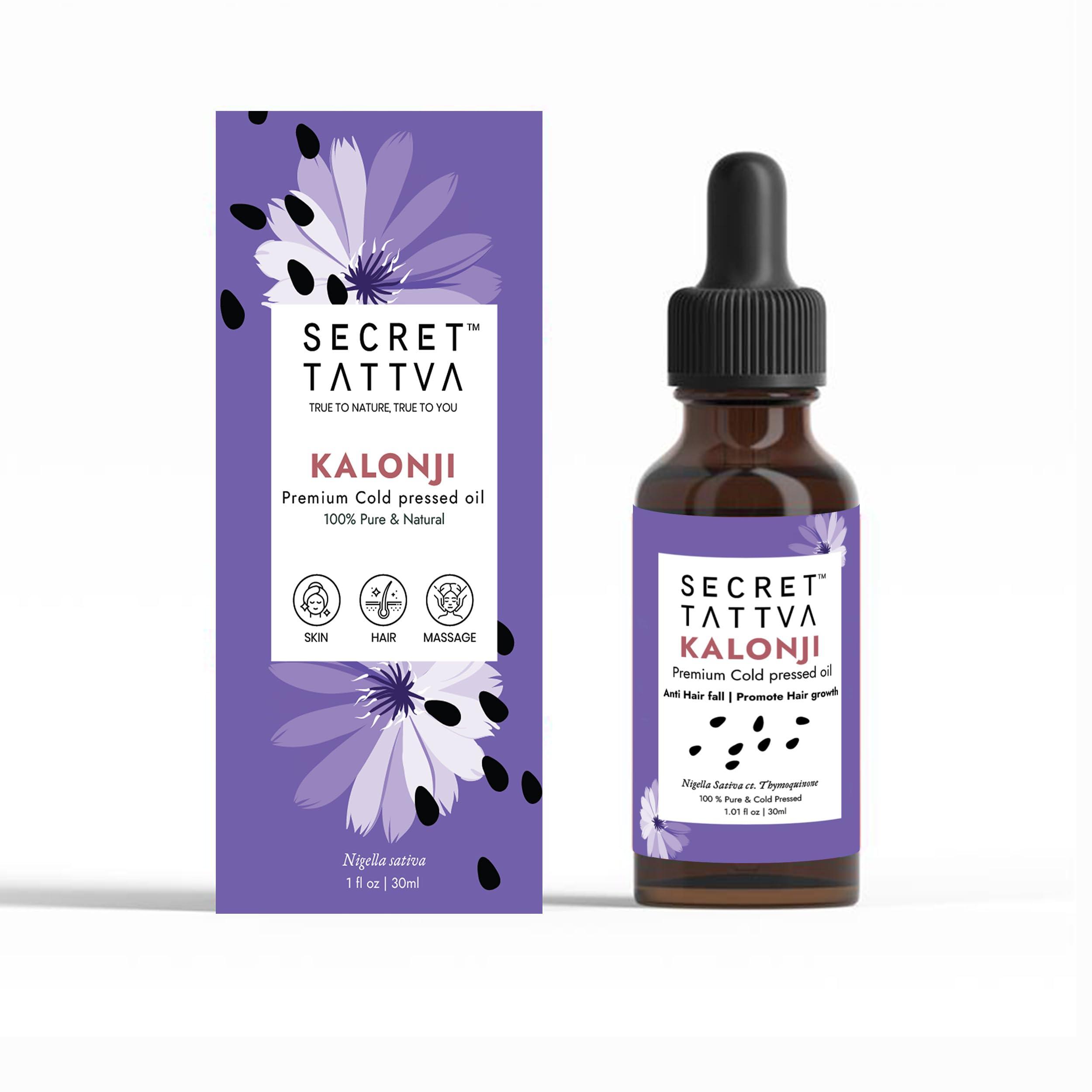
Healthy hair is often the result of consistent care, good scalp hygiene, balanced nutrition, and choosing products that suit your hair type. With growing interest in natural beauty routines, traditional botanical oils have become popular among people looking for simple ways to care for their hair. One such ingredient is kalonji oil, also known as black seed oil.
Used traditionally in beauty and wellness practices, kalonji oil is valued for its naturally occurring fatty acids and other plant compounds. When included in a suitable hair-care routine, it can help condition the scalp and hair. This guide explores the potential benefits and practical uses of kalonji oil for hair growth while explaining how to incorporate it safely into your routine.
What Is Kalonji Oil?
Kalonji oil comes from the seeds of Nigella sativa, a flowering plant commonly known as black seed or black cumin. The seeds have a long history of traditional use, and their oil is now found in various personal-care products.
The oil contains naturally occurring compounds, including fatty acids and antioxidants. These properties make it an appealing ingredient for hair and scalp care. It can help provide moisture and conditioning, particularly when hair feels dry, rough, or difficult to manage.
Although kalonji oil is widely used in natural hair care, it is important to remember that no cosmetic oil can guarantee hair growth. Hair shedding and thinning may have many underlying causes, so persistent hair loss should be evaluated by a qualified professional.
Kalonji Oil for Hair Growth
The interest in kalonji oil for hair growth comes from its traditional use as a scalp and hair-conditioning oil. Applying a suitable hair oil and gently massaging the scalp can create a relaxing self-care routine while helping distribute the product evenly.
Kalonji oil may help maintain the scalp's moisturised feel and improve the appearance and manageability of dry hair. Its plant-derived compounds also make it a popular choice among people who prefer botanical ingredients.
However, healthy hair growth depends on factors such as genetics, hormones, nutrition, age, stress, and overall health. Kalonji oil should therefore be viewed as a supportive hair-care ingredient rather than a guaranteed treatment for hair loss.
Potential Benefits of Kalonji Oil for Hair
One of the main reasons people use kalonji oil is its conditioning effect. Applying an appropriate amount can help dry strands feel smoother and softer. This can make hair easier to comb and style.
Kalonji oil can also be used as part of a scalp-care routine. Gentle massage with an appropriate formulation can help spread the oil across the scalp and hair roots. For people with a dry-feeling scalp, a suitable oil may provide additional moisturisation.
Another advantage is that oiling can become a consistent part of a weekly self-care routine. Consistency matters when maintaining the overall appearance and condition of your hair.
How to Use Kalonji Oil
Using kalonji oil does not need to be complicated. Start with a small quantity of a hair oil formulated for scalp use. Apply it gently to the scalp and massage with your fingertips for a few minutes.
Avoid scratching the scalp or using excessive pressure. After application, leave the product on for the amount of time recommended on its packaging. Many people prefer applying hair oil before shampooing.
Wash the hair thoroughly with a gentle shampoo when needed. Using too much oil can make the hair difficult to cleanse and may leave the scalp feeling heavy.
If you are trying kalonji oil for the first time, consider performing a patch test. Stop using it if you develop persistent itching, redness, burning, or other signs of irritation.
Kalonji Oil for Dry and Brittle Hair
Dry and brittle hair can be affected by frequent washing, heat styling, chemical treatments, environmental exposure, and inadequate conditioning. Regularly caring for the hair can help improve its appearance and manageability.
Kalonji oil can be used as a pre-shampoo treatment to provide conditioning before washing. Applying a moderate amount to the lengths and ends may help hair feel softer after cleansing.
People with naturally oily scalps may prefer applying oil mainly to the lengths rather than using large amounts directly on the scalp.
Supporting a Healthy Hair-Care Routine
Natural oils are only one part of maintaining healthy-looking hair. A complete routine should include regular cleansing, suitable conditioning, gentle handling, and protection from unnecessary heat.
Avoid hairstyles that pull tightly on the roots for long periods. Excessive brushing, frequent straightening, and repeated chemical treatments can also contribute to hair damage.
A balanced diet is equally important. Hair is made primarily of a protein called keratin, so getting adequate protein and a variety of essential nutrients supports normal hair and body functions.
If you notice sudden or excessive hair shedding, visible thinning, bald patches, or scalp changes, consider speaking with a dermatologist rather than relying solely on cosmetic oils.
Natural Beauty Beyond Hair Care
Natural ingredients are also widely used in skincare. Just as people explore botanical oils for scalp and hair maintenance, skincare enthusiasts often look for plant-based options for uneven-looking skin and pigmentation concerns.
For example, dark spots removal treatment may involve ingredients designed to support a more even-looking complexion. However, dark spots can have different causes, including sun exposure and post-inflammatory pigmentation. A suitable skincare routine should therefore include daily sun protection and products appropriate for your skin type.
As with hair care, consistency is important in skincare. Avoid using too many active ingredients simultaneously, particularly if your skin is sensitive.
Can Kalonji Oil Replace Hair-Loss Treatment?
Kalonji oil can be a useful addition to a cosmetic hair-care routine, but it should not be considered a replacement for medical treatment when hair loss has an underlying cause.
Hair loss may be related to hereditary factors, hormonal changes, nutritional deficiencies, stress, medications, scalp conditions, or other health concerns. Treating the cause is often more important than simply applying an oil.
If your hair loss continues for several months or becomes noticeably worse, professional evaluation can help identify possible causes and appropriate treatment options.
Choosing the Right Kalonji Oil
When selecting kalonji oil, choose a product clearly intended for hair or scalp use. Check the ingredient list and follow the manufacturer's recommended instructions.
A well-formulated product may combine kalonji oil with other botanical ingredients designed for hair conditioning. Avoid assuming that a concentrated essential oil or any product labelled "natural" is automatically suitable for direct application to the scalp.
If you have sensitive skin, patch testing can help identify potential reactions before using a new product more extensively.
Final Thoughts
Kalonji oil for hair growth has become a popular choice for people interested in traditional botanical hair care. Its conditioning properties can make it useful for supporting soft, manageable-looking hair and maintaining a moisturised-feeling scalp.
However, realistic expectations are important. Hair growth is influenced by numerous biological and lifestyle factors, and persistent hair loss may require professional assessment. A consistent routine combining gentle cleansing, conditioning, balanced nutrition, and appropriate scalp care can provide a stronger foundation for healthy-looking hair.
Natural beauty care is ultimately about choosing suitable ingredients, using them correctly, and giving your routine enough time to work. Whether you are caring for your hair or exploring dark spots removal treatment, consistency and informed product choices can help you build a practical everyday beauty routine.

 English
 Arabic
 Spanish
 Portuguese
 Deutsch
 Turkish
 Dutch
Dutch
 Italiano
 Russian
 Romaian
 Portuguese (Brazil)
 Greek
Greek
 Bengali