


How Eyelid Surgery Differs From Non-Surgical Eye Treatments
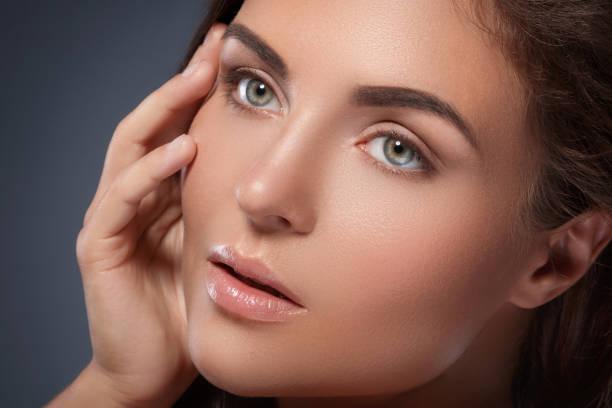
The area around the eyes is one of the first places where signs of aging, tiredness, and changes in skin quality may become noticeable. Fine lines, under-eye puffiness, dark circles, and excess eyelid skin can affect the overall appearance of the face. While non-surgical treatments may improve certain concerns, eyelid surgery offers a different approach for people with structural changes that cannot be adequately addressed with non-invasive methods. Understanding these differences can help people considering eyelid surgery in riyadh choose an option that matches their individual concerns and expectations.
What Is Eyelid Surgery?
Eyelid surgery, or blepharoplasty, is a surgical procedure designed to address selected concerns involving the upper or lower eyelids. Depending on the patient's anatomy, treatment may involve removing or repositioning excess tissue and addressing loose skin.
Upper eyelid surgery may be considered for excess skin or a heavy, hooded appearance. Lower eyelid surgery may address under-eye bags, prominent fat, or excess lower eyelid skin. The specific technique depends on the patient's facial structure and treatment goals.
What Are Non-Surgical Eye Treatments?
Non-surgical treatments include procedures that do not involve traditional surgical removal of eyelid tissue. Depending on the concern, options may include injectable treatments, laser procedures, skin resurfacing, energy-based treatments, or professionally recommended skincare.
These treatments can be useful for selected concerns such as fine lines, skin texture, pigmentation, or mild changes in volume. However, their suitability depends on the cause and severity of the problem.
The Main Difference: Structural Changes
The biggest difference between Eyelid Surgery in Riyadh and non-surgical treatments is how they address the underlying concern.
Surgery can directly address certain structural changes, such as significant excess eyelid skin or prominent fat contributing to under-eye bags. Non-surgical treatments generally work by improving skin quality, stimulating collagen, adjusting selected areas of volume, or reducing the appearance of specific surface concerns.
For someone with substantial excess skin, a non-surgical procedure may not provide the same type of correction as surgery.
When Non-Surgical Treatments May Be Appropriate
Non-surgical options may be suitable when the primary concern involves relatively mild skin changes. Fine lines, uneven texture, pigmentation, and some volume-related concerns may respond to carefully selected treatments.
For example, certain laser or skin-resurfacing procedures may improve skin texture, while injectable treatments may be considered for specific volume concerns. The appropriate treatment depends on the individual's anatomy and the cause of the problem.
Non-surgical treatment can also sometimes complement surgical treatment when different concerns are present.
When Eyelid Surgery May Be Considered
Eyelid Surgery in Riyadh may be considered when excess skin, prominent tissue, or other structural changes are creating concerns that non-surgical approaches are unlikely to adequately correct.
Upper eyelid surgery may help address significant skin laxity and heaviness. Lower eyelid surgery may be considered for persistent bags associated with changes in fat, skin, or supporting tissues.
In selected patients, excess upper eyelid skin may also affect the upper visual field. A proper assessment is necessary to determine whether the eyelid itself is responsible for the obstruction.
Comparing Recovery and Results
Non-surgical treatments typically involve less recovery than surgery, although downtime varies depending on the specific procedure. Some may cause temporary redness, swelling, sensitivity, or bruising.
Eyelid surgery involves a surgical recovery period. Swelling, bruising, tightness, and temporary dryness may occur, and the tissues require time to heal. However, because surgery can address certain structural changes directly, it may provide a more substantial correction for appropriate candidates.
The duration and nature of results also vary depending on the treatment, individual aging process, lifestyle, and underlying concern.
Which Option Is Right for You?
There is no single treatment that is best for everyone. The right choice depends on what is causing the concern, how pronounced it is, the condition of the skin and eyelids, overall health, and the patient's goals.
During a consultation, a qualified surgeon can assess the upper and lower eyelids, surrounding structures, eye health, and skin quality. They can then explain whether surgery, a non-surgical option, or a combination approach may be appropriate.
Can Treatments Be Combined?
In some cases, different treatments may be used to address separate concerns. For example, eyelid surgery may improve excess skin or under-eye bags, while another treatment may target skin texture or pigmentation.
However, combining procedures should be based on an individualized treatment plan rather than simply choosing multiple treatments. A professional assessment helps determine which concerns need to be addressed and in what order.
Consider Your Long-Term Goals
When deciding between Eyelid Surgery in Riyadh and non-surgical treatments, consider both your immediate concerns and your long-term expectations. Non-surgical treatments may be appropriate for subtle improvements, while surgery may be more suitable when structural eyelid changes are significant.
Neither option stops the natural aging process. Maintaining realistic expectations and understanding the limitations of each treatment can help you make a more informed decision.
Book an Appointment With Royal Clinic Saudia
If you are unsure whether your eye-area concerns require surgery or may respond to a non-surgical approach, Royal Clinic Saudia can provide a personalized consultation. For those considering Eyelid Surgery in Riyadh, an assessment can help identify the underlying concerns and determine which treatment approach is most appropriate for your individual needs.
FAQs:
Is eyelid surgery better than non-surgical eye treatments?
Neither is universally better. Surgery may be more appropriate for significant structural changes, while non-surgical treatments can be useful for selected skin, texture, pigmentation, or mild volume concerns.
Can non-surgical treatments remove excess eyelid skin?
Non-surgical procedures generally cannot remove significant excess skin in the same way that blepharoplasty can. Suitability depends on the amount and location of skin laxity.
Do non-surgical eye treatments have downtime?
Some have minimal downtime, while others may cause temporary redness, swelling, bruising, or sensitivity. Recovery depends on the specific treatment.
Can eyelid surgery and non-surgical treatments be combined?
In selected cases, different treatments may be combined to address separate concerns. A qualified professional should determine whether combining treatments is appropriate.

 English
 Arabic
 French
 Spanish
 Portuguese
 Deutsch
 Turkish
 Dutch
Dutch
 Russian
 Romaian
 Portuguese (Brazil)
 Greek
Greek
 Bengali