


Event Security Essentials Every Australian Organiser Needs
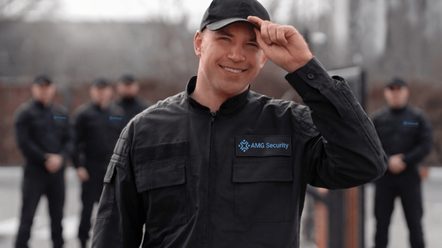
Running an event for the first time can feel like managing dozens of moving parts at once, and security is often the area organisers feel least confident about. Unlike catering or entertainment, where personal taste plays a large role, security decisions carry real consequences if something goes wrong.
Understanding the essentials of an events security service before booking a provider gives organisers a much stronger position to plan from, whether the event is a modest community gathering or a large public celebration.
Understanding What Drives Security Requirements
Every event has a genuinely different risk profile, shaped by factors such as expected attendance, whether alcohol will be served, the nature of the venue and whether the event is open to the public or restricted to invited guests. A private dinner for forty guests in a hired function room carries a very different level of risk to an outdoor community festival expecting several thousand visitors across a full day, and treating both the same way rarely makes sense.
Understanding these driving factors helps organisers have a more informed conversation with potential providers, rather than simply asking how many guards are needed without context. A provider who takes the time to understand these factors before recommending staffing numbers is generally offering a more considered service than one working from a fixed formula.
Licensing Requirements Organisers Should Know About
Security personnel operating in Australia must hold a valid security licence issued by the relevant state authority. This applies to individual guards as well as the security company itself, and licensing requirements can differ slightly depending on the state where the event is being held. Organisers do not need to become experts in this regulatory framework, but it is worth confirming directly with a provider that their staff hold current, valid licensing for the state in question.
This is not simply a compliance formality. Licensing exists to ensure that anyone working in a security role has met minimum training standards and passed relevant background checks, which matters considerably when that person may be responsible for managing a crowd or responding to an incident.
Alcohol Service and Responsible Service Obligations
Many Australian events involve alcohol service, whether through a licensed bar, catering package or bring-your-own arrangement. Where alcohol is served, security staff often work alongside venue or catering staff responsible for Responsible Service of Alcohol obligations, helping identify guests who may be approaching intoxication and supporting a calm, respectful response when service needs to be declined, without embarrassing the guest in front of others.
Organisers planning an event with alcohol service should discuss this specifically with their security provider, since staffing and positioning decisions often differ for events where alcohol plays a central role compared to those where it is simply available.
Entry Control and Guest List Management
For ticketed or invitation-only events, managing entry accurately is one of the more practical essentials organisers need to plan for. This might involve checking tickets or names against a guest list, managing wristbands or passes, and handling situations where someone attempts to enter without appropriate authorisation. Clear guidelines given to security staff in advance, including how to handle plus-ones or late additions to a guest list, help avoid confusion or awkward situations at the entrance.
For public events without a fixed guest list, entry control instead focuses on managing capacity, monitoring bag policies where relevant, and ensuring entry points do not become overcrowded during peak arrival periods.
Emergency Procedures Every Event Should Have
Regardless of size, every event benefits from having clear emergency procedures in place before the day begins. This includes knowing the location of nearest exits, having a plan for medical incidents, and understanding evacuation procedures if the event ever needs to be paused or ended early, along with a clear sense of who takes charge if that decision needs to be made quickly. Security staff typically lead this planning, working with venue management to confirm procedures specific to that particular space.
Organisers searching for an events security service in Australia should expect this kind of emergency planning to be a standard part of the service offered, rather than something arranged only if specifically requested.
Weather Contingencies for Outdoor Events
Outdoor events in Australia need to plan around weather in a way that indoor venues generally do not. Sudden storms, extreme heat or strong wind can all affect guest safety, and a well-prepared security team will have discussed contingency plans with organisers in advance, including shelter locations, hydration points and, where necessary, procedures for pausing an event until conditions improve.
This kind of planning is particularly relevant for festivals, markets and sporting events held during warmer months, when heat-related incidents become a genuine consideration alongside more obvious safety concerns. Coastal or regional venues can also bring their own conditions, such as strong afternoon winds, which a locally experienced provider will already know to plan around.
Communication Between Security and Event Staff
A clear communication structure between security staff, venue management and other event suppliers helps everything run more smoothly on the day. This usually involves a pre-event briefing where roles are clarified, along with a defined method of communication, typically radios, for use throughout the event. Organisers benefit from understanding this structure themselves, since knowing who to contact if an issue arises reduces confusion during the event itself, particularly for organisers who are less familiar with how security teams typically operate on the ground.
Staffing Ratios and Getting Numbers Right
One of the most practical questions organisers ask is how many security staff an event actually needs. There is no single fixed answer, since the right number depends on attendance, venue layout, alcohol service and the general nature of the event. A cautious provider will usually walk through these factors with the organiser rather than quoting a number immediately, since getting this ratio right matters both for safety and for cost management overall.
Under-resourcing an event creates obvious safety risks, but over-resourcing also carries a cost that many smaller organisers cannot easily absorb. A transparent conversation about how staffing numbers are calculated, including what would trigger additional staff being added closer to the event, helps organisers budget accurately while still maintaining an appropriate level of cover throughout the day.
Briefing Security Staff on Event-Specific Details
Every event has details that are unique to it, whether that is a VIP guest requiring discreet additional attention, a particular area that needs to remain restricted, or a specific procedure requested by the venue. Sharing these details with the security team ahead of time, ideally through a written briefing document, ensures staff arrive already familiar with the event rather than learning key details on the spot.
This kind of preparation might seem like a small detail, but it often makes a noticeable difference to how smoothly an event runs. Security staff who understand the specific context of an event, rather than simply working from a generic checklist, tend to respond more appropriately when something unexpected comes up.
Post-Event Considerations Worth Planning For
Security responsibilities do not always end the moment guests leave. Depending on the event, this might include monitoring the venue during pack-down, managing lost property, or providing a brief debrief on how the event went from a security perspective. Discussing these post-event responsibilities in advance avoids any confusion about where security involvement ends, particularly for venues where equipment or décor is left onsite overnight and needs to remain secure until it can be collected the following day.
Final Thoughts
Approaching event security with a clear understanding of these essentials, from licensing and alcohol service through to emergency planning and weather contingencies, gives organisers a far stronger foundation to plan from..
AMG Security works with organisers across a wide range of Australian events to cover these essentials thoroughly, helping ensure that nothing important gets left to chance once the event is underway and guests begin to arrive.

 English
 Arabic
 French
 Spanish
 Portuguese
 Deutsch
 Turkish
 Dutch
Dutch
 Russian
 Romaian
 Portuguese (Brazil)
 Greek
Greek
 Bengali