


Selling Your Surplus Industrial Equipment: A Simple Guide for Plant Owners
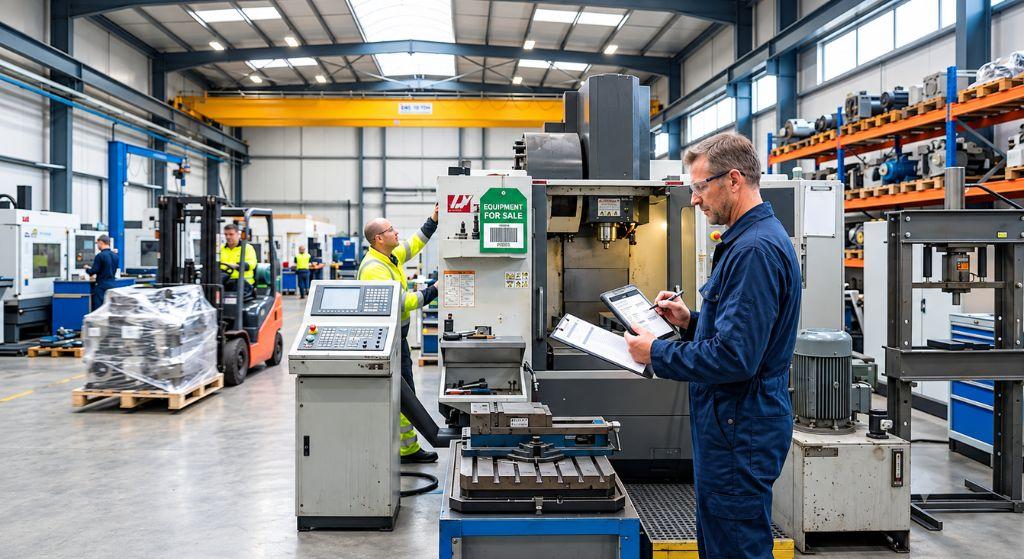
Plant owners often have industrial equipment sitting in storage that is no longer needed. It may be leftover from a facility upgrade, excess inventory from a project, discontinued equipment, or parts removed from an older system. Instead of letting these items take up valuable space, selling them can be a practical way to recover value.
If you are planning to sell used automation equipment, electrical components, PLCs, tooling, or other industrial parts, knowing what information to provide and how the process works can make things easier.
What Counts as Surplus Industrial Equipment?
Surplus industrial equipment can include products that a business no longer needs but may still be useful to another company. Equipment does not necessarily have to be new to have value.
Common examples include:
- PLCs, controllers, drives, and automation components
- Sensors, circuit boards, electrical components, and power supplies
- Motors, pumps, valves, tooling, and MRO parts
Surplus inventory may be unused, used, discontinued, excess, or left over after a project. The exact value depends on factors such as condition, manufacturer, model, demand, and quantity.
Why Should Plant Owners Sell Their Surplus Equipment?
Keeping unused equipment in a warehouse has costs. It takes up space and can make inventory management more difficult, especially when a plant has accumulated parts over many years.
Selling surplus equipment can help you:
- Free up storage space
- Recover value from unused inventory
- Remove obsolete or excess equipment from your facility
- Simplify inventory management
Even equipment that is no longer required by your plant may be useful to another business looking for a specific replacement or hard-to-find part.
How to Prepare Your Equipment for Sale
Before contacting a buyer, gather as much information about the equipment as possible. Good information helps buyers understand what you have and can make the review process faster.
Start by creating a list that includes:
- Manufacturer and exact part number
- Quantity available
- New, used, surplus, or other condition
- Location and available documentation
Clear photos can also be helpful. Take pictures of the equipment, product labels, model numbers, packaging, and any visible condition details.
If you have a large inventory, an existing spreadsheet, parts list, or inventory export can make it easier to share the information.
How to Sell Used Automation Equipment
Businesses can sell used automation equipment from old machinery, plant upgrades, completed projects, or excess inventory. This can include PLCs, drives, controllers, sensors, communication modules, and other automation parts.
When selling automation equipment, the exact part number is particularly important. Different versions of a similar product may have different specifications or compatibility requirements.
VB Industrial Supply purchases a range of surplus and used industrial equipment. Plant owners, manufacturers, contractors, and other businesses can provide equipment details, part numbers, photos, or inventory lists for review.
What Happens When You Sell Your Industrial Parts?
The selling process can be straightforward when you have your inventory information ready.
A typical process may include:
- Submit your inventory: Provide part numbers, quantities, photos, or an equipment list.
- Inventory review: The buyer reviews the available products and their condition.
- Discuss the offer: If the equipment fits the buyer's requirements, the purchase details can be discussed.
- Arrange the transaction: Shipping, pickup, and other logistics can then be arranged.
If you want to Sell Industrial Parts, providing accurate information from the beginning can help avoid unnecessary delays.
Why Work With an Industrial Equipment Buyer?
Selling individual industrial parts can take time, particularly when you have a large amount of inventory. Finding a separate buyer for every PLC, electrical component, or piece of tooling may not be practical.
Working with an industrial equipment buyer can provide a more convenient option for businesses with larger inventories. An experienced buyer can review different types of industrial products and understand the importance of manufacturers, part numbers, conditions, and quantities.
If you want to Sell automation equipment, working with a company that already deals with industrial products can make the process easier.
VB Industrial Supply Buys Surplus Equipment
VB Industrial Supply is not only a supplier of industrial products. The company also purchases surplus and used industrial equipment from businesses.
Plant owners and suppliers can contact VB Industrial Supply with information about available PLCs, automation equipment, electrical parts, MRO inventory, tooling, motors, valves, and other industrial products.
Whether you have a few components or a larger inventory, providing your available equipment details gives the team an opportunity to review what you have and discuss a potential purchase.
Final Checklist Before Selling
Before contacting an industrial equipment buyer, make sure you have:
- Part numbers and manufacturer information
- Quantities and condition details
- Clear photos of the equipment and labels
- Any available inventory lists or documentation
Surplus equipment does not always need to remain unused in a warehouse. Parts that are no longer needed at your facility may still be valuable to another business.
If you have excess, used, or surplus industrial equipment, consider getting it reviewed rather than letting it continue to take up storage space.

 English
 Arabic
 French
 Spanish
 Portuguese
 Deutsch
 Turkish
 Dutch
Dutch
 Russian
 Romaian
 Portuguese (Brazil)
 Greek
Greek
 Bengali