


Why Does Mansen Waterproof Canopy Tent Placement Matter In Windy Weather
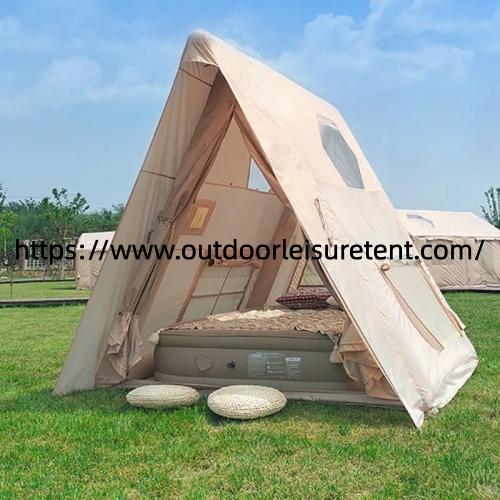
Waterproof Canopy Tent setup requires more planning than simply opening the frame and attaching the cover. Weather conditions, ground type, wind direction, drainage, anchoring equipment, and expected usage all influence how an outdoor shelter should be positioned. For buyers and users, understanding these factors can make preparation more practical while helping protect people, equipment, and the structure during changing conditions.
Before installation, inspect the location carefully. A level surface is easier to work with because uneven ground can place additional stress on the frame and make the structure harder to stabilize. When rain is expected, avoid low areas where water can collect. A location with natural drainage can help reduce standing water around the legs and entrances. It is also useful to consider nearby buildings, trees, traffic areas, and pedestrian paths when selecting a suitable position.
Wind deserves particular attention because an outdoor cover can catch moving air and create uplift. Current safety guidance recommends using manufacturer specified anchoring and weight requirements rather than relying on the frame alone. Before setup, identify whether the surface is grass, soil, pavement, concrete, or another material. Different surfaces require different securing methods. Stakes may work well on suitable ground, while weighted systems can be more practical where penetration is not possible.
The direction of the wind can also influence placement. If conditions are breezy, avoid positioning the open side directly toward prevailing airflow when the site allows another orientation. Additional guy lines or suitable ballast may provide added stability depending on the product design and manufacturer instructions. Sidewalls should receive special attention because additional enclosed fabric can increase wind loading. Some manufacturers recommend removing sidewalls when wind begins to increase.
Rain introduces another group of considerations. A sloped roof can help direct water away from the center rather than allowing it to remain on the fabric. The cover should be properly tensioned according to the product instructions, while seams, attachment points, and drainage areas should be checked before use. Water accumulation can place unnecessary weight on the structure, so users should monitor the roof during prolonged rainfall instead of assuming that water resistant fabric alone solves every issue.
Temperature and sunlight can also influence outdoor comfort. During warm conditions, ventilation becomes important, especially when several people gather beneath the shelter. Open sides can improve airflow, while suitable positioning can provide shade during different parts of the day. For longer outdoor activities, buyers may want to consider fabric treatments, roof construction, removable walls, ventilation openings, and frame materials as part of the overall product specification.
When preparing for changing weather, a simple inspection routine can make setup more consistent. Check the frame joints, leg locks, roof connections, ropes, stakes, weights, and fabric before opening the shelter to users. During an event, inspect the anchoring points periodically if conditions change. Recent canopy safety guidance also emphasizes that unexpected wind can turn an unsecured structure into a hazard, making proper anchoring an important part of event preparation.
Storage after wet weather is equally important. If the fabric becomes damp, allow it to dry thoroughly before folding and storing it. Storing wet material for an extended period can contribute to unpleasant odors and material deterioration. One manufacturer setup guide specifically recommends drying wet fabric before closing and storing the structure. A clean and dry storage process can also make the next setup easier.
For buyers selecting products for commercial distribution, these practical details can influence product design and customer satisfaction. Mansen can work with different outdoor leisure requirements, including fabric specifications, frame structures, dimensions, colors, accessories, packaging, and production arrangements. Considering the expected climate and application before production can help buyers create a product specification that matches their intended market.
Weather planning should always follow the specific product instructions and local safety requirements. If conditions become unsuitable for the structure, taking it down may be the appropriate choice rather than trying to reinforce it beyond its intended use. For product selection, manufacturing discussions, and outdoor leisure shelter solutions, buyers can visit https://www.outdoorleisuretent.com/ and review options that fit their project requirements.

 English
 Arabic
 French
 Spanish
 Portuguese
 Deutsch
 Turkish
 Dutch
Dutch
 Italiano
 Russian
 Romaian
 Portuguese (Brazil)
 Bengali