


Why Pressure Washing in Savannah, GA Matters So Much
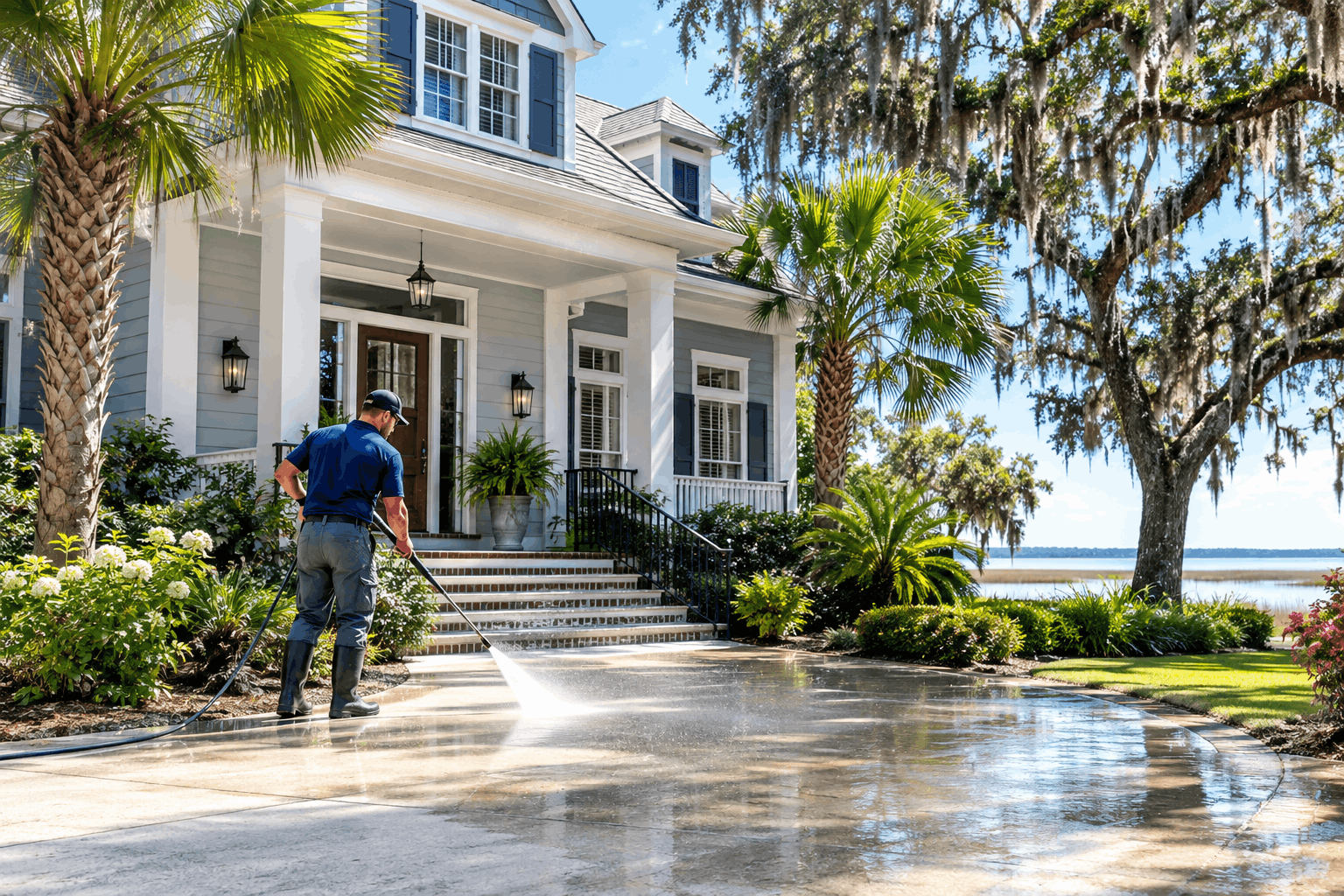
Anyone who has lived along the Georgia coast knows the story. A homeowner powers up the driveway one morning, coffee in hand, and notices the once-bright siding has turned a dull shade of green. Black streaks run down the roof. The patio looks slick and grimy. In a place this warm and this humid, grime doesn't just show up. It settles in and stays.
That's the daily reality behind the demand for pressure washing in Savannah, GA. The combination of coastal moisture, heat, and thick tree cover creates the perfect conditions for mold, mildew, algae, and pollen to build up on nearly every outdoor surface. Understanding how exterior cleaning works in this climate helps local property owners protect their homes and keep them looking sharp.
The Coastal Climate Problem
Savannah sits in a subtropical zone, which means long, sticky summers and mild but damp winters. Humidity rarely takes a break. That moisture clings to walls, fences, walkways, and rooftops, giving organic growth a place to thrive.
Salt air from the nearby Atlantic adds another layer of wear. It settles onto surfaces and speeds up the breakdown of paint, wood, and stone. Pollen from the region's heavy oak and pine coverage coats everything in yellow each spring.
All of this means exterior surfaces here get dirty faster than they do in drier parts of the country. Regular cleaning isn't just about looks. It's a form of upkeep that many local homes genuinely need.
Pressure Washing vs. Soft Washing
People often use "pressure washing" as a catch-all term, but there are actually two main methods, and the difference matters.
Traditional pressure washing uses high-pressure water to blast away dirt from tough surfaces like concrete driveways, brick, and pavers. It works well when the surface can handle the force.
Soft washing, on the other hand, uses low pressure combined with specialized cleaning solutions. This gentler approach suits delicate surfaces such as roof shingles, painted siding, and stucco. The solution breaks down mold and algae at the root, so results tend to last longer.
Choosing the wrong method can cause damage. High pressure on a shingle roof or aging paint can strip material and force water where it shouldn't go. That's why matching the technique to the surface is such a big part of the job.
The Real Benefits Beyond Appearance
A clean exterior obviously looks better, but the advantages run deeper than curb appeal.
Removing mold and mildew protects the health of anyone who spends time outdoors around the home. These growths can trigger allergies and worsen respiratory issues, especially in a humid environment where they multiply quickly.
Regular cleaning also protects the value of the property. Algae and grime slowly eat away at siding, wood, and roofing materials. Clearing them off helps surfaces last longer and delays costly repairs.
There's a safety angle too. Slick, algae-covered walkways and pool decks become hazards after a rain. A thorough cleaning restores traction and reduces the risk of slips.
How This Plays Out in Local Neighborhoods
Consider a family in a historic district home with original wood siding. Blasting it with high pressure would be a mistake, so soft washing becomes the safer route. The gentle method lifts years of buildup without harming the finish.
Just south of the city, communities like Richmond Hill face the same climate challenges. House washing in Richmond Hill, GA has grown popular for exactly this reason, as newer subdivisions battle the same mold and pollen that older Savannah homes deal with.
A homeowner might notice green streaks creeping up the north-facing wall, the side that gets the least sun and stays damp longest. That shaded area is almost always the first to show growth, and it's often what prompts a call for professional cleaning.
Local providers such as Squeaky Clean Soft Washing and Lawn Care Services LLC are among the outfits that tailor their approach to these coastal conditions, adjusting methods based on the surface and the level of buildup.
What to Look for in a Cleaning Approach
Not every surface should be treated the same way, and the best results come from a bit of planning.
Timing helps. Many property owners schedule house washing in Richmond Hill, GA and the greater Savannah area in spring, after pollen season, or in early fall before winter dampness sets in.
The cleaning solution matters as much as the water. Eco-conscious formulas that break down safely help protect surrounding lawns, gardens, and local waterways, which is an important consideration in a region so tied to its natural landscape.
Finally, attention to detail separates a quick rinse from a real cleaning. Reaching shaded corners, gutters, and lower siding where growth hides makes the difference between a surface that stays clean and one that turns green again within weeks.
Keeping Results Longer
Once a home is clean, a little maintenance stretches the results. Trimming back overhanging branches lets more sunlight reach damp walls, slowing regrowth. Keeping gutters clear prevents water from pooling and streaking down siding.
Rinsing off pollen during heavy bloom season also helps. A quick spray now and then keeps buildup from taking hold between deeper cleanings.
For most homes in the area, a full exterior cleaning once or twice a year keeps mold, algae, and grime under control. The exact schedule depends on shade, tree cover, and how close the property sits to the coast.
Final Thoughts
The demand for pressure washing in Savannah, GA comes down to a simple truth: the same warm, humid climate that makes the region beautiful also makes exterior surfaces work hard. Regular cleaning protects both the look and the lifespan of a home.
For anyone noticing green streaks or a dull, dingy exterior, the practical next step is straightforward. Identify the surface, match it to the right method, and consider whether soft washing or traditional pressure washing fits the job best.
Frequently Asked Questions
How often should a home be pressure washed in Savannah?
Most homes in the area benefit from a full exterior cleaning once or twice a year. Properties with heavy shade or dense tree cover may need it more often since they stay damp longer.
Is soft washing better than pressure washing for roofs?
Yes. Roofs and shingles are delicate, so soft washing with low pressure and cleaning solutions is the safer choice. High pressure can loosen shingles and force water underneath them.
Does pressure washing damage siding or paint?
It can if the pressure is too high for the surface. Painted siding, stucco, and older wood usually call for soft washing to avoid stripping the finish or causing leaks.
When is the best time of year for exterior cleaning?
Spring, after pollen season, and early fall are popular choices. Cleaning at these times clears seasonal buildup before humidity and dampness settle in.
Can cleaning solutions harm lawns and plants?
Some can, which is why eco-friendly formulas are recommended. These break down safely and reduce the risk of harm to grass, gardens, and nearby waterways.

 English
 Arabic
 French
 Spanish
 Portuguese
 Deutsch
 Turkish
 Dutch
Dutch
 Italiano
 Russian
 Romaian
 Greek
Greek
 Bengali