


How to Care for Traditional Handmade Rugs and Keep Them Looking Beautiful
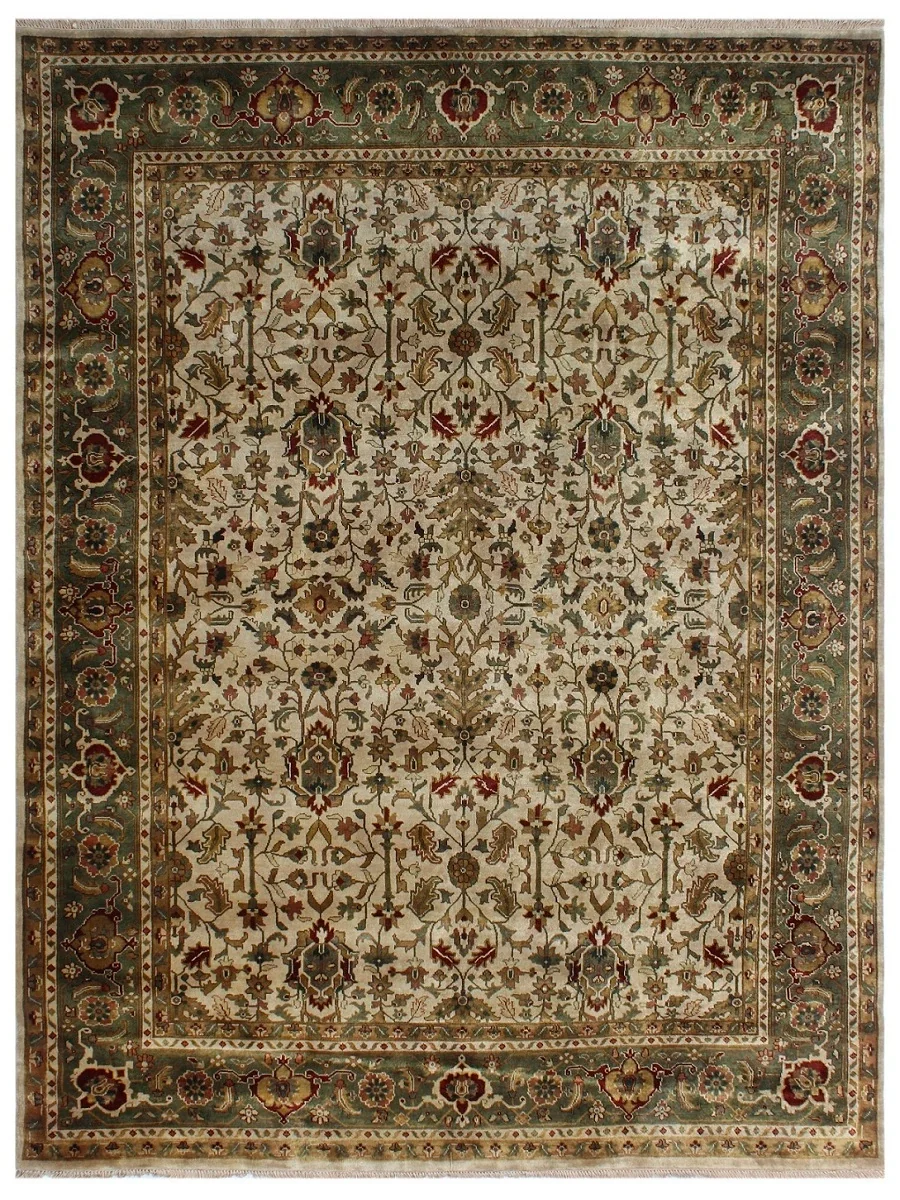
Traditional handmade rugs last for decades when you vacuum them correctly, treat spills immediately, deep clean every 12-18 months, and protect them from sun and moisture. Avoid harsh chemicals, hot water, and rough handling. With the right care routine, a handmade rug becomes a lasting piece in your home rather than a short-term purchase.
A handmade rug takes months, sometimes years, to weave by hand. Every knot represents a skill passed down through generations, and that craftsmanship deserves more than casual upkeep. Traditional rugs aren't like the mass-produced options you find in a big-box store. They're built from natural fibers, dyed using time-tested methods, and constructed to age well when treated properly.
Skip proper care, though, and even the finest rug loses its shape, color, and value. Dirt breaks down fibers. Sunlight fades dyes. Moisture invites mold. The good news is that caring for a handmade rug isn't complicated once you understand what it needs.
This guide walks through everything you need to know: how to identify your rug type, maintain it daily, handle spills without causing damage, deep clean it the right way, and protect it for the long haul. Whether you already own a treasured piece or plan to buy rugs online, these practices will help you get the most out of your investment.
What Types of Traditional Rugs Should You Know About?
Not all handmade rugs are the same, and knowing what you own changes how you care for it.
Persian rugs are typically made from wool or silk, featuring dense knots and intricate floral or geometric patterns. Turkish rugs often use wool with a slightly looser weave, giving them a softer, more textured feel. Indian rugs vary widely, from wool dhurries to silk-blend pieces with detailed embroidery, and are a major reason many buyers choose to buy rugs online in India, where regional weaving traditions run deep.
Materials matter just as much as origin. Wool is durable and naturally stain-resistant, making it forgiving for everyday use. Silk looks luxurious but is delicate and prone to sun damage. Cotton, often used as a foundation material, adds structure but can wear down faster under heavy foot traffic.
Construction quality also plays a role. Hand-knotted rugs, where each knot is tied individually, tend to last longer than hand-tufted rugs, which use a different technique and glue backing. Knowing your rug's material and construction helps you choose the right cleaning method and avoid mistakes that cause premature wear.
How Often Should You Vacuum a Handmade Rug?
Regular vacuuming removes the dirt and grit that wears down fibers from the inside. Aim to vacuum your rug once a week, twice if it sits in a high-traffic area like an entryway or living room.
Use a vacuum without a beater bar, or switch to the suction-only setting. Beater bars can pull at knots and loosen fringe, especially on delicate or antique pieces. Vacuum in the direction of the pile, and go over the rug slowly rather than rushing back and forth.
Flip your rug over occasionally and vacuum the back too. This pulls out dust that settles at the base of the fibers, which regular front-side cleaning misses.
Rotating your rug every six months also helps. Sunlight and foot traffic hit certain areas harder than others, so rotating it evens out fading and wear over time.
What's the Right Way to Handle Spills and Stains?
Act fast. The longer a spill sits, the deeper it soaks into the fibers, and the harder it becomes to remove.
Start by blotting, not rubbing. Rubbing pushes the stain deeper and can damage the fibers around it. Use a clean, dry cloth and press down gently, working from the outside of the stain toward the center.
For liquid spills, a mild solution of water and a small amount of dish soap works for wool rugs. Avoid this on silk rugs, which need a professional touch or a solution specifically made for delicate fibers. Always test any cleaning solution on a small, hidden section of the rug first.
If the stain doesn't lift after a couple of gentle attempts, stop. Continuing to scrub can cause more damage than the stain itself. At that point, call a professional rug cleaner who specializes in handmade pieces.
How Often Does a Handmade Rug Need Deep Cleaning?
Even with regular vacuuming, handmade rugs need a deeper clean every 12 to 18 months. Deep cleaning removes embedded dirt, allergens, and odors that surface cleaning can't reach.
Professional cleaning is the safest choice, especially for silk or antique rugs. Professionals use specialized equipment and know how to clean without damaging natural dyes or delicate weaves. It's an added cost, but it protects the rug's long-term value.
DIY deep cleaning is possible for sturdier wool rugs. This usually involves shaking out the rug outdoors, gently beating it to release dust, and hand-washing with a mild, rug-safe cleanser. That said, DIY methods have limits. They can't fully remove deep-set dirt or treat certain stains, and incorrect drying can lead to mold.
Watch for signs that your rug needs professional attention: a musty smell, dullness that vacuuming doesn't fix, or stiff, matted fibers. These signs point to buildup that only a deep clean can address.
How Do You Protect a Handmade Rug Long-Term?
A rug pad is one of the simplest ways to extend a rug's life. It prevents slipping, reduces friction against the floor, and adds a layer of cushioning that reduces wear on the rug's underside.
Environmental factors matter too. Direct sunlight fades dyes over time, so rotate your rug or use curtains to limit exposure during peak sunlight hours. High humidity encourages mold and mildew, particularly in wool and silk rugs, so keep your rug in a space with stable temperature and moisture levels.
If you need to store a rug temporarily, clean it thoroughly first. Roll it, rather than fold it, to avoid creasing the fibers, and wrap it in breathable fabric, not plastic, to prevent moisture buildup. Store it somewhere dry and cool, away from direct sunlight.
Pests, like moths, are drawn to natural fibers such as wool and silk. Cedar blocks or lavender sachets placed near stored rugs act as a natural deterrent. Regular vacuuming also helps, since pests are less likely to settle into a rug that's cleaned often.
What Mistakes Should You Avoid When Caring for a Rug?
Harsh chemicals and hot water damage natural dyes and weaken fibers. Stick to mild, rug-appropriate cleaners and cool or lukewarm water.
Over-vacuuming, or using the wrong equipment, causes more harm than good. A beater bar on a delicate silk rug, for example, can fray the fibers within months.
Small issues, like a loose thread or a fraying edge, need attention right away. Left alone, they unravel further and turn a simple fix into a costly repair.
Caring for Your Rug Is an Investment That Pays Off
A traditional handmade rug holds up for decades when you give it the right care. Regular vacuuming, quick action on spills, scheduled deep cleaning, and long-term protection all work together to keep your rug looking as good as the day you brought it home.
The upfront effort is small compared to the payoff. A well-maintained rug keeps its color, shape, and value, making it a piece you can pass down rather than replace.
If you're ready to add a new piece to your home, take time to research reputable sellers before you buy rugs online. Look for details on material, weaving technique, and origin. And if your current rug needs attention beyond home care, don't hesitate to reach out to a professional rug cleaner who understands traditional rugs.
Frequently Asked Questions
How much does it cost to professionally clean a handmade rug?
Costs vary based on rug size, material, and condition, but professional cleaning typically costs more than standard carpet cleaning due to the specialized care handmade rugs require. Contact a local specialist for an accurate quote based on your specific rug.
How long does a handmade rug last with proper care?
A well-maintained handmade rug can last several decades, and in some cases, generations. Wool rugs are especially durable, while silk rugs require more careful handling to reach the same lifespan.
Can I clean a silk rug at home?
It's best to avoid DIY cleaning for silk rugs. Silk fibers are delicate and can be easily damaged by water, heat, or the wrong cleaning solution. Professional cleaning is the safer choice.
What's the biggest risk to a handmade rug's lifespan?
Prolonged sun exposure, moisture buildup, and harsh cleaning chemicals cause the most long-term damage. Addressing these three factors goes a long way toward preserving your rug.
Is it safe to buy rugs online in India without seeing them in person first?
Yes, as long as you buy from a reputable seller who provides detailed information on materials, weaving technique, and origin, along with clear photos and return policies.

 English
 Arabic
 French
 Spanish
 Portuguese
 Deutsch
 Turkish
 Dutch
Dutch
 Italiano
 Russian
 Romaian
 Greek
Greek
 Bengali