


What Determines Circuit Breaker Price
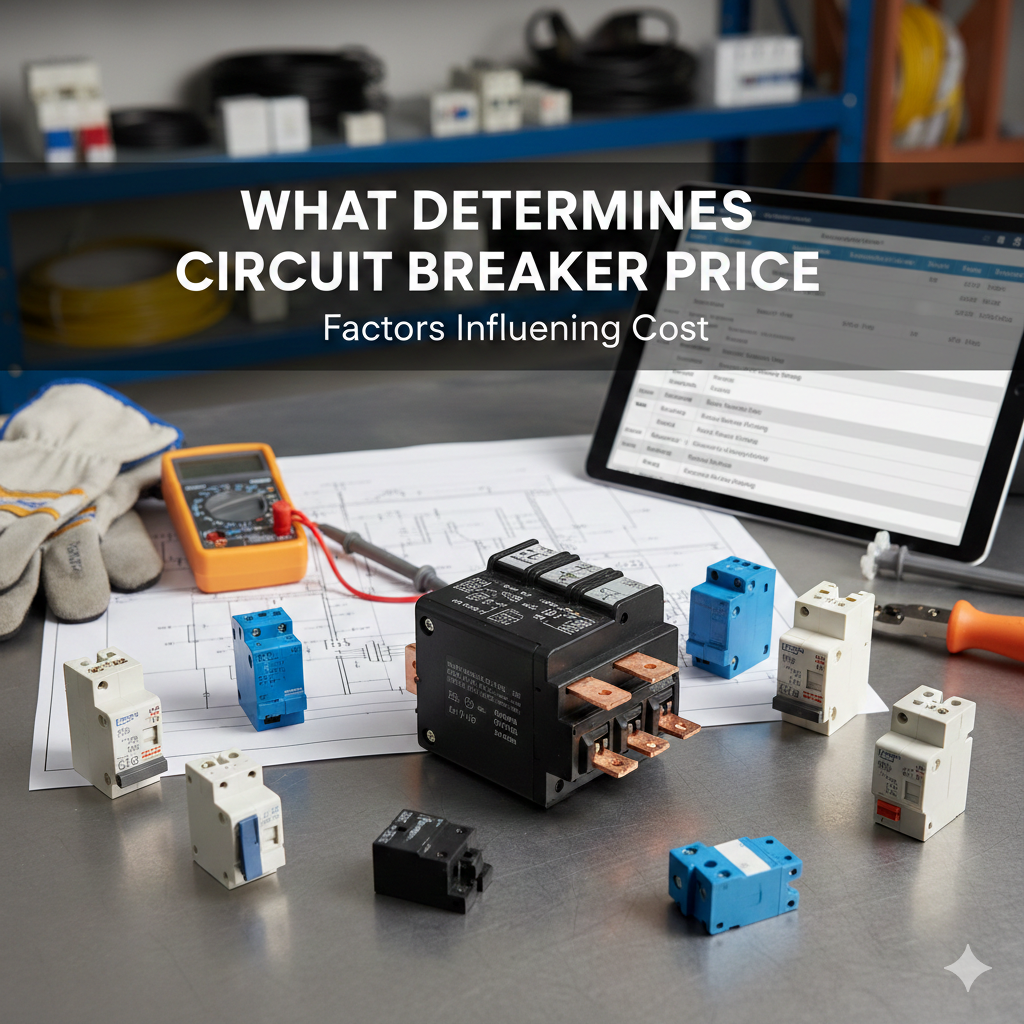
When planning an electrical installation or upgrading an existing system, one of the most common questions is about circuit breaker price. Whether you are a homeowner, contractor, or business owner, understanding how pricing works can help you make informed and cost-effective decisions.
Circuit breakers are essential safety devices that protect electrical systems from overloads, short circuits, and potential fire hazards. However, prices can vary widely depending on type, brand, capacity, and application. In this detailed guide, we will explore the key factors that influence circuit breaker price, different types available in the market, and practical tips to help you choose the right breaker for your needs.
Understanding the Role of a Circuit Breaker
Before discussing circuit breaker price, it is important to understand what a circuit breaker does.
A circuit breaker automatically interrupts electrical flow when it detects a fault such as an overload or short circuit. Instead of allowing wires to overheat or appliances to burn out, the breaker trips and cuts off power. Unlike fuses, which must be replaced after blowing, circuit breakers can be reset and reused.
Because circuit breakers play a critical role in electrical safety, quality and reliability should never be compromised for the sake of saving money.
Why Circuit Breaker Price Varies So Much
If you browse online or visit a local electrical supply store, you will notice that circuit breaker price ranges significantly. Some basic models are relatively affordable, while industrial-grade breakers can cost several times more.
Here are the main factors that influence pricing:
1. Type of Circuit Breaker
The type of breaker has the biggest impact on cost.
Miniature Circuit Breakers MCB
MCBs are commonly used in residential and small commercial installations. They protect individual circuits such as lighting or power outlets. MCBs are generally the most affordable option, making them popular in homes and small offices.
Because they handle lower current ratings, their circuit breaker price is typically lower compared to larger systems.
Molded Case Circuit Breakers MCCB
MCCBs are designed for higher current applications and are often used in commercial and industrial environments. They offer adjustable trip settings and higher breaking capacities.
Due to their larger size, higher performance, and advanced features, MCCB circuit breaker price is significantly higher than that of MCBs.
Air Circuit Breakers ACB
ACBs are mainly used in large industrial facilities and power distribution systems. They can handle very high currents and offer advanced protection features.
As a result, ACB circuit breaker price is usually among the highest in the market.
Residual Current Circuit Breakers RCCB
RCCBs provide protection against electric shock by detecting leakage currents. These are essential for enhancing safety in residential and commercial installations.
Their circuit breaker price depends on sensitivity level and capacity but is generally moderate compared to industrial breakers.
2. Current Rating and Breaking Capacity
The ampere rating of a breaker significantly affects circuit breaker price.
-
Lower ratings such as 6A, 10A, or 16A are cheaper.
-
Higher ratings such as 100A, 250A, or above increase the cost.
-
Breaking capacity, measured in kA, also influences pricing.
For example, a breaker with a 10kA breaking capacity will typically cost more than one rated at 6kA because it can handle higher fault currents safely.
3. Brand and Manufacturer
Brand reputation plays a major role in circuit breaker price. Well-known international manufacturers often charge more due to:
-
Strict quality control
-
Certifications and compliance standards
-
Longer product lifespan
-
Better after-sales support
Some of the globally recognized brands include:
-
Schneider Electric
-
Siemens
-
ABB
-
Eaton
-
Legrand
Premium brands usually offer reliable performance and enhanced safety, which justifies the higher circuit breaker price.
4. Poles and Configuration
Circuit breakers come in different pole configurations:
-
Single pole
-
Double pole
-
Triple pole
-
Four pole
The more poles a breaker has, the higher the circuit breaker price. For example, a single-pole MCB will cost less than a four-pole MCCB designed for three-phase systems.
5. Additional Features
Modern circuit breakers may include advanced features such as:
-
Adjustable trip settings
-
Thermal-magnetic protection
-
Electronic trip units
-
Remote monitoring capabilities
-
Smart connectivity
Breakers with smart features or digital monitoring systems will naturally have a higher circuit breaker price than standard mechanical models.
Average Circuit Breaker Price Range
Although prices vary by country and supplier, here is a general overview:
-
Basic MCB for residential use: Low price range
-
RCCB for home safety: Moderate price range
-
MCCB for commercial use: Medium to high price range
-
ACB for industrial systems: High price range
Local taxes, import duties, and market demand also influence final pricing.
Residential vs Commercial Circuit Breaker Price
Residential Installations
In homes, most circuits require MCBs and RCCBs. The overall circuit breaker price for a standard home distribution board is generally affordable because lower ampere ratings are used.
A small house might require:
-
Multiple single-pole MCBs
-
One RCCB for safety
The total cost remains manageable for most homeowners.
Commercial and Industrial Installations
Commercial buildings and factories require:
-
High-capacity MCCBs
-
Three-phase breakers
-
Advanced protection systems
This significantly increases the overall circuit breaker price due to higher performance requirements and compliance standards.
How to Choose the Right Circuit Breaker
When evaluating circuit breaker price, never focus on cost alone. Consider these factors:
1. Load Requirement
Calculate the total electrical load before selecting a breaker. Choosing an undersized breaker may cause frequent tripping, while an oversized breaker can compromise safety.
2. Application Environment
Is the breaker for residential, commercial, or industrial use? Environmental conditions such as temperature and humidity also matter.
3. Safety Standards
Ensure the breaker meets recognized electrical standards and certifications. Investing slightly more in a certified product can prevent expensive failures in the future.
4. Long-Term Value
A cheaper breaker may save money initially but could require replacement sooner. Sometimes a slightly higher circuit breaker price ensures longer lifespan and fewer maintenance issues.
The Impact of Technology on Circuit Breaker Price
Technology is transforming the electrical industry. Smart circuit breakers now allow remote monitoring through mobile applications or building management systems.
While these modern solutions increase circuit breaker price, they offer advantages such as:
-
Real-time fault detection
-
Energy consumption monitoring
-
Predictive maintenance alerts
For large facilities, these benefits can justify the higher initial investment.
Online vs Offline Purchasing
Where you buy also affects circuit breaker price.
Buying Online
Advantages:
-
Easy price comparison
-
Access to discounts
-
Wider variety
However, ensure you purchase from authorized sellers to avoid counterfeit products.
Buying from Local Suppliers
Advantages:
-
Immediate availability
-
Technical support
-
Easier returns
Local stores may have slightly higher prices, but the service and support can add value.
Common Mistakes That Increase Overall Cost
Many buyers unintentionally increase expenses by:
-
Choosing the wrong type of breaker
-
Ignoring compatibility with distribution boards
-
Buying unbranded low-quality products
-
Failing to consider installation costs
Remember, the total cost is not just the circuit breaker price but also installation, maintenance, and potential downtime.
Future Trends in Circuit Breaker Pricing
The global demand for reliable electrical infrastructure continues to grow. Renewable energy systems, electric vehicles, and smart buildings are increasing the need for advanced protection devices.
As manufacturing technology improves, standard breaker models may become more affordable. However, smart and industrial-grade breakers may continue to command higher circuit breaker price levels due to advanced capabilities.
Conclusion
Understanding circuit breaker price is essential for making informed electrical purchasing decisions. Prices vary based on type, rating, brand, features, and application. While it may be tempting to choose the lowest-priced option, safety and reliability should always come first.
For residential projects, standard MCBs and RCCBs are usually sufficient and affordable. Commercial and industrial systems require higher-capacity breakers, which naturally increases cost. By evaluating your load requirements, safety standards, and long-term value, you can choose a breaker that balances performance and budget.

 English
 Arabic
 French
 Portuguese
 Deutsch
 Turkish
 Dutch
Dutch
 Italiano
 Russian
 Romaian
 Portuguese (Brazil)
 Greek
Greek
 Bengali