


Snap 8 Peptide vs. Argireline: A Comparative Analysis of Acetylated Hexapeptides
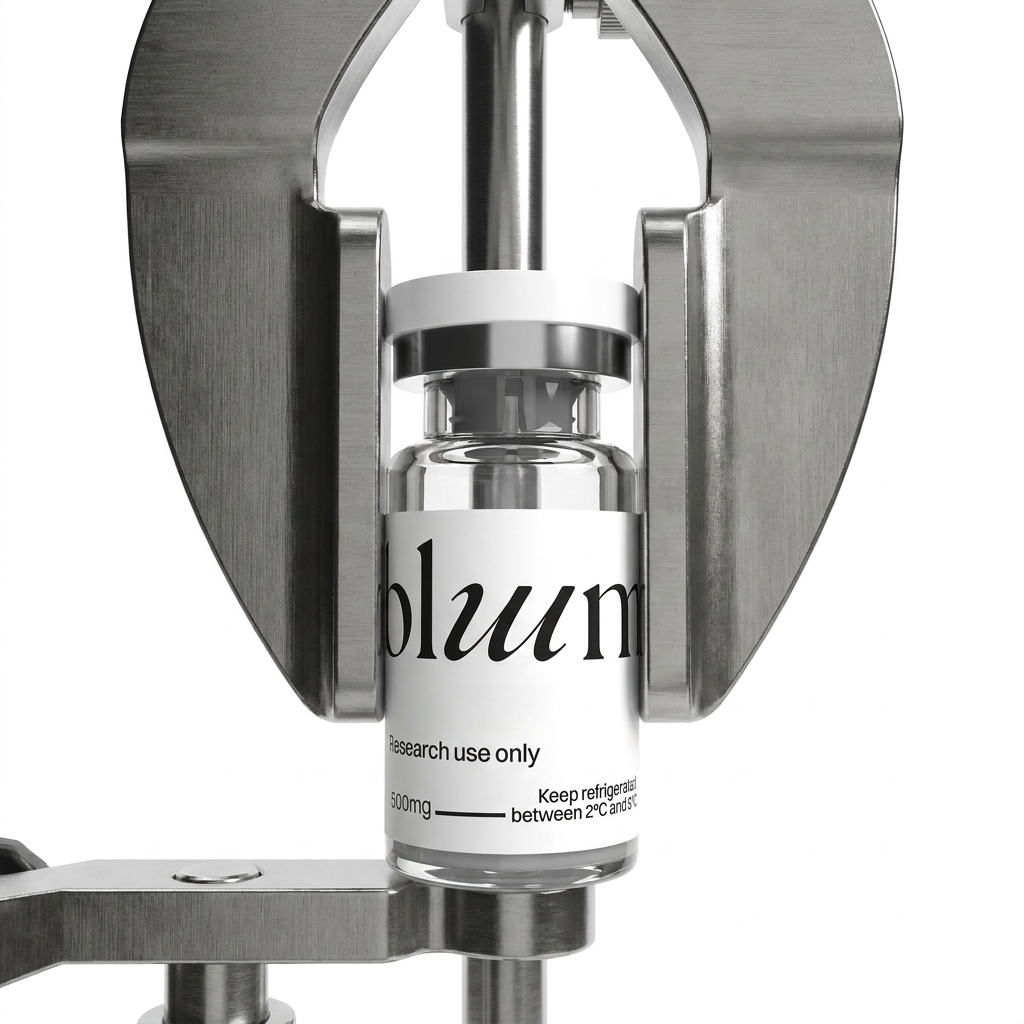
The snap 8 peptide and Argireline are synthetic peptides that have attracted attention in cosmetic research because of their proposed relationship with facial expression signaling. Both are associated with research into peptide sequences inspired by SNAP-25, a protein involved in the neuronal SNARE machinery. Despite their similar positioning, they should not be treated as identical materials. Their sequences, structures, formulations, and supporting evidence can differ, making direct comparisons important when evaluating their potential properties. Understanding those distinctions gives researchers and formulators a more realistic foundation for assessing peptide-based cosmetic ingredients.
Argireline is commonly associated with acetyl hexapeptide-8, while snap 8 peptide is generally described as acetyl octapeptide-3 in cosmetic ingredient literature. Their names can sometimes be used inconsistently in online discussions, which creates confusion about whether two products contain the same compound. The number in each name reflects differences in peptide sequence length, rather than simply representing different branding for one identical molecule. For accurate research, the exact INCI name, sequence information, supplier specifications, and analytical documentation should always be checked before drawing conclusions about a material.
How Their Molecular Design Differs
The primary distinction between these two peptides is their sequence length and molecular design. Argireline, or acetyl hexapeptide-8, is a shorter peptide sequence derived from a region associated with SNAP-25. Snap 8 peptide is an eight-amino-acid peptide sequence designed around another SNAP-25-related region. Because peptide activity depends on molecular structure and interactions, adding or changing residues can affect properties such as molecular recognition, stability, and interaction with biological targets. Therefore, a longer sequence should not automatically be considered stronger or more effective.
From a research perspective, sequence identity is one of the first characteristics that should be established. Researchers can use analytical methods such as high-performance liquid chromatography to evaluate chromatographic purity and mass spectrometry to support molecular identity. These techniques provide complementary information rather than proving clinical or cosmetic effectiveness. A product described simply as a “peptide complex” or “anti-wrinkle peptide” does not provide enough information for rigorous comparison. Clear characterization helps ensure that studies are actually comparing the intended materials.
The Proposed SNARE-Related Mechanism
The scientific interest surrounding both peptides comes from their connection to SNAP-25 and SNARE-mediated vesicle fusion. SNAP-25 is one of the proteins involved in the assembly of the SNARE complex, which helps facilitate membrane fusion during neurotransmitter release. Peptides modeled on relevant portions of SNAP-25 have therefore been investigated for their ability to influence protein interactions involved in this process. This mechanism provides a biochemical rationale for studying expression-related cosmetic effects, although molecular plausibility should not be confused with proof of a particular consumer outcome.
The proposed activity of these peptides is often described in terms of competitive interference with SNARE complex formation. In simplified terms, a peptide sequence may interact with components of the molecular machinery and potentially influence the efficiency of protein assembly. However, cellular signaling is considerably more complicated than a single molecular interaction. Experimental conditions, peptide concentration, delivery system, biological model, and formulation can all influence the observed result. Researchers should therefore distinguish mechanistic hypotheses from effects demonstrated in controlled studies.
Comparing Stability and Formulation Characteristics
Stability is another important consideration when comparing snap 8 peptide with Argireline. Peptides can be affected by environmental factors including temperature, moisture, pH, oxidation, and exposure to other formulation ingredients. The stability of a finished cosmetic product may also depend on packaging and the surrounding formulation rather than on the peptide alone. Consequently, it is not appropriate to assume that one peptide will remain stable under every condition simply because it belongs to the same general category as another peptide.
Formulators and researchers can evaluate stability through controlled testing that monitors the material over time. Chromatographic analysis may help identify degradation products or changes in the peptide profile, while additional analytical techniques can provide complementary information. Stability data should be generated for the actual formulation and storage conditions being studied. This is especially relevant when comparing different peptide products because two materials containing related sequences may behave differently depending on concentration, excipients, pH, and packaging.
Evidence Behind Cosmetic Peptide Claims
Cosmetic peptide claims should always be evaluated according to the quality of the evidence supporting them. Laboratory experiments can help establish biochemical activity, while cell-based studies may provide additional information about biological responses. Human cosmetic studies, when appropriately designed and reported, can provide another level of evidence regarding a finished formulation. These different forms of research answer different questions and should not be treated as interchangeable. A promising laboratory mechanism does not automatically establish that a commercially formulated cosmetic will produce the same result.
This evidence-based approach is particularly useful when comparing Argireline and snap 8 peptide. Marketing descriptions may emphasize concepts such as reduced expression-related lines or improved skin appearance, but researchers should look for information about study design, sample size, controls, duration, formulation, and measurement methods. The quality of the evidence matters as much as the existence of a study. A careful assessment also recognizes that results from one formulation may not apply to every product containing the same named peptide.
Snap 8 Peptide vs. Argireline: Key Differences
The simplest comparison is that both peptides are associated with SNAP-25-inspired cosmetic research, but they are different peptide sequences. Argireline is widely identified as acetyl hexapeptide-8, whereas snap 8 peptide is commonly identified as acetyl octapeptide-3. Their sequence differences can affect molecular properties and how researchers investigate their interactions. It is therefore more accurate to view them as related but distinct materials rather than interchangeable ingredients. This distinction becomes especially important when reviewing technical documentation or comparing research results.
Another difference is the amount of publicly discussed research associated with each ingredient. Argireline has been extensively referenced in cosmetic ingredient literature and commercial skincare research, while snap 8 peptide is also discussed as a SNAP-25-related peptide with a similar general research concept. The available evidence should still be evaluated independently for each material. Researchers should avoid assuming that findings obtained with Argireline automatically validate snap 8 peptide or vice versa. Ingredient-specific evidence remains the strongest basis for making scientifically responsible comparisons.
Understanding the Search Term BPC 157 for Sale
The phrase bpc 157 for sale belongs to a different area of peptide research and should not be confused with cosmetic peptides such as snap 8 peptide or Argireline. BPC-157 is an experimental peptide that has been investigated primarily in preclinical research. Online product availability does not establish that a material has been approved for therapeutic use, nor does a commercial listing prove its identity, quality, safety, or effectiveness. Researchers should evaluate regulatory information and peer-reviewed evidence separately from commercial claims.
This distinction illustrates an important principle in peptide research: terminology and availability are not substitutes for scientific evidence. A product page may use technical language or provide a stated purity percentage, but those details alone do not demonstrate clinical efficacy. Batch-specific analytical documentation can help researchers evaluate material identity and composition, while regulatory sources clarify whether a compound has an approved medical status. Keeping these categories separate helps prevent confusion between laboratory investigation, cosmetic formulation, and therapeutic use.
Choosing Between the Two Peptides for Research
Selecting between snap 8 peptide and Argireline should begin with the specific research question rather than assumptions about which peptide is superior. If the objective is to study sequence-dependent interactions with SNAP-25-related molecular pathways, researchers may compare both peptides under controlled conditions. If the objective concerns a finished cosmetic formulation, the entire formulation must be considered because delivery, concentration, excipients, and stability can influence observed performance. A scientifically meaningful comparison requires equivalent experimental conditions wherever possible.
Documentation is equally important. Researchers should record the exact material identity, batch information, analytical characterization, formulation conditions, storage history, and experimental parameters. This creates a traceable research record and makes results easier to reproduce. Where claims involve biological or cosmetic effects, appropriate controls and validated measurement methods are essential. These practices reflect the core principles of evidence-based research and help separate genuine differences between peptide materials from differences caused by experimental design.
Conclusion
The comparison between snap 8 peptide and Argireline shows why peptide names alone are not enough to understand molecular behavior. Although both are associated with SNAP-25-inspired research and proposed modulation of SNARE-related interactions, they represent different peptide sequences and should be evaluated independently. Argireline is commonly identified as acetyl hexapeptide-8, while snap 8 peptide is generally associated with acetyl octapeptide-3. Their differences in sequence, formulation, stability, and supporting evidence make careful characterization essential.
For anyone researching these materials, the strongest approach is to focus on verified identity, appropriate analytical testing, formulation-specific stability, and evidence that directly supports the claim being evaluated. Searches such as bpc 157 for sale should likewise be interpreted cautiously because commercial availability does not establish regulatory approval or therapeutic validation. By separating scientific evidence from marketing language and using well-controlled research methods, researchers and formulators can make more informed comparisons between related peptide ingredients.

 Arabic
 French
 Spanish
 Portuguese
 Deutsch
 Turkish
 Dutch
Dutch
 Italiano
 Russian
 Romaian
 Portuguese (Brazil)
 Greek
Greek
 Bengali