


Finding Your Way Back: Healing From Betrayal One Step at a Time
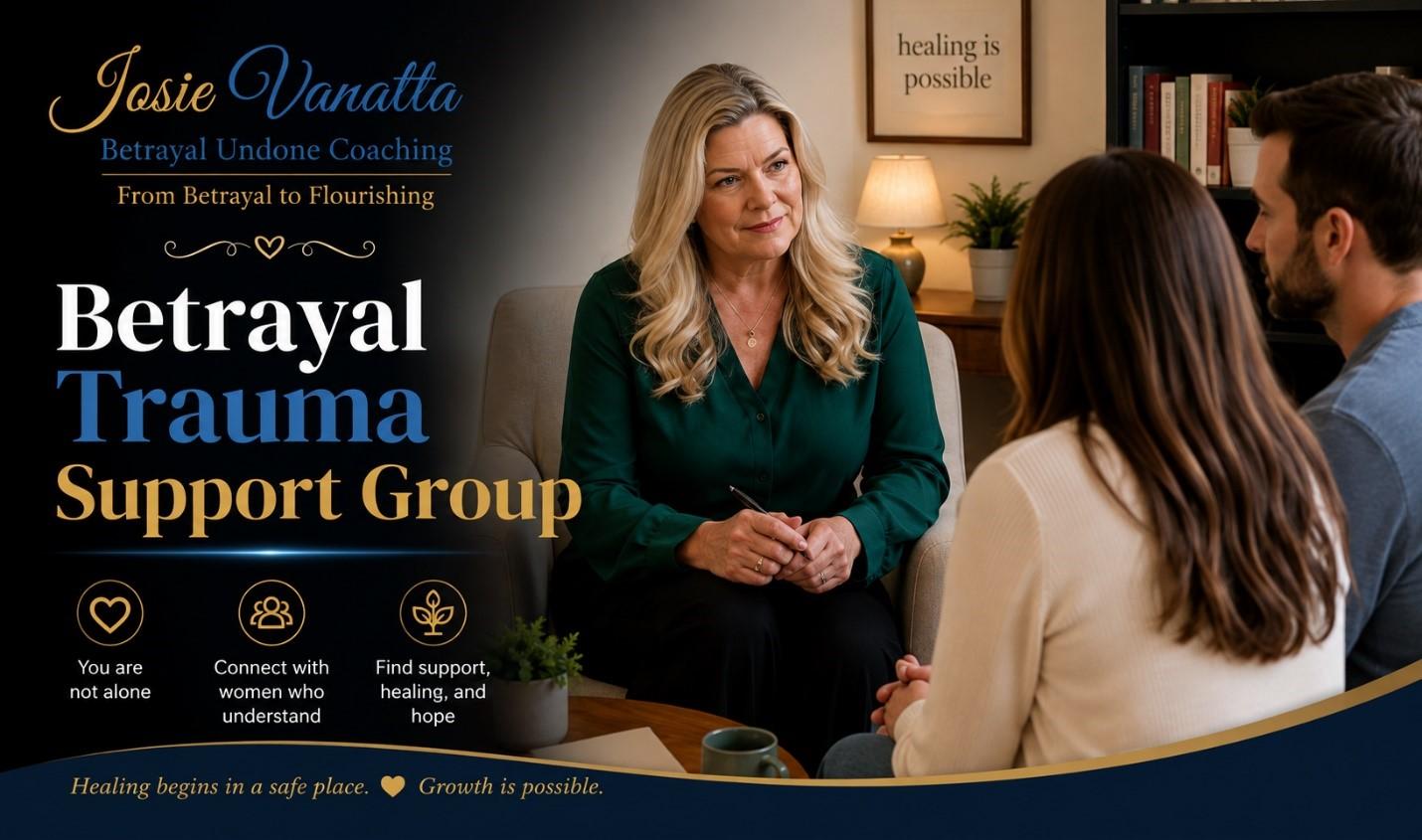
Discovering that someone you trusted has lied to you, cheated on you, or broken a deep promise doesn't just hurt your feelings. It shakes the ground you thought you were standing on. Your brain starts questioning everything, your body feels jumpy and tired at once, and people around you might not understand why you can't just "move on already." If this sounds familiar, you're not broken, and you're not alone. There are real paths forward, and two of the most helpful ones are joining a Betrayal Trauma Support Group and working with a Trauma Recovery Coach.
Why Betrayal Hits So Hard?
Betrayal isn't like other kinds of pain. There is a conflict in your mind that you have to deal with a lot when someone you trust is the one who has betrayed you: You believe that this person cares about you, but that person also hurt you. All that confusion can cause a fight-or-flight reaction, as if you were physically in danger. You may experience days of numbness, replaying conversations, checking phones, or anything else while lying awake. This is your nervous system trying to protect you, even if it doesn't feel that way.
The Power of Not Doing It Alone
One of the biggest mistakes people make after betrayal is trying to figure everything out by themselves. It's tempting to isolate, especially when shame gets mixed in with the hurt. This is exactly where a Betrayal Trauma Support Group can change everything. Sitting in a room, or on a video call, with people who genuinely understand what you're going through hits differently than talking to a well-meaning friend who's never experienced it.
In a Betrayal Trauma Support Group, you don't have to explain why you're still upset three months later. Everyone there already knows. You can say the messy, ugly parts out loud: the jealousy, the obsessive thoughts, the anger you feel guilty about, and instead of judgment, you get nods of recognition. That kind of validation is medicine on its own. Many members say the group is the first place they felt believed without having to defend themselves.
Why One-on-One Support Still Matters
Group support is powerful, but it isn't the whole picture. This is where a Trauma Recovery Coach comes in. While a group gives you community, a Trauma Coach gives you a personalized roadmap. They work with you individually to understand your specific triggers, your history, and your pace of healing, and then help you build practical tools to manage flashbacks, rebuild self-trust, and make hard decisions about your relationship or your future.
A good Trauma Recovery Coach isn't there to tell you what to do. Instead, they help you reconnect with your own judgment, which betrayal often damages. Coaches often teach grounding techniques for panic moments, help you set boundaries without guilt, and walk beside you as you figure out what safety and trust actually look like now. Many people find that combining coaching with a support group creates a kind of one-two punch: the coach helps with the deep individual work, while the group reminds you that you're not the only one carrying this.
Small Steps That Actually Help
Healing isn't a straight line, and some days will feel like square one again. That's normal. A few things that genuinely help:
● Give yourself permission to grieve the relationship you thought you had
● Limit "detective work" that keeps you stuck replaying the past
● Move your body; even a short walk can quiet a racing mind
● Show up to your Betrayal Trauma Support Group even on the days you don't feel like it
● Check in regularly with your Trauma Recovery Coach so patterns get caught early
Final Thought
Betrayal changes how you see the world, but it doesn't have to define the rest of your story. The nights that feel unbearable now won't always feel that way. With the right support, whether that's leaning on a Betrayal Trauma Support Group for community or working closely with a Trauma Recovery Coach for personal guidance, healing becomes not just possible but real. You don't have to carry this by yourself, and reaching out for help isn't weakness. It's the first real step toward getting your footing back.

 Arabic
 French
 Spanish
 Portuguese
 Deutsch
 Turkish
 Dutch
Dutch
 Italiano
 Russian
 Romaian
 Portuguese (Brazil)
 Greek
Greek
 Bengali