


How Can Emergency Chipped Tooth Repair Treatment in Lahore Restore Your Smile?
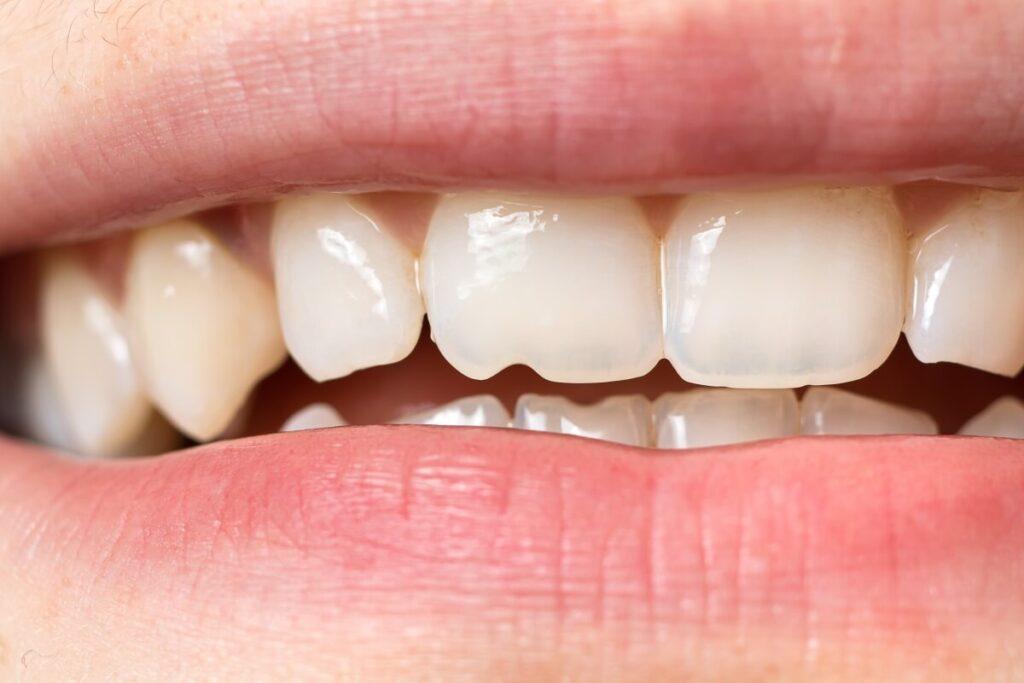
A chipped tooth can happen unexpectedly while eating, playing sports, experiencing an accident, or biting something hard. Even a small chip may affect the appearance of your smile, create a rough edge, or cause sensitivity. A larger chip can expose deeper tooth structures and may require prompt professional dental attention. Knowing what to do after a tooth becomes chipped can help protect the tooth and reduce the risk of further damage.
For patients searching for emergency chipped tooth repair treatment in Lahore, getting the tooth assessed by a qualified dentist is an important first step. The appropriate treatment depends on how much tooth structure has been lost, whether the nerve or pulp is affected, whether the tooth is cracked, and whether there are other dental problems. Depending on the situation, a dentist may recommend smoothing, composite bonding, a dental filling, a veneer, a crown, or another restorative procedure.
What Is a Chipped Tooth?
A chipped tooth is a tooth that has lost a small or larger portion of its structure. The damage can range from a tiny piece of enamel breaking away to a more significant fracture involving deeper layers of the tooth.
Chips commonly occur in the front teeth because they are more exposed during falls, accidents, sports injuries, and biting activities. Back teeth can also chip, particularly when chewing hard foods or when a tooth has already been weakened by decay or previous dental treatment.
Even when a chip appears minor, professional assessment can determine whether there is an underlying crack or weakness that is not visible to the patient.
What Causes a Tooth to Chip?
Teeth can chip for several reasons. Accidental trauma is a common cause, including falls, sports injuries, vehicle accidents, or an impact to the face. Biting hard objects or foods can also place excessive force on a tooth.
Tooth decay can weaken the structure and make it easier for part of the tooth to break. Large fillings may also leave some teeth more vulnerable to fractures because less natural tooth structure remains.
Teeth grinding and clenching can create repeated pressure and contribute to wear or fractures over time. Age-related changes can also affect the strength and appearance of teeth.
Identifying the cause is useful because repairing the visible chip without addressing the reason for the damage may increase the risk of future problems.
Is a Chipped Tooth a Dental Emergency?
Not every chipped tooth requires emergency treatment, but some situations need prompt dental evaluation. A small enamel chip without pain may not be an emergency in the same way as a severe fracture involving the pulp or a tooth that has been displaced.
Urgent dental attention is particularly important when a chipped tooth causes significant pain, bleeding, swelling, severe sensitivity, or exposes a deeper portion of the tooth. Trauma involving the face or jaw may also require prompt assessment.
If you are unsure about the severity of the damage, contacting a dental professional is safer than assuming the problem is minor.
What Should You Do Immediately After Chipping a Tooth?
After a tooth chips, rinse your mouth gently with clean water to remove debris. If there is bleeding from the soft tissues, gentle pressure with clean gauze may help control it.
If swelling develops, a cold compress placed on the outside of the cheek can help reduce discomfort and swelling. Avoid chewing hard foods on the affected side until the tooth has been assessed.
If you find the broken piece of tooth, keep it in a clean container and take it with you to the dental appointment. Although the fragment may not always be reusable, the dentist can determine whether it is relevant to the treatment.
Avoid attempting to glue the broken piece back onto the tooth yourself. Household adhesives are not appropriate for dental use and may cause additional problems.
How Does a Dentist Examine a Chipped Tooth?
The dentist begins by examining the damaged tooth and asking how the injury occurred. The examination helps determine the size and location of the chip and whether the tooth is stable.
The dentist may check for cracks, sensitivity, changes in bite, damage to surrounding teeth, and signs that the inner portion of the tooth has been affected. If necessary, dental X-rays or other diagnostic procedures may be used.
The purpose of the assessment is to determine whether the tooth needs a simple cosmetic repair or more extensive restorative treatment.
Can a Small Chipped Tooth Be Repaired?
Yes. A small chip may sometimes be repaired by smoothing the rough edge or using tooth-colored composite resin to rebuild the missing portion.
Composite bonding is commonly used for minor cosmetic chips, particularly on front teeth. The dentist applies tooth-colored resin and shapes it to match the surrounding tooth structure.
One benefit of bonding is that it can often preserve more natural tooth structure than treatments that require extensive preparation. However, the suitability of bonding depends on the size and location of the damage.
What Is Composite Bonding for a Chipped Tooth?
Composite bonding uses a tooth-colored resin material to restore the shape and appearance of a damaged tooth. The material is carefully placed, shaped, and polished by the dental professional.
For suitable small or moderate chips, bonding can restore the visible contour of the tooth and improve the appearance of the smile. It can be particularly useful when the damaged tooth is visible when smiling.
The longevity of bonding varies according to factors such as the location of the restoration, bite forces, oral habits, and maintenance. Patients should avoid biting very hard objects with repaired teeth.
Can a Chipped Tooth Be Repaired With a Filling?
In some cases, a tooth-colored filling material may be used to restore a chipped area. The choice depends on the amount of tooth structure lost and whether the damaged area needs additional support.
For a small chip, composite material can provide both functional and cosmetic restoration. For a larger fracture, however, a filling alone may not provide sufficient protection.
A dentist can determine the appropriate restorative material after evaluating the tooth.
When Is a Dental Crown Needed for a Chipped Tooth?
A dental crown may be recommended when a substantial portion of a tooth has been damaged or when the remaining tooth structure requires additional protection.
A crown covers the prepared tooth and can restore its shape, function, and appearance. It may be considered when a tooth is significantly weakened or has undergone root canal treatment.
Not every chipped tooth needs a crown. For a small cosmetic chip, a less invasive option such as composite bonding may be sufficient. The dentist should select the treatment according to the amount of remaining healthy tooth structure.
Can a Veneer Repair a Chipped Front Tooth?
A dental veneer may be considered for certain cosmetic chips affecting front teeth. Veneers are thin restorations designed to improve the appearance of the visible surface of a tooth.
However, veneers are not appropriate for every chipped tooth. The dentist must evaluate the amount of remaining tooth structure, bite, oral health, and cosmetic goals.
If the damage is small, bonding may provide a more conservative approach. If the tooth is significantly weakened, a crown or another restoration may be more appropriate.
What If the Chipped Tooth Is Sensitive?
Sensitivity after a chip can occur if the damaged area exposes dentin or comes closer to the inner portion of the tooth. Patients may notice sensitivity to cold, hot, sweet, or acidic foods and drinks.
Significant or persistent sensitivity should be evaluated by a dentist because it may indicate deeper damage.
The treatment depends on the cause. A small chip involving only enamel may require simple restoration, while damage extending toward the pulp may require more extensive treatment.
What Happens If the Tooth Nerve Is Exposed?
A significant fracture can sometimes expose the pulp, which contains nerves and blood vessels. This situation requires prompt dental assessment.
If the pulp has been severely affected, the dentist may recommend root canal treatment followed by appropriate restoration. The objective is to manage the damaged internal tissue and preserve the tooth when possible.
Patients should not attempt to treat an exposed tooth at home. Prompt professional care is important when deep tooth structure has been exposed.
Can a Chipped Tooth Cause Infection?
A damaged tooth can potentially become vulnerable to bacterial contamination if the fracture exposes deeper structures. This is particularly important when the pulp has been exposed or when the tooth has an untreated cavity.
Signs such as increasing pain, swelling, sensitivity that persists, or a bad taste around the affected tooth should be evaluated promptly.
Early treatment may help prevent the problem from progressing and may increase the possibility of preserving the natural tooth.
How Long Does Chipped Tooth Repair Take?
Treatment time depends on the severity of the damage and the selected restoration. A minor chip repaired with composite bonding may be treated during a relatively short dental appointment.
More extensive treatment involving a crown, root canal therapy, or laboratory-made restoration may require multiple appointments.
Your dentist can provide a more accurate timeline after examining the tooth and determining which procedure is appropriate.
Is Chipped Tooth Repair Painful?
Many minor chipped-tooth repairs involve little or no discomfort. Depending on the location and severity of the damage, local anesthesia may be used to improve patient comfort.
If the tooth has exposed dentin or pulp, it may already be sensitive before treatment. Addressing the underlying damage can help resolve the cause of the discomfort.
Patients who feel anxious about dental treatment should tell their dental team before the procedure so appropriate comfort measures can be discussed.
How Can You Prevent Another Chipped Tooth?
Preventing future tooth damage involves reducing excessive forces on the teeth. Avoid chewing ice, very hard objects, pens, or other non-food items.
If you participate in contact sports, wearing an appropriate mouthguard can help reduce the risk of dental injuries. Patients who grind or clench their teeth should discuss this habit with a dentist because excessive forces can contribute to tooth wear and fractures.
Maintaining good oral hygiene is also important because healthy teeth are generally better able to withstand normal chewing forces.
Why Is Prompt Treatment Important?
A chipped tooth may appear to be only a cosmetic concern, but untreated damage can sometimes become more complicated. A rough edge can irritate the tongue or cheek, while a larger fracture can make the tooth more vulnerable to additional damage.
If deeper structures are involved, delaying treatment may increase discomfort or complications. Prompt dental assessment allows the dentist to determine the severity of the injury and recommend an appropriate solution.
How Can You Find Emergency Chipped Tooth Repair Treatment in Lahore?
When searching for emergency chipped tooth repair treatment in Lahore, look for a dental clinic that provides prompt assessment and a range of restorative treatment options.
A reliable clinic should evaluate the damaged tooth rather than automatically recommending one procedure. The dentist should explain whether bonding, filling, veneer, crown, root canal treatment, or another approach is appropriate.
Patients should also consider the clinic's dental professionals, treatment facilities, hygiene standards, communication, and ability to handle urgent dental concerns.
For patients in Lahore, Dental Club can be considered for professional evaluation and treatment of chipped or damaged teeth. The appropriate procedure should always be determined after an individual dental examination.
Frequently Asked Questions
Can a chipped tooth be repaired in one visit?
Some minor chips can be repaired during one appointment, particularly when composite bonding is suitable. More complex damage may require additional visits.
Is a chipped tooth an emergency?
A minor chip without pain may not require emergency treatment, but significant pain, bleeding, swelling, severe sensitivity, or suspected deep damage should receive prompt professional attention.
Can a chipped tooth grow back?
No. A chipped portion of natural tooth does not grow back. However, a dentist can restore the missing structure using appropriate dental materials.
Can composite bonding fix a chipped front tooth?
Yes, composite bonding can be suitable for many small or moderate chips affecting front teeth. The dentist must first assess the tooth and bite to determine whether bonding is appropriate.
Does a chipped tooth always need a crown?
No. Small chips may be repaired with bonding or another conservative restoration. Crowns are generally considered when a larger amount of tooth structure has been damaged or the tooth requires additional protection.
What should I do if my chipped tooth hurts?
Avoid chewing on the affected side, rinse your mouth gently, and arrange a dental examination. If there is severe pain, swelling, bleeding, or significant trauma, seek prompt dental care.
Can a chipped tooth become infected?
A significant fracture can expose deeper tooth structures and potentially allow bacteria to reach the pulp. Prompt professional evaluation is important when the fracture is deep or symptoms develop.
Conclusion
A chipped tooth can range from a minor cosmetic problem to a significant dental injury requiring urgent treatment. The appropriate solution depends on the size and location of the chip, the condition of the remaining tooth structure, the presence of sensitivity, and whether the inner portion of the tooth has been affected.
If you are searching for emergency chipped tooth repair treatment in Lahore, professional assessment should be your first step. A dentist can determine whether the tooth can be restored with simple smoothing, composite bonding, a filling, veneer, crown, or another treatment.
Do not ignore significant pain, swelling, bleeding, or severe sensitivity after a tooth injury. Prompt dental care can help protect the damaged tooth, restore its appearance and function, and reduce the risk of further complications. With appropriate treatment and good oral habits, many chipped teeth can be successfully restored and incorporated naturally into a healthy-looking smile.
For more Information: Dental Club

 Arabic
 French
 Spanish
 Portuguese
 Deutsch
 Turkish
 Dutch
Dutch
 Italiano
 Russian
 Romaian
 Portuguese (Brazil)
 Greek
Greek
 Bengali