


Superior Building Automation Integrator Strategies for Facilities
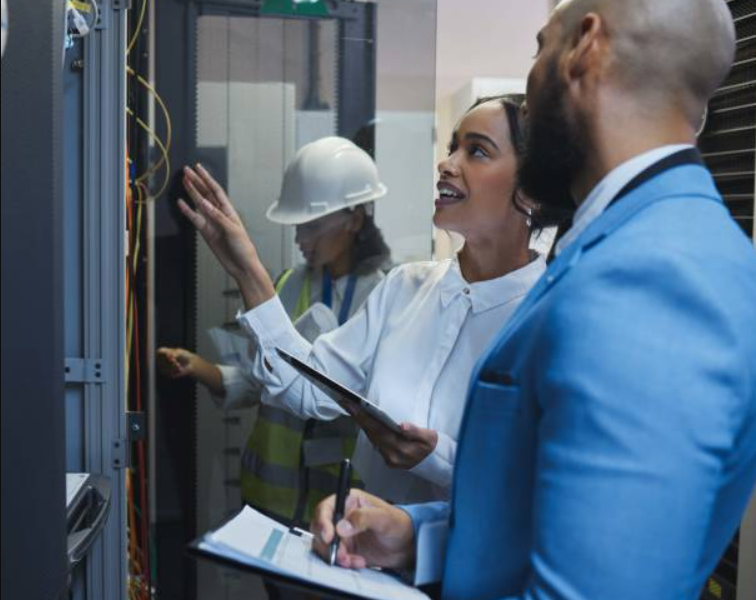
Enterprise real estate is undergoing a structural digital transformation focused on energy efficiency, operational resilience, and connected workspace management. Modern commercial properties deploy extensive networks of smart devices, ranging from software-defined direct current power distribution to intelligent environmental sensors. However, deploying modern hardware delivers limited financial returns if individual components cannot communicate or share operational data smoothly. True building efficiency demands moving past basic hardware installation to achieve complete system convergence.
Achieving complete architectural convergence requires technical expertise spanning physical building controls, network communication protocols, and cloud management software. Engaging a specialized building automation integrator ensures that high-density sensor arrays, low-voltage power networks, and facility platforms work in complete harmony. Establishing a unified digital foundation empowers enterprise property managers to maximize energy efficiency, reduce operational overhead, and deliver exceptional workspace quality.
Breaking Down Operational Silos with Unified Management Dashboards
In conventional commercial setups, property management teams must navigate multiple isolated software tools to oversee climate platforms, access security, electrical draw, and room illumination. This fragmented control model delays issue resolution, increases labor demands, and masks structural inefficiencies across the property. Advanced integration strategies consolidate these isolated operational layers into a central management interface, offering building operators complete visibility across the enterprise.
Centralizing building control mechanisms unlocks automated cross-platform routines that enhance operational performance. For example, when security hardware registers employee entry at the main access point, the integrated management platform can automatically tune workspace thermal controls, trigger circadian lighting scenes, and update central space allocation software. Connecting building functions into automated workflows eliminates manual intervention and creates a responsive indoor environment.
Accelerating Construction Timelines while Lowering Capital Expenses
Designing and deploying smart building systems involves coordinating multiple specialized contractors, hardware vendors, and software providers. Without centralized technical oversight, projects frequently encounter communication delays, budget overruns, and system incompatibilities during final building commissioning. Strategic integration oversight establishes clear technical protocols across all teams, ensuring digital infrastructure interfaces cleanly from initial design through final deployment.
Furthermore, integrating direct current power networks and low-voltage digital controls lowers upfront structural construction costs. Consolidating data communication and power distribution onto standardized cabling setups allows commercial spaces to avoid the heavy material and labor expenses associated with traditional high-voltage conduit installations. Streamlining infrastructure deployment cuts capital expenditures, shortens construction schedules, and minimizes risk during major commercial fit-outs.
Elevating Energy Conservation Standards and Workspace Efficiency
Enterprise sustainability targets require facility managers to maintain complete oversight of power usage across every floor of a commercial property. Digital power networks integrate effortlessly with building management software, enabling automated daylight harvesting, occupancy-based dimming, and precise environmental adjustments. These intelligent control strategies eliminate energy waste in unoccupied zones, significantly lowering monthly utility costs.
Beyond financial and environmental benefits, intelligent environmental control directly improves daily occupant satisfaction and employee productivity. Dynamic lighting systems powered by direct current digital networks can automatically adjust color spectrums throughout the day to mirror natural sunlight. Providing employees with circadian-aligned lighting reduces eye fatigue, prevents workplace burnout, and fosters a healthy, energizing indoor environment.
Safeguarding Long-Term Property Value with Adaptable Digital Networks
Commercial property demands evolve continuously to accommodate shifting corporate strategies, collaborative team structures, and hybrid working schedules. Fixed high-voltage electrical setups make moving internal walls or reconfiguring ceiling hardware a slow, disruptive, and expensive project. Software-defined digital power and control grids offer exceptional spatial agility, allowing facility teams to reconfigure fixtures, sensors, and power nodes through software dashboards without running new physical wires.
Establishing an open, software-managed infrastructure prepares commercial facilities for seamless integration with future smart building tools. From advanced access control systems to real-time space utilization sensors, an adaptable integration framework provides the reliable energy delivery and digital connectivity needed to support enterprise tools. Investing in digital integration ensures commercial properties retain high market value, lower long-term maintenance costs, and maintain superior operational performance.
Conclusion
Transitioning to a fully converged digital infrastructure is a strategic investment that maximizes commercial building efficiency and operational safety. Merging high-capacity power delivery with real-time software management cuts structural installation costs, slashes operational energy waste, and provides total environmental control. Enterprise property owners who embrace unified building integration position their facilities for long-term operational resilience, reduced overhead, and maximum asset value.

 English
 Arabic
 French
 Spanish
 Portuguese
 Turkish
 Dutch
Dutch
 Italiano
 Russian
 Romaian
 Portuguese (Brazil)
 Greek
Greek
 Bengali