


Liposuction for Lower Back Contouring in Islamabad: Understanding the Treatment Area
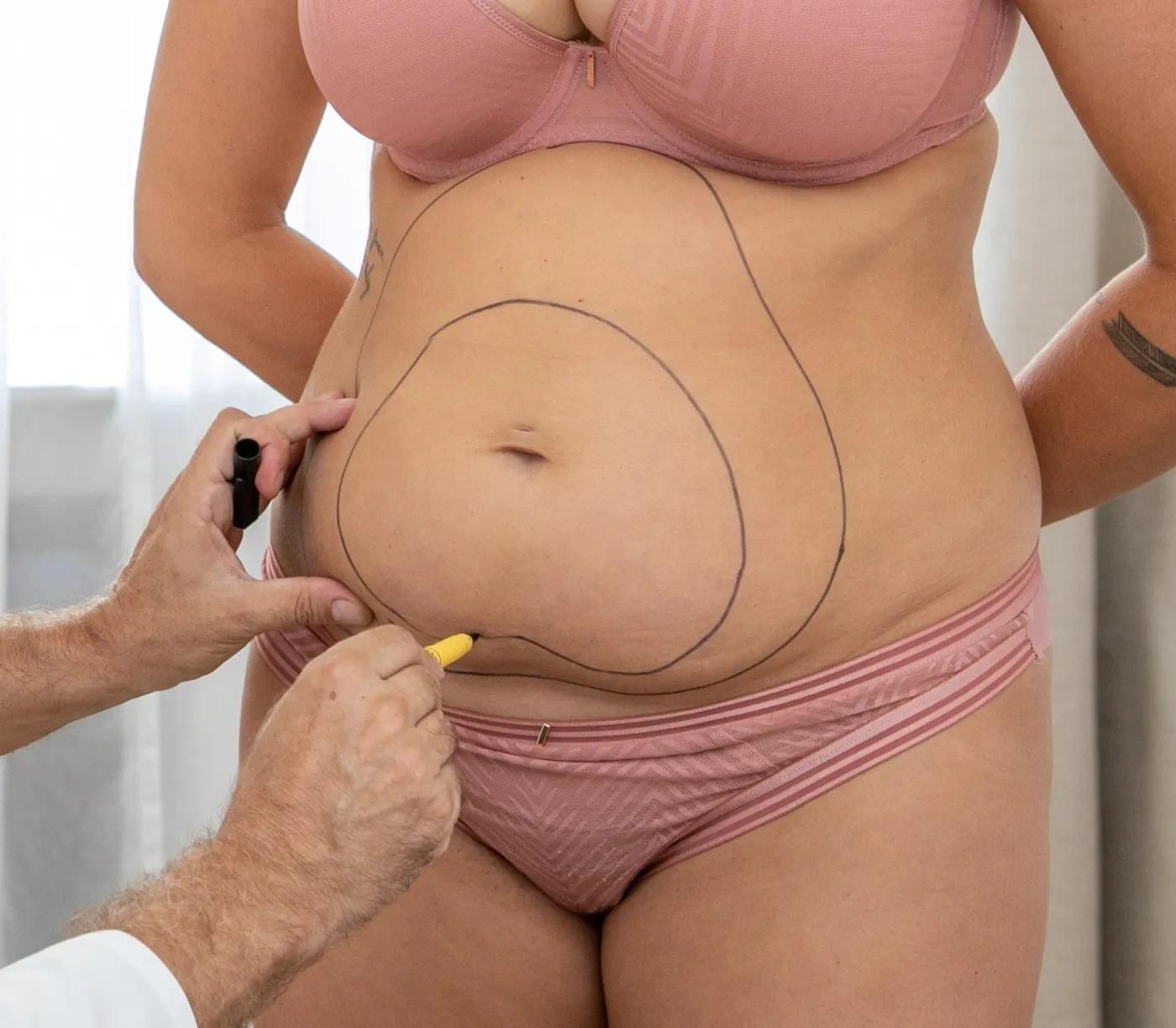
Lower back fullness can affect the way the waist, hips, and back appear together, even when a person is otherwise at a healthy or stable weight. Liposuction In Islamabad may be considered when localized fat deposits around the lower back contribute to an uneven or bulky contour. Understanding the treatment area, surrounding anatomy, skin quality, and realistic goals is important before deciding whether liposuction is an appropriate body-contouring option.
What Is Lower Back Contouring?
Lower back contouring focuses on improving the appearance of localized fullness along the lower portion of the back and the areas where the back transitions toward the waist and hips.
This region can sometimes develop noticeable fat pockets that remain despite weight loss or regular exercise. Because the lower back is connected visually to the waist and flanks, treatment planning generally considers the surrounding areas rather than viewing the lower back as an isolated zone.
The goal is usually to create a smoother, more balanced silhouette while preserving the body's natural proportions.
Where Is the Lower Back Treatment Area?
The lower back is the area below the mid-back and above the buttocks. Depending on the individual's anatomy, localized fullness may be concentrated toward the center, sides, or around the transition between the back and waist.
Some people may also have fullness extending toward the flanks. These areas can influence one another visually, which is why a surgeon may evaluate the entire waistline during consultation.
The exact treatment boundaries vary from person to person. There is no universal pattern of fat distribution, so individualized assessment is essential.
Why Does Lower Back Fat Develop?
Localized fat accumulation can result from a combination of genetic, hormonal, lifestyle, and body-composition factors.
Common influences include:
- Natural genetic fat distribution
- Changes in body weight
- Aging
- Hormonal changes
- Reduced physical activity
- Individual body structure
- Previous weight fluctuations
Importantly, having lower back fullness does not necessarily mean that someone is overweight. A person can have a healthy overall weight while retaining specific pockets of subcutaneous fat.
How Liposuction Can Address Localized Lower Back Fat
Liposuction is designed to remove selected deposits of subcutaneous fat through a surgical technique. During treatment planning, the surgeon identifies areas where fat contributes to unwanted fullness and determines how those areas relate to neighboring contours.
The objective is not simply to remove the largest possible amount of fat.
Instead, carefully controlled contouring can help create a gradual transition between the lower back, waist, and surrounding areas. Preserving an appropriate layer of tissue is important for maintaining a natural appearance.
Why the Waist and Flanks Matter
The lower back does not exist independently from the waist and flanks. Changes in one region can affect how another region appears.
For example, reducing lower back fullness while leaving substantial flank fullness may produce a different visual effect than addressing the overall waistline proportionately.
This does not mean every nearby area needs to be treated. Rather, the surgeon assesses how the different regions relate to one another before recommending a treatment plan.
Skin Elasticity Is an Important Consideration
Liposuction reduces underlying fat, but it does not function primarily as a skin-tightening procedure.
If the skin has good elasticity, it may adapt more effectively to the reduction in volume. If there is substantial skin laxity, however, removing fat alone may not produce the desired appearance.
Factors that can affect skin elasticity include age, genetics, pregnancy, significant weight loss, and previous changes in body size.
A professional assessment can help distinguish between excess fat and excess skin and determine whether liposuction alone is appropriate.
Lower Back Contouring Requires Attention to Body Proportions
The appearance of the lower back is closely related to the waist, hips, and buttocks. A contour that looks appropriate from one angle may appear different from another.
For this reason, surgeons may assess the body from the front, side, and back.
The treatment plan may take into account:
| Factor | Why It Matters |
|---|---|
| Lower back fat distribution | Identifies localized areas of fullness |
| Waist shape | Determines how the back transitions toward the waist |
| Flank fullness | Can influence the appearance of the side profile |
| Hip proportions | Helps maintain overall body balance |
| Skin elasticity | Affects how the skin may adapt after fat removal |
| Tissue thickness | Helps guide appropriate contouring |
| Symmetry | Allows both sides to be evaluated for balance |
| Weight stability | Supports more predictable long-term contouring |
Why Conservative Contouring Can Be Beneficial
Liposuction is a contouring procedure, so removing excessive fat is not necessarily the goal.
Over-treatment of the lower back could potentially create depressions or visible irregularities. It may also make the treated area look disconnected from surrounding regions.
A more measured approach focuses on creating gradual transitions. The surgeon may preserve some natural fullness to maintain harmony with the waist and hips.
This is especially important for patients who want a subtle, natural-looking change rather than a dramatic alteration of their body shape.
What Happens During the Consultation?
A consultation gives the surgeon an opportunity to assess whether the lower back is a suitable treatment area.
The evaluation may involve examining:
- The location and thickness of fat deposits
- Skin quality and elasticity
- Body proportions
- Symmetry
- Previous scars or surgery
- Overall health
- Weight stability
- The patient's aesthetic goals
Patients should be open about what they would like to improve. It is also helpful to discuss whether the concern is mainly about the lower back itself or the overall waist and back silhouette.
Is Lower Back Liposuction a Weight-Loss Procedure?
No. Liposuction should not be considered a substitute for weight management.
It is primarily intended to reshape areas with localized fat deposits. Patients who are significantly above their healthy weight may be advised to address weight management before considering elective body contouring.
Even after treatment, maintaining a stable weight is important because remaining fat cells can increase in size if substantial weight gain occurs.
What Should Patients Expect After Treatment?
Swelling, bruising, tenderness, and temporary changes in contour can occur after liposuction. These effects can make it difficult to judge the final appearance during the early recovery period.
As healing progresses, swelling generally decreases and the treated area's contour becomes more apparent. The recovery timeline varies according to the extent of treatment and individual healing.
Patients should carefully follow their surgeon's postoperative instructions and attend follow-up appointments as recommended.
Frequently Asked Questions
Can liposuction remove lower back fat?
Liposuction can be used to remove selected deposits of subcutaneous fat when the patient is an appropriate candidate. A surgeon must assess the area before determining whether treatment is suitable.
Can lower back liposuction improve the waistline?
It may improve the relationship between the lower back and waist when localized fat contributes to fullness. However, the outcome depends on the individual's anatomy and the areas involved.
Does lower back liposuction tighten skin?
Liposuction primarily removes fat. Patients with significant loose skin may need to discuss other body-contouring options with their surgeon.
Can exercise remove lower back fat specifically?
Exercise can help reduce overall body fat and improve fitness, but it cannot guarantee fat loss from one particular location.
Is lower back liposuction suitable for everyone?
No. Suitability depends on factors such as health, skin quality, fat distribution, weight stability, and realistic expectations.
Will lower back fat return after liposuction?
The fat cells removed during liposuction are permanently removed, but remaining fat cells can enlarge with significant weight gain. Maintaining a stable weight can help preserve the contour.
Conclusion
Lower back contouring requires more than simply identifying a pocket of unwanted fat. A thoughtful approach considers the lower back's relationship with the waist, flanks, hips, skin, and overall body structure. Patients considering Liposuction In Islamabad should seek an individualized assessment to understand whether localized fat removal can address their concerns and what type of result is realistic. For professional consultation and personalized body-contouring guidance, Dynamic Clinic Pk can help patients explore suitable treatment options based on their individual anatomy and goals.

 Arabic
 French
 Spanish
 Portuguese
 Deutsch
 Turkish
 Dutch
Dutch
 Italiano
 Russian
 Romaian
 Portuguese (Brazil)
 Greek
Greek
 Bengali