


Tattoo Removal in Jeddah: Modern Solutions for Unwanted Ink
Tattoo Removal in Jeddah: Modern Solutions for Unwanted Ink
Tattoo removal in Jeddah is an increasingly popular choice for individuals who want to reduce or eliminate the appearance of unwanted tattoos. While tattoos are traditionally associated with permanence, modern aesthetic technology has made significant tattoo fading and removal possible for many people. Personal preferences, changing lifestyles, career considerations, or simply a desire for clearer skin can all motivate someone to explore professional tattoo removal.
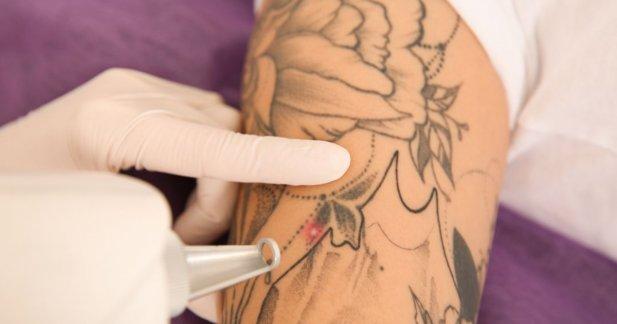
Laser-based treatment is one of the most recognized modern approaches to tattoo removal. It works by delivering controlled energy to tattoo pigments beneath the skin. This energy can break the pigment into smaller particles, which the body can gradually process. Because the body needs time to clear the fragmented pigment, tattoo removal is generally a progressive treatment rather than an instant procedure.
Why People Consider Tattoo Removal
The reasons for removing a tattoo are highly personal. Some people regret a design they selected many years ago, while others feel that a tattoo no longer represents their personality.
A tattoo may also be connected to a relationship, friendship, period of life, or personal decision that has changed. Removing or fading the tattoo can therefore feel like an opportunity to move forward.
Professional considerations may also influence the decision. People working in environments where visible tattoos are less desirable may prefer to reduce the appearance of tattoos on exposed areas.
In other cases, the goal is not complete removal. A person may want to fade an old tattoo before replacing it with a new design.
How Laser Tattoo Removal Works
Tattoo ink is placed beneath the outer layer of skin. The pigment remains visible because the particles are resistant to normal removal processes.
During laser tattoo removal, specialized pulses of energy are directed at the tattoo. The energy is absorbed by the pigment and can cause the ink particles to break into smaller fragments.
The body can then gradually process some of these fragments through its natural mechanisms. This process continues between treatment sessions, which is why the tattoo can become progressively lighter.
The treatment is designed to focus on tattoo pigment rather than simply removing the surface of the skin. Proper treatment settings are important because the goal is to target pigment as effectively as possible while managing the surrounding skin.
Factors That Influence Results
Tattoo removal results are influenced by several characteristics.
Tattoo Color
Different colors respond differently to laser energy. Darker pigments may respond more readily to certain wavelengths, while some lighter pigments can be more difficult to treat.
Ink Density
A tattoo with a large amount of concentrated pigment may require more sessions than a lightly pigmented design.
Tattoo Age
Older tattoos may already have experienced some natural fading, but age alone does not guarantee easier removal.
Tattoo Location
The location of the tattoo can influence how the body responds to treatment. Different areas have different circulation and skin characteristics.
Individual Skin Response
Every person's skin responds differently. Skin characteristics and healing patterns can affect the treatment process.
What to Expect During a Session
Before treatment, the tattooed area is assessed and prepared. Appropriate eye protection and other safety measures are used during laser treatment.
The laser delivers controlled pulses across the tattoo. Patients may experience brief sensations such as warmth, tingling, or snapping.
Treatment time depends on the tattoo's size and complexity. A small design can generally be treated more quickly than a large tattoo.
Afterward, the skin may appear red or swollen and can feel sensitive for a period of time. These temporary reactions can vary among individuals.
The Importance of Treatment Intervals
Laser tattoo removal requires carefully planned intervals between sessions. The purpose of spacing treatments is not simply to allow the skin to recover.
The body also needs time to process fragmented pigment after each session. If another treatment is performed too soon, there may not have been enough time for this natural process to occur.
For this reason, patients should follow the treatment schedule recommended by their professional rather than attempting to speed up the process.
Is Tattoo Removal Painful?
The experience varies between individuals and depends on factors such as tattoo location, size, pigment density, and treatment settings.
Many patients describe the sensation as brief snapping or pinching. Others may experience warmth or tingling.
Discussing comfort concerns before treatment can help patients understand what to expect. The treatment provider can also explain available approaches for improving comfort when appropriate.
Skin Recovery After Treatment
After laser tattoo removal, the treated area requires appropriate care. Temporary redness, swelling, tenderness, or sensitivity may occur.
Patients should avoid unnecessary friction and should not scratch or pick the treated skin. Following the recommended skincare instructions can help support normal recovery.
Sun protection is also important. Excessive ultraviolet exposure can contribute to pigmentation changes and may affect the appearance of recently treated skin.
Any unusual or persistent reaction should be discussed with a qualified healthcare professional.
How Many Sessions Are Needed?
There is no universal number of sessions for tattoo removal. Some tattoos may respond after relatively few treatments, while others require a longer course.
Factors such as tattoo color, density, size, age, location, and individual response all influence the treatment schedule.
A professional assessment can provide a more individualized estimate, although exact results and treatment numbers cannot always be predicted in advance.
Patients should therefore be prepared for a gradual process rather than expecting complete removal after one appointment.
Tattoo Removal for Cover-Up Preparation
Fading an unwanted tattoo can be particularly useful for people planning a cover-up. A new tattoo may be easier to design when the original pigment has been sufficiently reduced.
The required amount of fading depends on the original tattoo and the planned replacement design. Some cover-ups may require only partial fading, while others may benefit from more extensive pigment reduction.
This objective should be discussed before treatment because the desired endpoint influences the overall treatment plan.
Choosing Tattoo Removal in Jeddah
Individuals researching tattoo removal in Jeddah should consider professional assessment, treatment technology, safety procedures, and aftercare support.
A consultation should explain how the tattoo's specific characteristics may affect the treatment process. It should also provide realistic information about expected fading, possible temporary reactions, and the importance of treatment intervals.
Price can be considered, but choosing a treatment solely because it is inexpensive may not be the best approach. Appropriate technology and professional treatment planning are important factors in achieving a satisfactory experience.
Maintaining Realistic Expectations
One of the most important aspects of tattoo removal is understanding that results vary. Some tattoos can fade considerably, while others may leave residual pigment.
Complete removal cannot always be guaranteed. The final result depends on the interaction between the tattoo's characteristics, treatment technology, and the individual's response.
Photographs or examples of other people's results can provide general information, but they cannot guarantee the same outcome for another person.
Conclusion
Tattoo removal in Jeddah offers individuals a modern way to address tattoos that they no longer want. Laser treatment can target tattoo pigments and fragment them into smaller particles, allowing the body to gradually process the pigment.
The process generally requires multiple sessions and patience. Tattoo color, size, ink density, age, location, and skin characteristics all influence treatment response.
A professional consultation, realistic expectations, appropriate treatment intervals, and careful aftercare are important components of the journey. Whether the goal is complete removal or simply fading an old tattoo for a future cover-up, a carefully planned approach can help individuals work toward their desired appearance.

 Arabic
 French
 Spanish
 Portuguese
 Deutsch
 Turkish
 Dutch
Dutch
 Italiano
 Russian
 Romaian
 Portuguese (Brazil)
 Greek
Greek
 Bengali