


Reduce Waste and Improve Efficiency with Food Manufacturing ERP Software
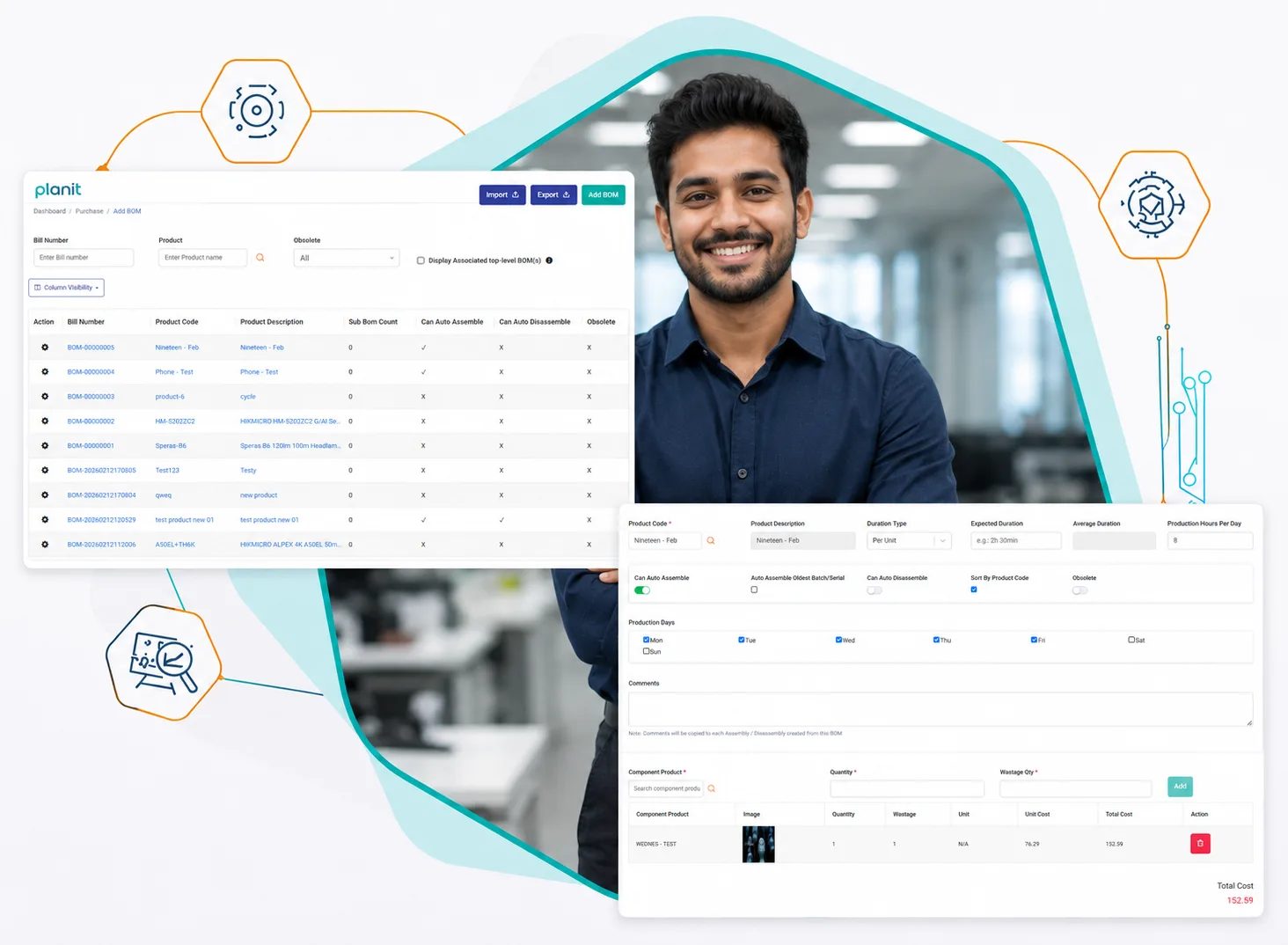
Food manufacturers operate in an environment where small inefficiencies can quickly become expensive. From perishable raw materials and changing demand to production delays and quality requirements, every stage needs careful coordination. When inventory, purchasing, production, and sales data are managed separately, businesses may struggle to identify where materials are being lost or where processes can be improved. This is where Food Manufacturing ERP Software can provide a more connected and practical approach to daily operations.
According to the Food and Agriculture Organization (FAO), an estimated 13.3% of food was lost globally across the supply chain from farm through processing and wholesale in 2023. Fruits and vegetables experienced even higher losses, estimated at 25.4%. These figures highlight why food manufacturers need better visibility into inventory, production, and material usage.
Improve Raw Material and Inventory Control
Food manufacturing depends heavily on accurate inventory management. Ingredients may have limited shelf lives, specific storage requirements, and batch-related characteristics. Overstocking can increase expiry risks, while understocking can interrupt production.
An ERP system can help manufacturers monitor:
- Raw material quantities in real time
- Batch and lot information
- Expiry and shelf-life details
- Material consumption during production
- Finished goods availability
- Purchase and replenishment requirements
Better visibility helps production teams make informed decisions instead of relying on spreadsheets or disconnected records.
Reduce Production Waste Through Better Planning
Production waste can occur because of inaccurate demand estimates, incorrect material quantities, production errors, or inefficient scheduling. A centralized ERP platform can connect sales demand with production planning and available inventory.
Manufacturers can use production data to determine which products should be manufactured, when production should begin, and whether sufficient ingredients are available. This helps reduce unnecessary production runs and improves the utilization of available materials.
Recipe and bill-of-material management can also help teams maintain consistent ingredient requirements. When actual consumption is compared with planned consumption, managers can identify unusual material variances and investigate the underlying causes.
Strengthen Batch Tracking and Traceability
Traceability is particularly important in food manufacturing because products often move through several stages before reaching customers. A digital system can connect raw material batches with production activities and finished products.
This creates a clearer record of where materials came from, how they were used, and which finished batches they became. In the event of a quality issue, accurate records can help businesses identify affected inventory more efficiently.
FAO recommends collecting information across different stages of the food supply chain to better understand losses and improve system efficiency.
Make Purchasing More Efficient
Purchasing too much of a perishable ingredient can increase waste, while purchasing too little can cause production interruptions. ERP software can bring purchasing and inventory information together so procurement teams can make decisions based on current stock, production requirements, supplier information, and expected demand.
This approach can help businesses maintain more balanced inventory levels while reducing unnecessary purchasing and emergency orders.
Turn Operational Data Into Better Decisions
One of the biggest advantages of an ERP system is centralized information. Instead of checking multiple spreadsheets or asking different departments for updates, managers can access information from connected business processes.
Useful performance indicators may include:
- Material usage and production variance
- Inventory turnover
- Production output
- Waste quantities
- Order fulfillment performance
- Purchasing trends
- Batch-level costs
Tracking these metrics over time can help management identify recurring inefficiencies and focus improvement efforts where they matter most.
Build a More Efficient Food Manufacturing Operation
Reducing waste is not simply about throwing away fewer materials. It requires understanding why waste happens and improving the processes responsible for it. Food Manufacturing ERP Software can connect inventory, purchasing, production, sales, and reporting into a unified workflow.
With better visibility and structured data, food manufacturers can plan production more effectively, monitor material consumption, improve traceability, and make more informed operational decisions. These improvements can support efficiency while helping businesses respond more confidently to changing customer demand.
Choose PlanIT for Smarter Manufacturing Management
If your food manufacturing business is still depending on disconnected spreadsheets and manual processes, it may be time to consider a more integrated approach. PlanIT can help businesses streamline inventory and manufacturing operations with technology designed to improve visibility, control, and efficiency.
For more information about Food Manufacturing ERP Software, connect with PlanIT:
- Mobile: +91-9958474631
- Email: sales@plan-it.pro

 Arabic
 French
 Spanish
 Portuguese
 Deutsch
 Turkish
 Dutch
Dutch
 Italiano
 Russian
 Romaian
 Portuguese (Brazil)
 Greek
Greek
 Bengali