


The Complete Guide to Commercial Hydroseeding: Timeline, Costs, and ROI for Developers
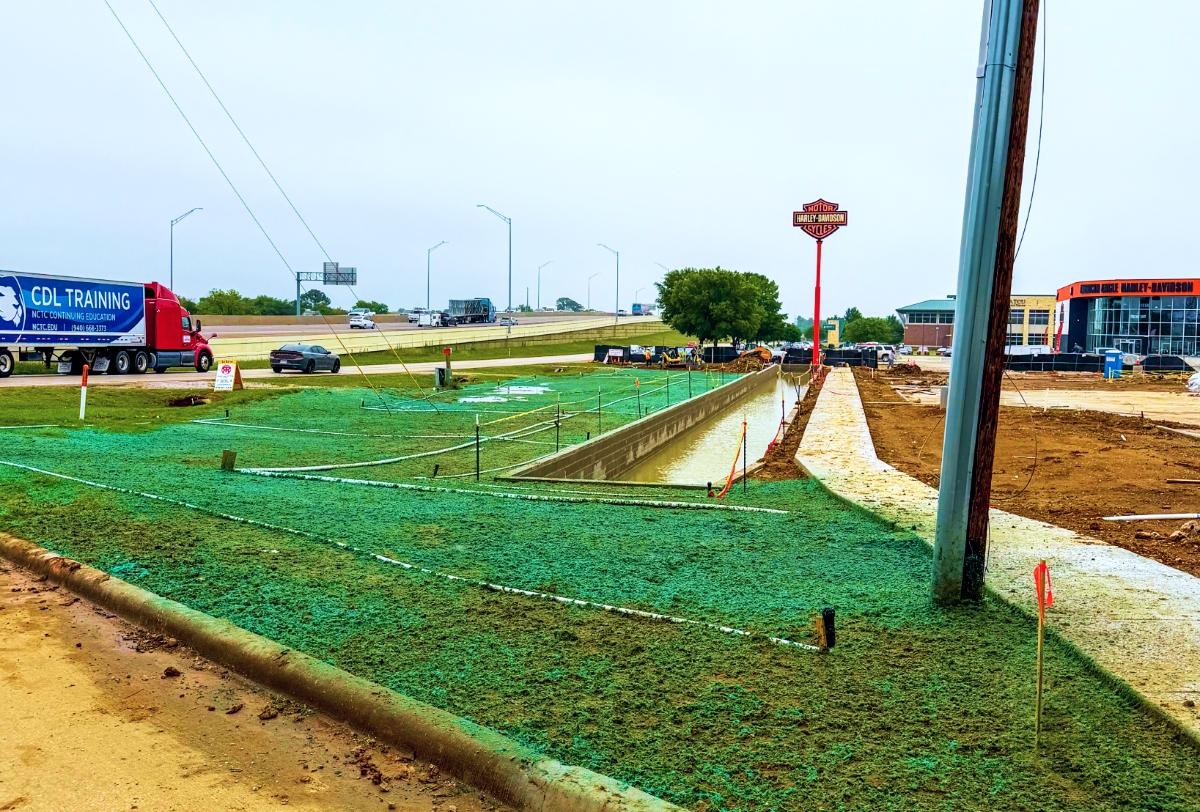
For developers managing large construction sites, commercial landscaping is an important part of completing a project successfully. Bare soil can create erosion problems, unattractive surroundings, drainage concerns, and additional maintenance work if vegetation is not established properly. Hydroseeding provides a practical method for covering extensive areas with grass seed, mulch, fertilizer, water, and other materials in a single application. Compared with manually spreading seed or installing sod, the process can be efficient for large properties. Understanding the timeline, costs, maintenance requirements, and potential return on investment helps developers make better decisions.
The method can cover difficult terrain while reducing some of the labor associated with traditional sod installation. Commercial hydroseeding services are commonly considered for new residential developments, business parks, industrial properties, road projects, public spaces, sports facilities, and large landscape renovations. However, successful hydroseeding is not simply a matter of spraying seed onto bare ground. Soil preparation, grass selection, weather, irrigation, application technique, and follow-up care all influence the final result. Developers should therefore evaluate the entire project rather than focusing only on the initial installation price.
What Is Commercial Hydroseeding and How Does It Work?
Hydroseeding is a mechanical grass-establishment technique in which seed is combined with water and commonly with mulch, fertilizer, and soil amendments before being sprayed across prepared ground. The mixture creates an even application over large areas and can help maintain moisture around the seed during early development. Once applied, the seed begins germinating under suitable conditions, eventually developing roots into the prepared soil. The process is especially useful when a project requires vegetation across expansive or irregular surfaces. Proper preparation before application is essential because even the best hydroseeding mixture cannot compensate for severely unsuitable soil.
A commercial application typically begins with site assessment and preparation. Depending on site conditions, this may involve grading, removing construction debris, improving drainage, loosening compacted soil, adding amendments, and creating a suitable seedbed. The contractor then selects grass species according to climate, sunlight, soil conditions, intended traffic, and maintenance expectations. After the slurry is applied, irrigation and monitoring become important during germination. A carefully planned process can help establish a uniform stand of turf while supporting erosion management and reducing unnecessary rework.
Commercial Hydroseeding Timeline: What Developers Should Expect
The timeline for hydroseeding varies considerably because grass seed does not establish at exactly the same rate under every condition. Temperature, moisture, seed variety, soil quality, sunlight, and seasonal timing all affect germination. Some grasses may begin showing visible growth relatively quickly, while others require more time before producing substantial coverage. Developers should therefore avoid scheduling major project milestones around unrealistic assumptions about instant turf establishment. A professional contractor can provide a more useful timeline after evaluating the specific site and selected seed mixture.
The first stage is usually site preparation, followed by slurry application and initial irrigation. During the early period, maintaining consistent moisture is critical because newly seeded areas are vulnerable to drying. As seedlings become established, irrigation frequency can gradually change according to weather and turf requirements. Mowing generally begins only after the grass reaches an appropriate height and has developed enough strength to tolerate cutting. Full visual establishment can take considerably longer than the first signs of germination, particularly when weather conditions are unfavorable.
Understanding the Cost of Commercial Hydroseeding
Project costs depend on several variables, so there is no single price that applies to every commercial hydroseeding job. The size of the property is one of the most important factors, but developers must also consider soil preparation, terrain, seed selection, mulch type, fertilizer, equipment access, irrigation, labor, and post-installation care. A large open site may be relatively straightforward, while a smaller property with steep slopes or heavily compacted soil may require more preparation. Contractors should provide detailed estimates based on actual site conditions.
Hydroseeding can offer cost advantages over sod when large areas need to be covered. Sod requires purchasing mature turf, transporting it to the site, unloading it, and installing individual sections. Those materials and labor requirements can make a major difference when a development contains many acres of landscaping. Hydroseeding uses seed rather than mature turf, which can reduce initial material expenses. Developers should still compare complete project costs, including soil preparation, irrigation, maintenance, and the financial impact of the time required for grass establishment.
Factors That Influence the Project Budget
Soil preparation can represent a significant portion of the total investment when construction activities have left the ground compacted, uneven, or deficient in organic material. Heavy equipment can compress soil and make it difficult for grass roots to develop, meaning additional preparation may be necessary before hydroseeding begins. Drainage problems can also increase costs because standing water may interfere with germination and root development. Addressing these conditions before application is often more economical than trying to correct failed turf later. A realistic budget should therefore include a contingency for site-specific preparation.
Seed selection is another important cost consideration. Developers may choose different grass varieties based on regional climate, shade, drought tolerance, appearance, traffic, and maintenance requirements. A commercial property that experiences heavy foot traffic may require a different mixture than a roadside slope or decorative landscape area. Mulch and fertilizer formulations can also vary depending on the goals of the project. Working with an experienced contractor can help prevent the common mistake of selecting materials based solely on their lowest upfront price.
ROI: How Hydroseeding Can Benefit Developers
Return on investment from hydroseeding is not limited to the price paid for installation. Establishing vegetation can improve the appearance of a development, reduce exposed soil, support erosion management, and create a more finished environment for tenants, customers, residents, or visitors. Attractive landscaping can contribute to the overall presentation of a property, which may be particularly valuable during leasing, sales, inspections, or project completion. Reducing soil movement can also help minimize certain cleanup and maintenance concerns associated with exposed ground.
The financial benefits become more meaningful when developers evaluate the entire lifecycle of the landscape. A suitable seed mixture combined with good soil preparation can create turf that adapts to local growing conditions and develops an extensive root system. Healthy turf may require less corrective work than poorly established vegetation, although all landscapes still require appropriate irrigation, mowing, fertilization, and seasonal care. The strongest ROI typically comes from combining efficient installation with realistic maintenance planning rather than treating hydroseeding as a one-time expense.
Hydroseeding vs. Sod for Development Projects
Sod remains an attractive option for projects where an immediately green appearance is a priority. Once installed, sod provides mature-looking coverage and can make a newly completed property appear finished very quickly. This can be valuable for developments facing tight marketing or opening schedules. However, sod typically involves greater material and installation expenses, and it still requires careful watering while roots establish themselves in the underlying soil. Developers need to balance the value of immediate appearance against the higher initial investment.
Hydroseeding generally provides greater flexibility for expansive areas and irregular terrain. It can be applied efficiently across large surfaces without the need to manually position thousands of individual turf pieces. The trade-off is that the site needs time and proper care before achieving a fully established appearance. For developers with a longer landscaping window, the potential savings can make hydroseeding an attractive choice. The right decision should be based on project deadlines, acreage, site conditions, budget, and long-term landscape objectives.
Choosing the Right Hydroseeding Contractor
Finding the right contractor is one of the most important steps in protecting a commercial landscaping investment. Developers researching residential hydroseeding near me may encounter providers who primarily serve homeowners, but large commercial projects often require different equipment, staffing, scheduling, and technical experience. Ask contractors whether they have completed projects comparable in size and complexity to yours. References, project photographs, insurance information, clear proposals, and an explanation of their preparation process can all help evaluate professionalism.
A qualified contractor should also be able to discuss seed selection, soil preparation, application timing, irrigation requirements, expected establishment periods, and maintenance recommendations. Be cautious of estimates that provide a low price without explaining what is included. A cheaper proposal may exclude grading, soil amendments, irrigation, follow-up inspections, or other necessary services. Developers should compare proposals based on total value rather than simply choosing the lowest number. Clear communication before work begins can prevent costly misunderstandings later.
Planning a Successful Commercial Hydroseeding Project
Timing should be considered early in the development schedule because grass establishment depends heavily on environmental conditions. Applying seed during a suitable growing period can improve germination and reduce unnecessary irrigation demands. Developers should coordinate hydroseeding with grading, drainage installation, construction traffic, irrigation setup, and other site activities. Applying seed too early can result in damage from ongoing construction, while waiting too long may expose soil to avoidable erosion or unfavorable weather. Proper scheduling can therefore improve both performance and project efficiency.
Once hydroseeding is completed, the contractor and property team should follow a clear maintenance plan. Watering must provide adequate moisture without creating runoff or saturated conditions. Newly established areas should be protected from unnecessary traffic until the turf is sufficiently developed. Mowing, fertilization, weed management, and irrigation adjustments should be introduced according to the grass species and growing conditions. Regular monitoring allows problems to be addressed early instead of waiting until large sections of turf have failed.
Final Considerations for Developers
Commercial hydroseeding can be a cost-effective strategy for developers who need to establish vegetation across large areas without the substantial upfront expense associated with installing mature sod. Its success depends on much more than the application itself, including soil preparation, appropriate seed selection, weather conditions, irrigation, and continued maintenance. Developers who understand these factors can create realistic budgets and project timelines. They can also compare hydroseeding with alternative methods according to the property's actual requirements.
The best investment is rarely determined by installation price alone. Developers should consider the expected lifespan of the landscape, maintenance requirements, erosion concerns, project deadlines, property appearance, and potential operational savings. Working with an experienced contractor and requesting a site-specific proposal can provide the information needed to make an informed decision. When properly planned and maintained, hydroseeding can provide an efficient path from construction-disturbed soil to healthy, attractive, and functional commercial turf.

 English
 Arabic
 French
 Spanish
 Portuguese
 Deutsch
 Dutch
Dutch
 Italiano
 Russian
 Romaian
 Portuguese (Brazil)
 Greek
Greek
 Bengali