


Mounjaro Injection in Jeddah: A Guide to Weight Loss and Metabolic Health
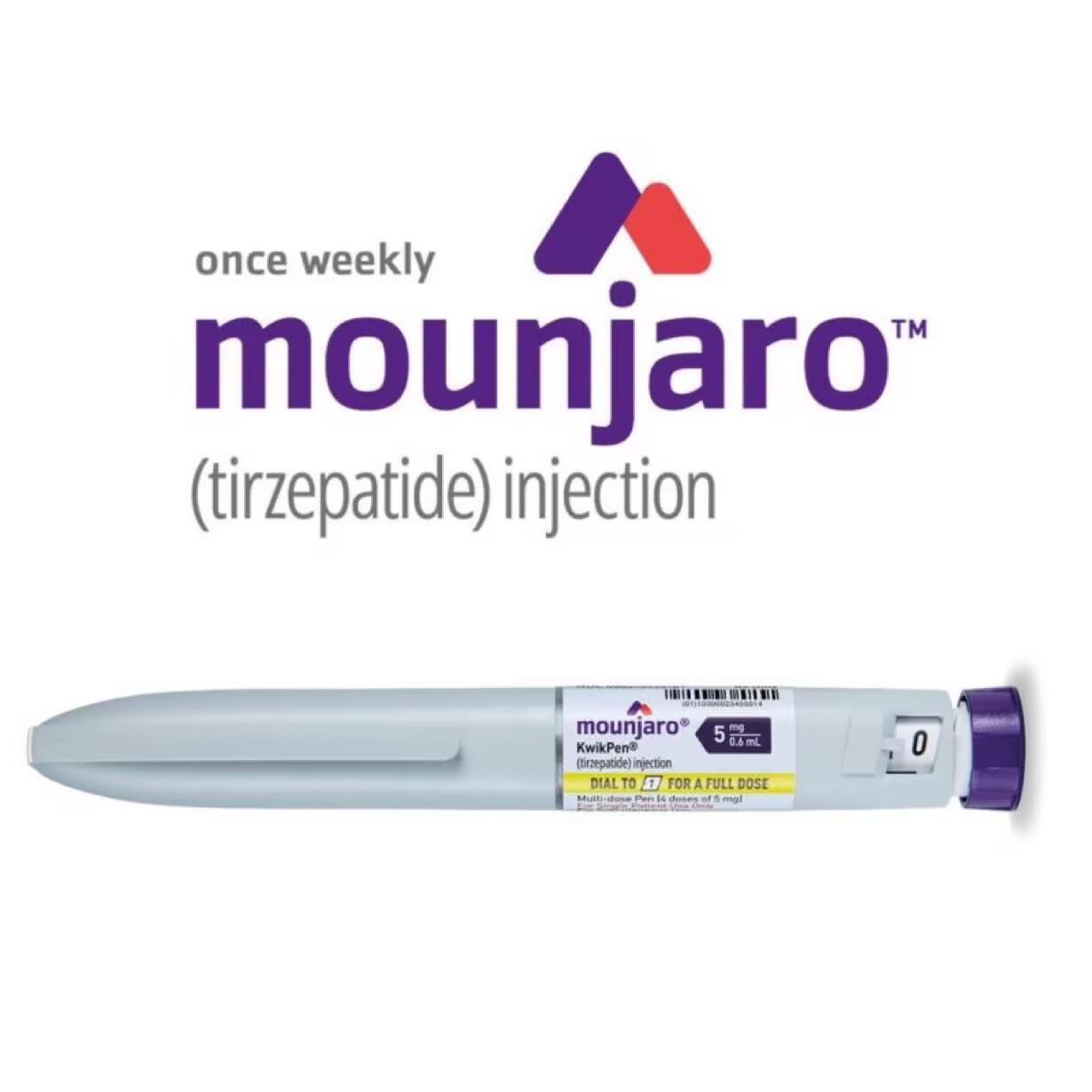
Mounjaro Injection in Jeddah: A Guide to Weight Loss and Metabolic Health
Mounjaro injection in Jeddah is receiving growing attention from individuals interested in medically supervised weight management and improved metabolic health. Mounjaro contains tirzepatide, a prescription medication that works on GIP and GLP-1 receptors. These hormone pathways have important roles in blood sugar regulation, insulin secretion, appetite, and digestion.
For appropriate patients, tirzepatide may help improve blood glucose control and support significant weight reduction. However, its use should always be based on an individual medical assessment. Mounjaro is not a general-purpose weight-loss product and should not be used without professional guidance.
What Makes Mounjaro Different?
Mounjaro contains tirzepatide, which acts on two hormone receptor pathways rather than primarily targeting only one.
GIP and GLP-1 are naturally occurring hormones that are released after eating. They help regulate how the body responds to food and influence insulin secretion and appetite.
Tirzepatide can enhance glucose-dependent insulin secretion and reduce inappropriate glucagon activity. It can also slow gastric emptying and influence appetite signals.
The combination of these effects can help some patients consume fewer calories while also improving glucose regulation.
Mounjaro and Weight Management
Weight management can be challenging because the body has powerful mechanisms that influence hunger and energy balance.
When a person loses weight through dieting, appetite may increase as the body attempts to restore energy stores. This can make maintaining weight loss difficult.
Tirzepatide may help address appetite-related challenges by increasing feelings of fullness and reducing hunger in many patients.
Clinical research has demonstrated substantial weight loss with tirzepatide in appropriate populations. Nevertheless, individual results vary and depend on many factors.
Initial Consultation
Before beginning Mounjaro, a healthcare professional should determine whether the medication is appropriate.
The consultation may involve reviewing:
-
Medical history
-
Current medications
-
Existing health conditions
-
Weight and body mass index
-
Blood glucose status
-
Previous weight-management efforts
-
Potential treatment risks
This information helps establish whether Mounjaro is suitable and what treatment approach may be safest.
Patients should be honest about their health history because seemingly minor details can affect medication decisions.
Treatment Dosage
Mounjaro treatment generally begins with a lower dose and may be increased gradually according to the prescribed treatment plan.
Dose escalation allows the body to adapt to tirzepatide and may improve tolerability.
Patients should never increase the dose simply because they want faster weight loss.
Higher doses do not mean that everyone will lose weight faster, and inappropriate dose changes may increase side effects.
Any concerns about treatment response should be discussed with the prescribing healthcare professional.
Injection Administration
Mounjaro is delivered by subcutaneous injection.
The medication may be injected into areas such as the abdomen, thigh, or upper arm according to product instructions.
Patients using the medication themselves should learn the correct injection technique and understand how to store and dispose of the medication and injection materials safely.
Injection sites can generally be rotated to avoid repeatedly injecting the same area.
Appetite Changes
Many patients are interested in Mounjaro because of its potential effects on appetite.
Tirzepatide may reduce hunger and increase satiety. Some people therefore find that they naturally eat smaller portions and snack less frequently.
These effects can support a calorie deficit, which is necessary for weight loss.
However, appetite reduction should not lead to inadequate nutrition. Even when eating less, patients need sufficient protein, fiber, vitamins, minerals, and other nutrients.
Eating Habits During Treatment
Mounjaro treatment can be supported by balanced eating habits.
Patients may focus on nutrient-dense foods, including vegetables, fruits, whole grains, legumes, lean protein, and suitable sources of healthy fats.
Because tirzepatide can slow gastric emptying, very large meals may be uncomfortable for some people.
Eating slowly and paying attention to fullness may help patients recognize when they have eaten enough.
Individual dietary requirements vary, so professional nutritional guidance can be valuable.
Exercise and Muscle Maintenance
Weight loss can involve both fat and lean tissue. Maintaining muscle is therefore an important consideration.
Resistance exercises such as appropriately supervised strength training can support muscle preservation. Walking, cycling, swimming, and other cardiovascular activities can also contribute to overall health.
The exercise program should match the individual's fitness level and medical circumstances.
Regular movement can also support insulin sensitivity and cardiovascular health.
Potential Side Effects
The most common side effects associated with Mounjaro involve the digestive system.
These may include:
-
Nausea
-
Vomiting
-
Diarrhea
-
Constipation
-
Abdominal discomfort
-
Indigestion
-
Reduced appetite
Symptoms may occur more frequently when starting treatment or increasing the dose.
Patients should inform their healthcare professional if symptoms are persistent, severe, or interfere significantly with daily activities.
Importance of Hydration
Maintaining adequate hydration is important, particularly when gastrointestinal symptoms occur.
Vomiting and diarrhea can cause fluid loss, which may lead to dehydration.
Patients should pay attention to signs of significant dehydration and seek medical advice when symptoms become concerning.
Appropriate fluid intake should be maintained according to individual medical needs.
Monitoring Health During Treatment
Mounjaro treatment should involve appropriate follow-up.
For diabetes management, healthcare professionals may monitor blood glucose and other metabolic measurements.
For weight management, they may evaluate body weight, appetite, waist measurements, lifestyle habits, and general health.
Monitoring allows treatment to be adjusted when necessary.
It also gives patients an opportunity to discuss side effects, nutritional concerns, or difficulties following the treatment plan.
Mounjaro Is Not a Quick Fix
Although Mounjaro can support substantial weight loss in some patients, it should not be viewed as an instant solution.
Healthy weight management involves long-term habits.
Medication may help reduce appetite and support weight reduction, but maintaining progress also involves appropriate nutrition, physical activity, sleep, and other lifestyle factors.
Patients should establish realistic expectations and focus on gradual improvements in health.
Who Should Avoid Self-Prescribing?
Self-prescribing Mounjaro is not recommended.
A medication that is suitable for one individual may be unsuitable for another because of differences in medical history, medications, and health conditions.
People should not use another person's Mounjaro, purchase an unknown injectable product, or alter the dosage without professional advice.
Prescription medications require individualized evaluation.
Safe Treatment in Jeddah
Anyone considering Mounjaro injection in Jeddah should prioritize medically supervised care.
The medication should be obtained through legitimate pharmaceutical channels and stored according to its specific requirements.
Patients should be cautious about products sold through unofficial sources because there may be concerns about authenticity, storage conditions, expiration, or incorrect labeling.
Proper medical supervision also ensures that side effects and treatment progress can be monitored.
Long-Term Approach
A successful weight-management plan should focus on long-term health rather than short-term changes.
Patients may benefit from setting realistic goals and monitoring progress over several months.
As appetite and body weight change, nutritional needs and physical activity may also need to be reassessed.
Ongoing professional support can help patients maintain healthier habits and address challenges as they arise.
Conclusion
Mounjaro injection in Jeddah can provide a medically supervised option for eligible individuals seeking support with type 2 diabetes management or weight-related treatment. Its active ingredient, tirzepatide, acts on GIP and GLP-1 receptors and can influence blood glucose, insulin response, appetite, and digestion.
The medication should be used only according to professional medical guidance. Appropriate dose escalation, safe injection practices, regular monitoring, balanced nutrition, physical activity, and realistic expectations are all important components of responsible treatment.
For anyone considering Mounjaro, the first step should be an individualized medical evaluation to determine whether the treatment is appropriate and how it can safely fit into a broader health-management plan.

 Arabic
 French
 Spanish
 Portuguese
 Deutsch
 Turkish
 Dutch
Dutch
 Italiano
 Russian
 Romaian
 Portuguese (Brazil)
 Greek
Greek
 Bengali