


Best Applique Digitizing Services in USA: A Complete Guide
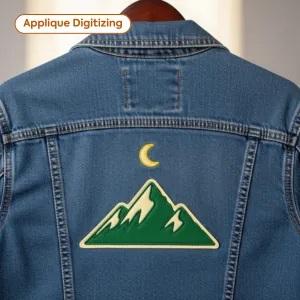
Applique embroidery is a practical and attractive technique used for apparel, uniforms, sportswear, caps, bags, patches, and promotional products. Instead of creating an entire design with embroidery stitches, applique combines fabric pieces with carefully planned embroidery. This approach can reduce stitch counts while creating detailed and professional-looking designs.
However, the quality of an applique embroidery project depends greatly on the digitized embroidery file. A poorly prepared file can result in uneven borders, fabric movement, unnecessary stitches, or registration problems. For this reason, choosing best applique digitizing services in USA is an important decision for embroidery businesses, apparel companies, designers, and individual customers.
What Is Applique Digitizing?
Applique digitizing is the process of converting artwork into an embroidery file specifically prepared for applique production. The process involves much more than simply converting an image into stitches. A professional digitizer plans the sequence of embroidery operations so the fabric can be positioned, secured, trimmed, and finished correctly.
A typical applique design may include a placement stitch, fabric positioning, cutting guidance, tack down stitches, and a final satin or decorative border. Each element needs to be positioned accurately to achieve a clean result.
The digitizer also considers the size of the design, type of fabric, thread selection, stitch density, underlay, embroidery machine, and intended garment. These factors can affect how the final design looks and performs after washing and regular use.
Why Professional Applique Digitizing Is Important
Professional digitizing can make the embroidery process more predictable and efficient. When a design is properly prepared, the embroidery machine receives clear instructions about stitch placement, sequencing, density, and borders.
Poor digitizing may create several production problems. Excessive stitch density can make the embroidered area stiff or bulky. Incorrect sequencing can cause registration issues. Weak borders may allow applique fabric edges to become visible, while excessive stitching can increase production time.
A properly digitized file can help maintain consistent quality across multiple garments. This is particularly important for businesses producing uniforms, team apparel, corporate clothing, retail merchandise, and customized products in larger quantities.
What Makes a Good Applique Digitizing Service?
The best applique digitizing service should have experience with different types of artwork and embroidery applications. A service provider should understand how applique behaves on cotton, denim, polyester, fleece, performance fabrics, and other commonly used materials.
Attention to Design Details
A professional digitizer should examine the original artwork before preparing the file. Small details may need adjustment because not every visual element can be reproduced effectively through applique and embroidery.
Design size is also important. A design created for a large jacket may require different settings when reduced for a shirt or cap. Professional digitizing takes these changes into account instead of relying on identical settings for every application.
Proper Stitch Planning
Stitch direction, density, underlay, and sequencing influence both appearance and durability. Good stitch planning helps reduce unnecessary thread changes and prevents excessive stress on the fabric.
Applique also requires accurate placement and tack down stitches. These elements help keep the fabric positioned correctly while the embroidery machine completes the design.
Machine Compatibility
Embroidery machines use different file formats and operating requirements. A reliable service should be able to provide the appropriate file format for the customer's machine.
Before ordering, customers should confirm the required format, design size, thread requirements, and any machine specific instructions. Providing these details in advance can reduce delays and prevent compatibility problems.
How to Choose the Best Applique Digitizing Service in the USA
Choosing a digitizing provider should involve more than comparing prices. Start by reviewing the provider's applique portfolio. Look for examples that demonstrate clean borders, accurate fabric placement, balanced stitch density, and consistent finishing.
Customer reviews can also provide useful information about communication, turnaround times, revisions, and file quality. However, reviews should be considered alongside actual design samples and service information.
Check Turnaround Time
Turnaround time matters when embroidery files are needed for production. A reliable provider should clearly explain standard delivery times and whether urgent orders are available.
Fast delivery is useful, but accuracy should remain a priority. Receiving a file quickly does not provide value if the design requires repeated corrections before production.
Ask About Revisions
Even a carefully prepared design may require adjustments after a test sew out. Ask whether revisions are included and what types of changes are covered.
A revision policy can be particularly helpful when the customer wants changes to stitch density, borders, sizing, or other production details.
Consider Overall Value
The lowest price is not always the best option. A low cost file that produces poor embroidery can lead to wasted fabric, thread, machine time, and labor.
Instead, consider the complete service, including digitizing quality, communication, revisions, file compatibility, turnaround time, and technical support.
Common Uses of Applique Digitizing
Applique digitizing is suitable for many embroidery applications. Businesses commonly use it for company logos, school apparel, sports uniforms, children's clothing, jackets, hats, bags, promotional merchandise, and fashion garments.
It is also useful when a design contains large areas of color or fabric. Using applique in these situations can reduce the number of embroidery stitches required while still producing a detailed finished design.
How to Prepare Artwork for Applique Digitizing
Customers can make the digitizing process easier by providing clear and high quality artwork. Vector files are often useful, although many professional digitizers can work with common image formats.
When submitting artwork, provide the desired finished size, garment type, fabric information, preferred thread colors, and embroidery machine format when known. If the design will be used on multiple garment types, mention this before digitizing begins.
Clear instructions help the digitizer make appropriate technical decisions and can reduce the need for revisions.
Final Thoughts
The best applique digitizing services in the USA combine technical knowledge, careful stitch planning, reliable communication, and an understanding of real embroidery production. Quality digitizing is essential because the embroidery file directly influences how efficiently a machine can reproduce the design.
When comparing providers, evaluate applique experience, portfolio quality, machine compatibility, turnaround time, revision policies, and overall value. A properly prepared applique file can reduce production issues, improve consistency, and help create clean embroidery across different garments and materials.
For businesses and individuals ordering applique digitizing, the goal should not simply be to find the cheapest service. The better approach is to choose a provider capable of producing a technically accurate file that matches the intended fabric, garment, design size, and embroidery equipment.
Frequently Asked Questions
What is applique digitizing used for?
Applique digitizing is used to prepare artwork for embroidery designs that combine fabric pieces with decorative stitches. It is commonly used for apparel, uniforms, sportswear, bags, caps, patches, and promotional products.
How long does applique digitizing take?
Turnaround time varies according to design complexity, size, required file format, and the service provider's workload. Simple designs may require less time, while detailed artwork can take longer because it requires more planning and testing.
Is applique digitizing suitable for all fabrics?
Applique can be used with many fabrics, but the appropriate approach depends on the fabric's weight, stretch, texture, and stability. A professional digitizer can adjust stitch density, underlay, and finishing techniques according to the material.
What should I provide to an applique digitizing service?
Provide clear artwork, the desired design size, garment or product information, fabric type, preferred colors, and embroidery machine format when available. Additional production instructions can also help the digitizer prepare a more suitable file.

 Arabic
 French
 Spanish
 Portuguese
 Deutsch
 Turkish
 Dutch
Dutch
 Italiano
 Russian
 Romaian
 Portuguese (Brazil)
 Greek
Greek
 Bengali