


Why Is Radon Testing Ottawa Important for Your Home?
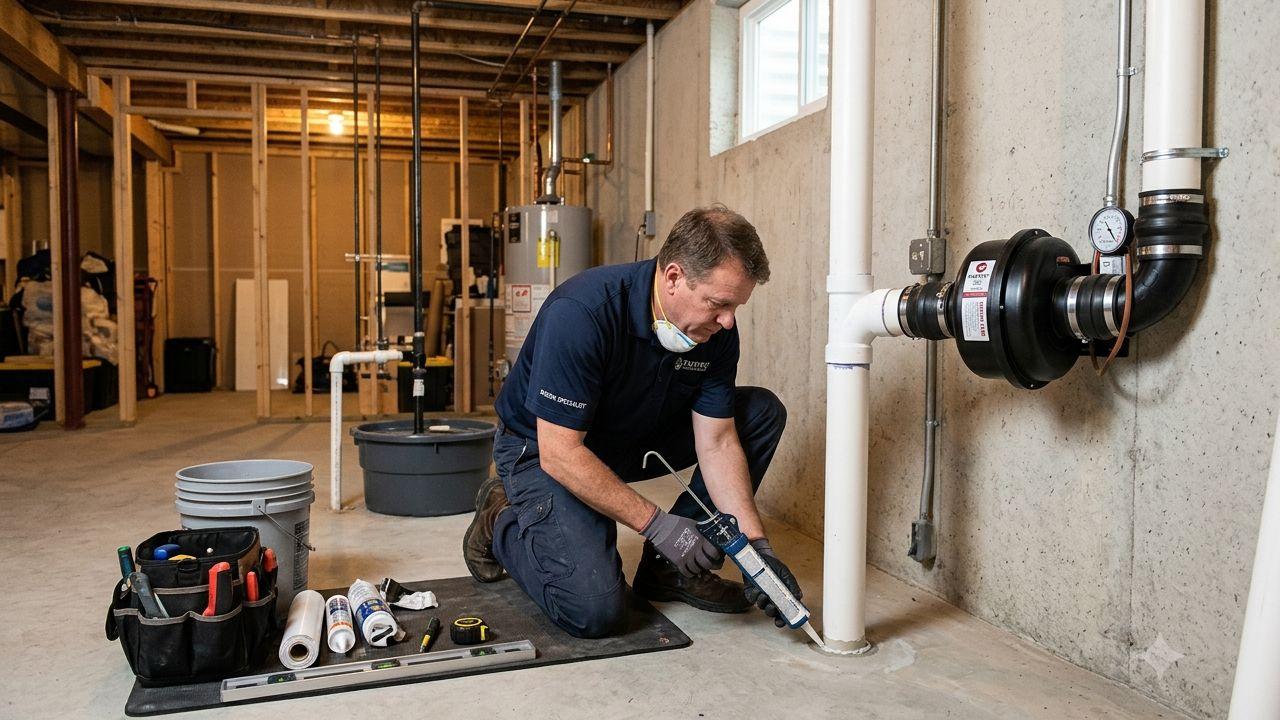
Radon is a naturally occurring radioactive gas that can enter buildings through cracks, gaps, drains, and other openings connected to the ground. Because radon is colorless, odorless, and tasteless, it cannot be detected without proper testing. For homeowners and property owners, radon testing Ottawa is an important step toward understanding indoor air quality and making informed decisions about their properties.
Ottawa homes can have different levels of radon depending on soil conditions, building construction, ventilation, and the way a property interacts with the ground beneath it. Testing provides measurable information about the concentration of radon inside a building. Whether you are purchasing a home, renovating a basement, or simply checking your indoor environment, professional testing can provide valuable insight.
What Is Radon and Where Does It Come From?
Radon is produced naturally when uranium in soil and rock breaks down. The resulting gas can move through the ground and enter buildings, particularly those with basements, crawl spaces, or foundations in direct contact with soil.
Once inside a building, radon can accumulate, especially when ventilation is limited. Since there is no smell, color, or visible warning sign, occupants may be unaware of elevated levels.
The only reliable way to determine whether a property has elevated radon is to conduct a properly planned radon test.
Why Should Ottawa Homeowners Consider Radon Testing?
One of the main reasons to consider radon testing Ottawa is that radon levels can vary significantly from one property to another. Two houses located close to each other may have very different indoor radon concentrations because of differences in foundations, construction materials, soil conditions, and ventilation.
Testing can be particularly useful in several situations:
- When buying or selling a home
- After completing basement renovations
- When converting a basement into a living space
- When moving into an older property
- After making significant changes to ventilation
- As part of a general indoor air quality assessment
Testing does not require homeowners to assume that a property has a radon problem. Instead, it provides information that can help them make evidence-based decisions.
How Does Radon Enter a Home?
Radon can enter through various openings and pathways around a building's foundation. Common entry points include foundation cracks, construction joints, gaps around pipes, floor drains, sump pits, and crawl spaces.
The pressure inside a building can also contribute to radon entry. When indoor air pressure is lower than the pressure in the surrounding soil, the building can draw soil gases inward.
This is why sealing one visible crack may not always address the overall issue. Radon can use multiple pathways to enter a property, making proper testing an important first step.
What Does a Radon Test Measure?
A radon test measures the concentration of radon in indoor air over a specific period. Testing can be performed using different types of devices and methods.
Short-term testing can provide results over a relatively brief period, while long-term testing measures radon exposure over a longer timeframe. Long-term testing can provide a broader picture of average radon levels because radon concentrations can fluctuate from day to day and season to season.
The appropriate testing method depends on the purpose of the test, the property, and the conditions under which the test is being conducted.
Where Should a Radon Test Be Conducted?
The location of a radon test matters. Testing is generally most useful in the lowest level of a home that is regularly occupied or could reasonably be used as living space.
For example, if a finished basement contains a bedroom, office, or family room, testing that level may be appropriate. A test location should also be selected away from excessive drafts, direct sunlight, high humidity, and other conditions that could interfere with the testing device.
Following the testing instructions carefully helps ensure that the results are meaningful.
What Factors Can Affect Radon Levels?
Radon concentrations can change for several reasons. Weather conditions, ventilation, building pressure, heating systems, and how frequently doors and windows are opened can all influence indoor radon levels.
Seasonal differences can also matter. During colder months, homes are often closed more tightly, and differences between indoor and outdoor temperatures can affect air movement.
Because of these variations, a single measurement represents conditions during the testing period. For a better understanding of long-term exposure, homeowners may consider longer testing periods when appropriate.
Radon Testing When Buying a Home
Homebuyers should consider including radon testing as part of their property evaluation, particularly when the home has a basement or another occupied area below ground level.
A home inspection can identify structural or mechanical issues, but radon requires a separate measurement because it cannot be identified through a visual inspection.
Testing before completing a purchase can give buyers useful information about the property. If elevated radon is identified, buyers can discuss appropriate next steps with qualified professionals before finalizing their plans.
What Happens If a Test Shows Elevated Radon?
An elevated test result does not mean that a homeowner should panic. Instead, it indicates that further evaluation and appropriate action may be necessary.
Depending on the property and test results, a qualified radon professional may assess the building, identify potential entry routes, and recommend a suitable radon reduction system.
Radon mitigation commonly focuses on reducing the amount of soil gas entering the building and safely directing it outside. The specific approach depends on foundation type, building design, soil conditions, and other property characteristics.
After mitigation work is completed, follow-up testing can help determine whether radon levels have been reduced effectively.
How Can Homeowners Prepare for Radon Testing?
Proper preparation can help produce reliable results. Homeowners should follow the instructions provided with the testing device or professional testing service.
During the testing period, occupants may need to maintain normal living conditions while avoiding unnecessary actions that could significantly alter ventilation.
Windows and exterior doors should generally not be left open unnecessarily during a test unless normal household use requires it. Testing devices should also remain undisturbed and positioned according to the test instructions.
If you are using a professional service, ask about the testing procedure, duration, device placement, and how results will be reported.
Why Professional Radon Testing Can Be Valuable
DIY testing options can provide useful information when used correctly, but professional testing may be beneficial for homeowners who want assistance with test placement, procedures, documentation, and interpretation.
A knowledgeable professional can also help explain what the results mean in the context of the property and whether additional testing may be appropriate.
The goal of radon testing Ottawa is not simply to obtain a number. It is to obtain useful information that can help property owners understand their indoor environment and determine what steps, if any, should be taken.
Learn More About Radon Services in Ottawa
For homeowners looking for additional information about radon testing, mitigation, and related services, Ottawa Radon Pro is a resource worth exploring. Visit ottawaradon.pro to learn more about available radon services and ways to address radon concerns in Ottawa properties. Professional guidance can help homeowners better understand testing results and determine appropriate next steps for their specific property.
Conclusion
Radon testing is an important part of understanding indoor environmental conditions. Since radon cannot be seen, smelled, or tasted, testing is the most practical way to determine whether it is present at elevated concentrations.
For homeowners, buyers, landlords, and property managers, radon testing Ottawa can provide valuable information about a building's indoor air. Testing can be especially worthwhile when purchasing a property, finishing a basement, renovating, or making significant changes to a building.
By testing properly, understanding the results, and seeking qualified guidance when necessary, Ottawa property owners can make informed decisions about radon and their indoor environment.

 English
 Arabic
 French
 Spanish
 Portuguese
 Deutsch
 Dutch
Dutch
 Italiano
 Russian
 Romaian
 Portuguese (Brazil)
 Greek
Greek
 Bengali