


Manuka Honey
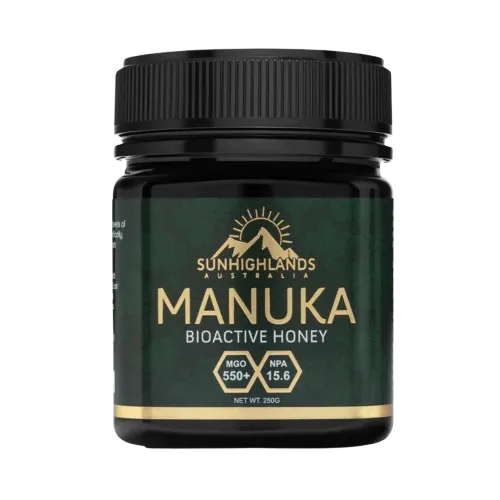
Manuka honey is one of the most valuable and sought-after types of honey in the world. Unlike regular honey, Manuka honey is known for its exceptional antibacterial, anti-inflammatory, and healing properties. It is produced by bees that collect nectar from the flowers of the Manuka bush (Leptospermum scoparium), a plant native to New Zealand and parts of Australia. For centuries, the indigenous Māori people have used the Manuka plant for medicinal purposes, long before modern science confirmed its remarkable health benefits.
Today, Manuka honey is widely used as a natural remedy for wounds, sore throats, digestive issues, skin problems, and overall immune support. Due to its unique composition and therapeutic qualities, it is often referred to as a "superfood." However, not all Manuka honey is the same. The quality and effectiveness depend on its concentration of beneficial compounds, which are measured through grading systems such as UMF (Unique Manuka Factor) and MGO (Methylglyoxal).
This article explores everything you need to know about Manuka honey, including its production, nutritional value, health benefits, uses, grading system, side effects, and tips for choosing authentic products.
What Is Manuka Honey?
Manuka honey is a monofloral honey made primarily from the nectar of the Manuka tree. This evergreen shrub blooms for only a few weeks each year, making Manuka honey relatively rare and expensive compared to ordinary honey.
The key ingredient that sets Manuka honey apart is Methylglyoxal (MGO), a naturally occurring compound responsible for its strong antibacterial properties. While all honey has some antibacterial activity due to hydrogen peroxide, Manuka honey maintains its effectiveness even after hydrogen peroxide breaks down, making it far more potent.
The rich golden color, thick texture, and earthy flavor make Manuka honey unique in both taste and medicinal value.
Nutritional Value
Like other natural honeys, Manuka honey contains natural sugars, vitamins, minerals, amino acids, and antioxidants. A typical tablespoon provides:
- Calories: Approximately 60–70
- Carbohydrates: 17 grams
- Natural sugars: Around 16 grams
- Trace amounts of calcium, potassium, magnesium, and iron
- Antioxidants
- Amino acids
- Enzymes
Although Manuka honey is high in natural sugar, its bioactive compounds provide additional health benefits beyond basic nutrition.
Health Benefits of Manuka Honey
1. Powerful Antibacterial Properties
One of the most well-known benefits of Manuka honey is its ability to fight harmful bacteria. The high concentration of Methylglyoxal allows it to inhibit the growth of many bacterial species, including some that are resistant to antibiotics.
Medical-grade Manuka honey is even used in hospitals to help treat infected wounds and burns because it creates an environment that discourages bacterial growth while promoting healing.
2. Promotes Wound Healing
For centuries, honey has been used as a natural wound dressing. Manuka honey is particularly effective because it:
- Keeps wounds moist
- Reduces inflammation
- Prevents bacterial infection
- Encourages tissue regeneration
- Minimizes scarring
It has been successfully used to treat cuts, burns, ulcers, diabetic wounds, and surgical incisions.
3. Supports Digestive Health
Many people consume Manuka honey to improve digestive function. It may help reduce symptoms associated with:
- Acid reflux
- Gastritis
- Stomach ulcers
- Irritable bowel syndrome (IBS)
- Indigestion
Its antibacterial properties may also help reduce harmful bacteria in the digestive tract while supporting beneficial gut microorganisms.
4. Strengthens the Immune System
The antioxidants found in Manuka honey help protect the body against oxidative stress caused by free radicals. Regular consumption may contribute to a stronger immune system by reducing inflammation and supporting the body's natural defense mechanisms.
Although it should not replace medical treatment, adding Manuka honey to a balanced diet may help improve overall wellness.
5. Relieves Sore Throat and Cough
Manuka honey is a popular natural remedy during cold and flu season. Its thick consistency coats the throat, providing soothing relief from irritation.
Its antibacterial action may also help reduce bacteria that contribute to throat infections. Many people mix a spoonful into warm water, herbal tea, or lemon drinks to ease discomfort.
6. Improves Skin Health
Manuka honey has become a popular ingredient in skincare products due to its moisturizing and antibacterial properties. It may help treat:
- Acne
- Dry skin
- Eczema
- Minor burns
- Skin irritation
- Redness
Applying a thin layer as a face mask may improve skin hydration while reducing inflammation.
7. Rich Source of Antioxidants
Antioxidants play an important role in protecting cells from damage caused by free radicals. These compounds may reduce the risk of chronic diseases associated with aging and inflammation.
Regular intake of antioxidant-rich foods, including Manuka honey, can support long-term health when combined with a balanced lifestyle.
8. Supports Oral Health
Unlike ordinary sugary foods, Manuka honey may actually benefit oral health because of its antibacterial activity.
Research suggests it may help reduce plaque formation, improve gum health, and lower the growth of bacteria associated with gingivitis. However, proper brushing and flossing remain essential.
Understanding UMF and MGO Ratings
When buying Manuka honey, consumers often notice labels such as UMF 10+, UMF 15+, or MGO 250+.
UMF (Unique Manuka Factor)
UMF is an independent quality certification that measures several compounds responsible for Manuka honey's authenticity and effectiveness.
General guidelines include:
- UMF 5+: Everyday wellness
- UMF 10+: Moderate antibacterial activity
- UMF 15+: High medicinal quality
- UMF 20+: Premium therapeutic strength
MGO (Methylglyoxal)
MGO measures the concentration of methylglyoxal directly.
Typical ranges include:
- MGO 100+: General health
- MGO 250+: Strong antibacterial activity
- MGO 400+: High potency
- MGO 550+ and above: Premium medical-grade quality
Higher ratings generally indicate stronger antibacterial properties and higher prices.
Ways to Use Manuka Honey
There are many ways to enjoy the benefits of Manuka honey:
Eat It Directly
Many people consume one teaspoon daily to support general health and immunity.
Add to Tea
Mix Manuka honey into warm herbal tea after the water has cooled slightly to help preserve its natural enzymes.
Spread on Toast
Use it as a healthier alternative to processed sweeteners on bread, toast, or crackers.
Mix with Yogurt
Adding Manuka honey to yogurt creates a delicious breakfast rich in probiotics and antioxidants.
Smoothies
Blend it into fruit smoothies for natural sweetness and nutritional support.
Face Mask
Apply a thin layer to clean skin, leave for 15–20 minutes, then rinse with warm water.
Minor Wounds
Medical-grade Manuka honey is often applied to wounds under healthcare supervision. For serious injuries, always consult a healthcare professional.
How to Identify Authentic Manuka Honey
Because Manuka honey is expensive, counterfeit products are common. To ensure authenticity:
- Look for certified UMF or MGO labels.
- Check that it was produced and packed in New Zealand.
- Purchase from reputable brands and trusted retailers.
- Avoid unusually cheap products claiming high UMF or MGO ratings.
Authentic Manuka honey undergoes strict testing to verify its purity and quality.
Possible Side Effects
Although Manuka honey is generally safe for most adults, some people should exercise caution.
Allergic Reactions
Individuals allergic to bees or honey may experience allergic symptoms after consumption.
High Sugar Content
Despite its health benefits, Manuka honey contains significant amounts of natural sugar. People with diabetes should consult a healthcare professional before using it regularly.
Not Suitable for Infants
Honey should never be given to babies under one year of age because of the risk of infant botulism.
Weight Management
Excessive consumption can contribute to increased calorie intake, so moderation is recommended.
Manuka Honey vs. Regular Honey
While both Manuka honey and regular honey offer nutritional value, Manuka honey stands out due to its higher concentration of antibacterial compounds. Regular honey mainly relies on hydrogen peroxide for its antibacterial effects, whereas Manuka honey contains stable methylglyoxal, making it more effective for medicinal purposes.
Regular honey is generally less expensive and suitable as a natural sweetener, while Manuka honey is often chosen for its therapeutic applications and premium quality.
Scientific Research
Numerous scientific studies have investigated the medicinal properties of Manuka honey. Research has shown promising results in wound care, bacterial inhibition, oral health, and inflammation reduction. Hospitals in several countries use medical-grade Manuka honey dressings for chronic wounds and burns.
Although more clinical research is still needed in certain areas, current evidence supports many of its traditional uses.

 English
 Arabic
 French
 Spanish
 Portuguese
 Deutsch
 Turkish
 Dutch
Dutch
 Italiano
 Russian
 Romaian
 Greek
Greek
 Bengali